Altcoin Analysis

How Big Can the Stablecoin Pie Really Get by 2030?
2026-01-10 13:06

How Big Can the Stablecoin Pie Really Get by 2030?

Stablecoin payments reportedly reached $2.9T in 2025, and forecasts cited by Bloomberg suggest a path toward $56.6T by 2030. The real question isn’t whether stablecoins grow—it’s which “jobs” they replace, and what must be true for the internet’s dollar layer to scale safely.

Read more →
Whales Accumulate, Retail Sells: Why This Pattern Matters—and Why It’s Not a “Guaranteed Bottom”
2026-01-06 18:00

Whales Accumulate, Retail Sells: Why This Pattern Matters—and Why It’s Not a “Guaranteed Bottom”

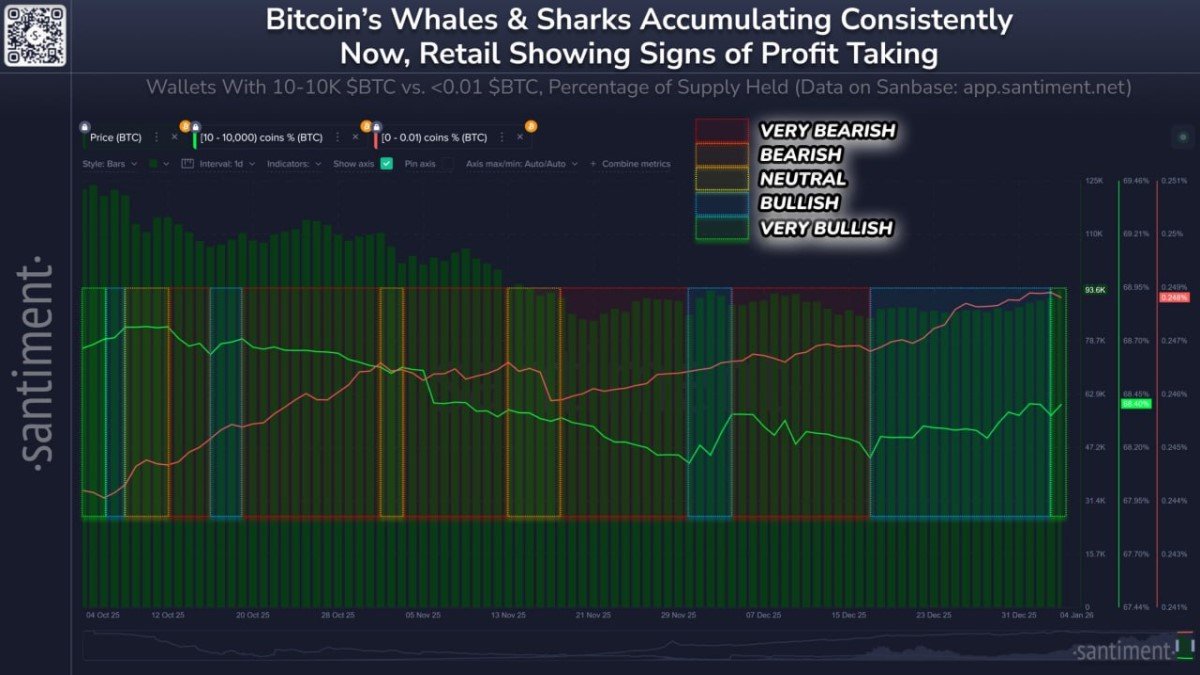
Santiment data suggests whales and sharks (10–10K BTC wallets) accumulated 56,227 BTC since Dec 17, while retail appears to be taking profit as Bitcoin revisits ~94K. That split often fuels upside—but only if it reflects true supply absorption rather than temporary custody reshuffling. This article breaks down what the signal really means, what it can’t prove, and how to read it like market structure—not astrology.

Read more →
Developer Activity Isn’t a Price Chart: Reading Ethereum’s 30-Day “Builders Leaderboard” Without Getting Trapped by Narratives
2026-01-06 16:00

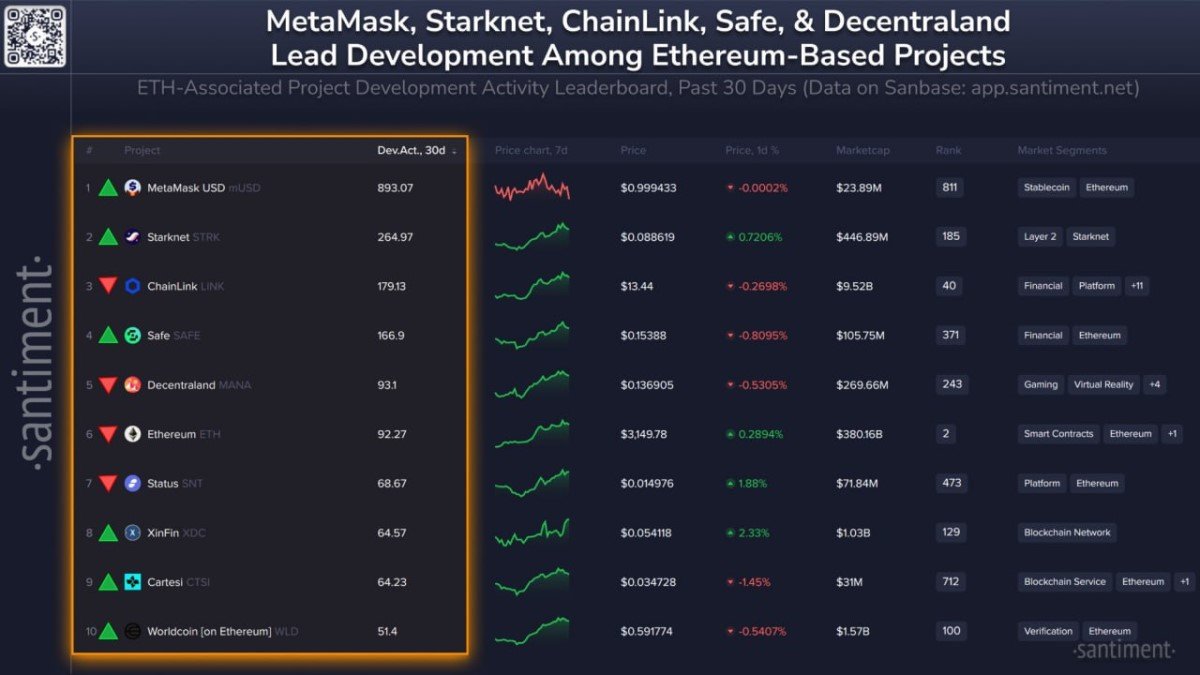
Developer Activity Isn’t a Price Chart: Reading Ethereum’s 30-Day “Builders Leaderboard” Without Getting Trapped by Narratives

Santiment’s 30-day dev-activity leaderboard suggests Ethereum-aligned teams are still shipping. But dev metrics are a heartbeat monitor, not a profit-and-loss statement. This piece breaks down what the leaderboard can (and cannot) tell you—especially for Starknet (STRK), where price drawdowns and upcoming unlock dynamics create a very different story than ‘builders keep building.’

Read more →
When Whales Use the Front Door: Interpreting Binance’s Rising Average Bitcoin Deposit Size
2026-01-05 15:13

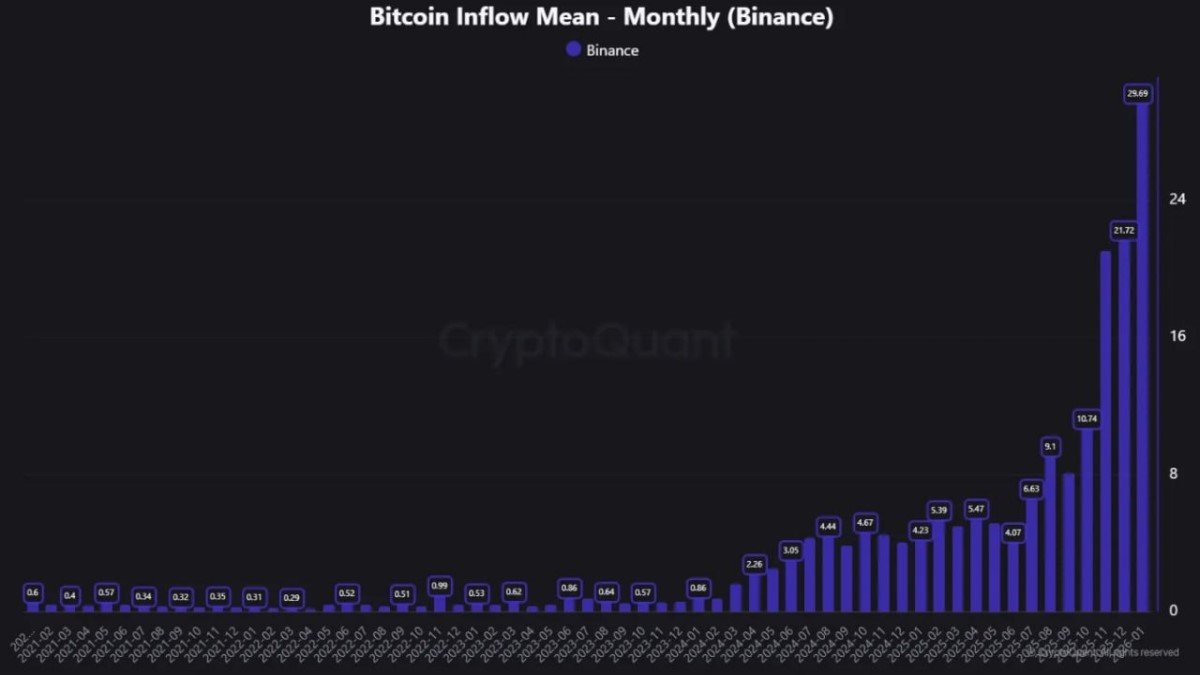
When Whales Use the Front Door: Interpreting Binance’s Rising Average Bitcoin Deposit Size

A surge in Binance’s “Bitcoin inflow mean” (average BTC per deposit transaction) suggests larger holders are becoming more active on the exchange—potentially at whale scale. But a deposit isn’t automatically a sell. Sometimes it’s a liquidity move, a derivatives-collateral move, or an execution move. The real edge is learning when this metric is a harmless heartbeat of market plumbing—and when it’s an early-warning signal of distribution.

Read more →
Bitcoin as a $1.2T Fiat Magnet: The Gateway Effect Behind Crypto’s Capital Funnel
2026-01-05 13:01

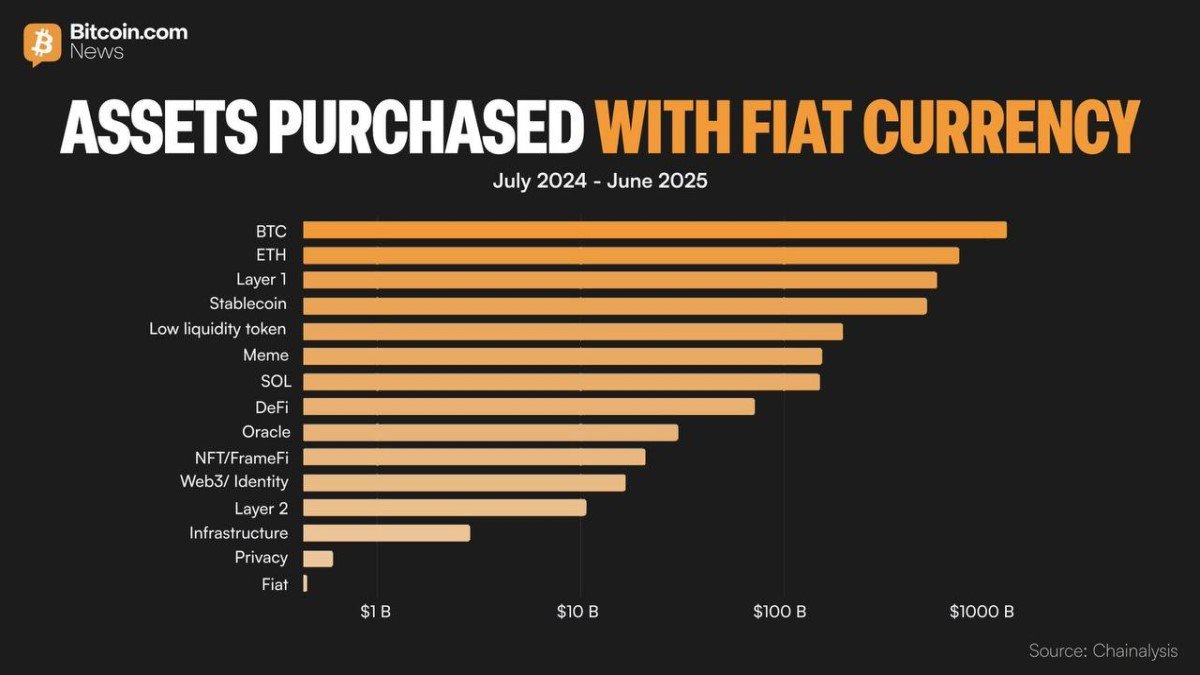
Bitcoin as a $1.2T Fiat Magnet: The Gateway Effect Behind Crypto’s Capital Funnel

A recent chart summarizing fiat-funded crypto purchases (July 2024–June 2025) puts Bitcoin at roughly $1.2T—far ahead of Ethereum (~$724B), other Layer 1s (~$564B), and stablecoins (~$497B). The headline isn’t just “BTC is #1.” The deeper story is how capital enters crypto: Bitcoin acts as the default on-ramp asset, while stablecoins increasingly behave like the system’s settlement layer—often used even by people who don’t think of themselves as ‘crypto users.’

Read more →
DeFi’s 2025 Revenue Leaders: The Quiet Shift From “Protocols” to Real Businesses
2026-01-04 08:36

DeFi’s 2025 Revenue Leaders: The Quiet Shift From “Protocols” to Real Businesses

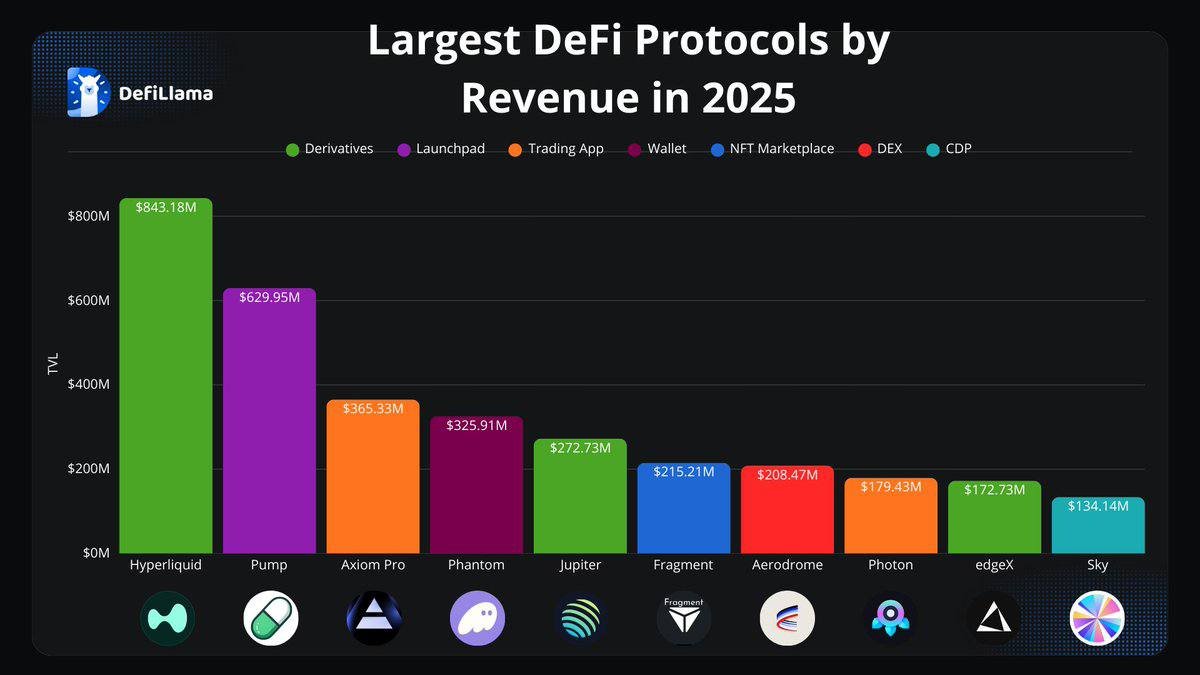
In 2025, the biggest DeFi winners weren’t just “the chains with the most TVL.” They were the products that captured repeat behavior and priced it. Hyperliquid (~$843M), Pump (~$630M), Axiom Pro (~$365M), Phantom (~$326M), and Jupiter (~$273M) form a revenue leaderboard that reads like a business school case study: trading, distribution, and interface power. The harder question is what kind of revenue this is—and whether it can survive when market mood changes.

Read more →
Solana’s Alpenglow in 2026: When “Speed” Stops Being a Marketing Word and Becomes a Design Constraint
2026-01-04 05:00

Solana’s Alpenglow in 2026: When “Speed” Stops Being a Marketing Word and Becomes a Design Constraint

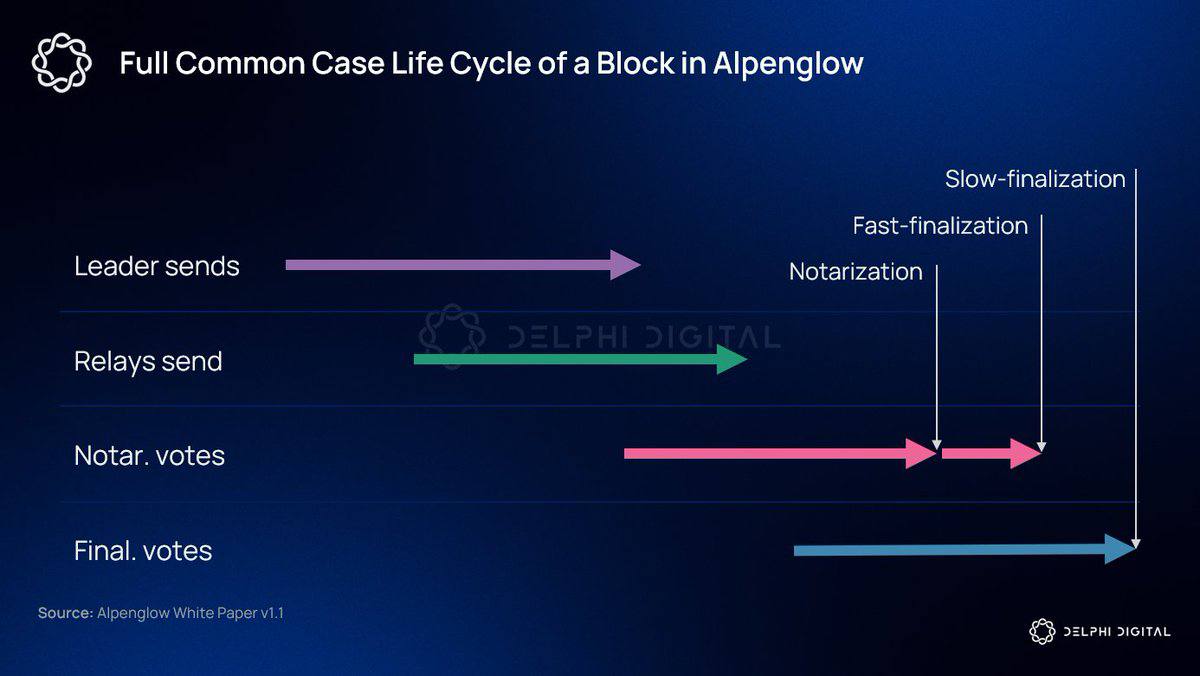
Alpenglow is Solana’s most ambitious core-protocol rewrite in years—aiming to shrink finality from seconds to the sub-second range by redesigning how votes and data move across the network. But the real story isn’t “100x faster.” It’s how a high-performance chain tries to buy latency without accidentally selling decentralization, safety, or operational simplicity.

Read more →
Bitcoin’s “Broken” 4-Year Cycle in 2025: What Actually Changed (And What Didn’t)
2026-01-03 06:36

Bitcoin’s “Broken” 4-Year Cycle in 2025: What Actually Changed (And What Didn’t)

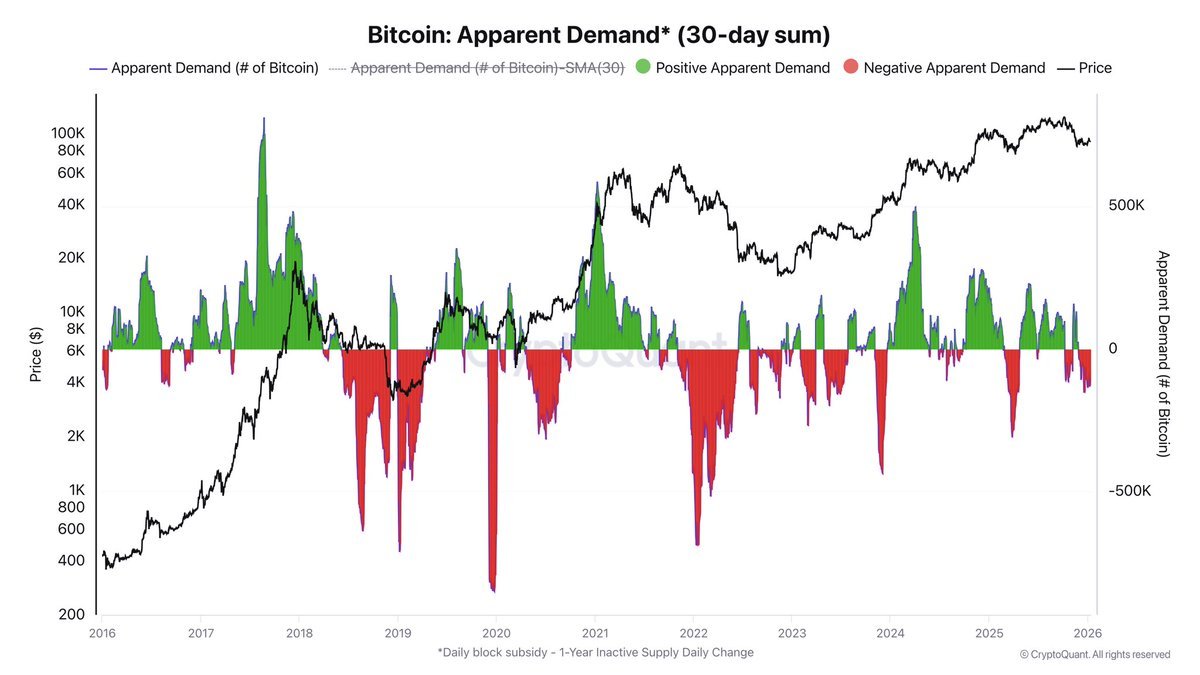
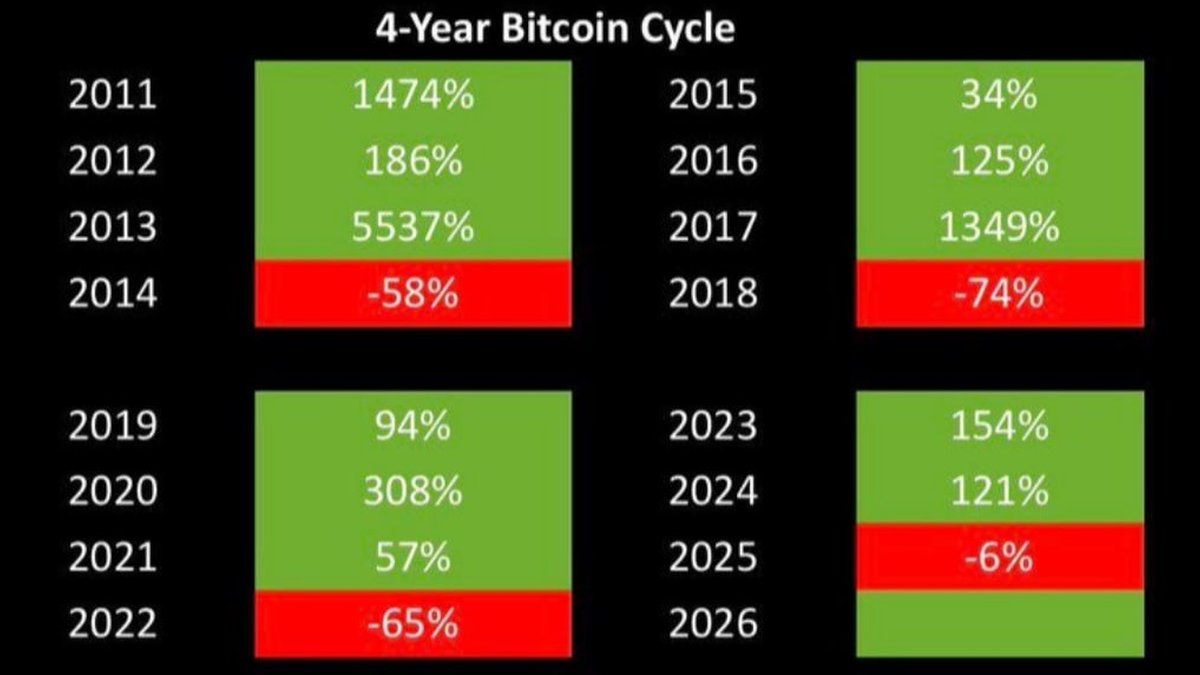
Bitcoin ending 2025 down about 6%—despite printing a new high above $126K earlier in the year—looks like a break from the famous post-halving playbook. A deeper read suggests something more nuanced: the halving still matters, but it no longer dominates. Bitcoin is being priced as infrastructure inside a macro and institutional world, where liquidity regimes, hedging, and regulation can overwhelm a predictable calendar narrative.

Read more →
Ethereum’s 2026 Upgrade Roadmap, Explained Like a City Plan: Glamsterdam, Hegota, and the Quiet Work of Staying Decentralized
2026-01-02 18:19

Ethereum’s 2026 Upgrade Roadmap, Explained Like a City Plan: Glamsterdam, Hegota, and the Quiet Work of Staying Decentralized

Ethereum’s 2026 plan centers on two major upgrades—Glamsterdam in the first half and Hegota later in the year—aimed at making the network cheaper, more scalable, more private, and harder to censor. The headline isn’t a single flashy feature; it’s a shift toward frequent, surgical improvements that keep Ethereum usable for the many without sacrificing decentralization.

Read more →
GameFi 2025: From Hype Cycles to a Web2.5 Reality Check
2025-12-31 10:20

GameFi 2025: From Hype Cycles to a Web2.5 Reality Check

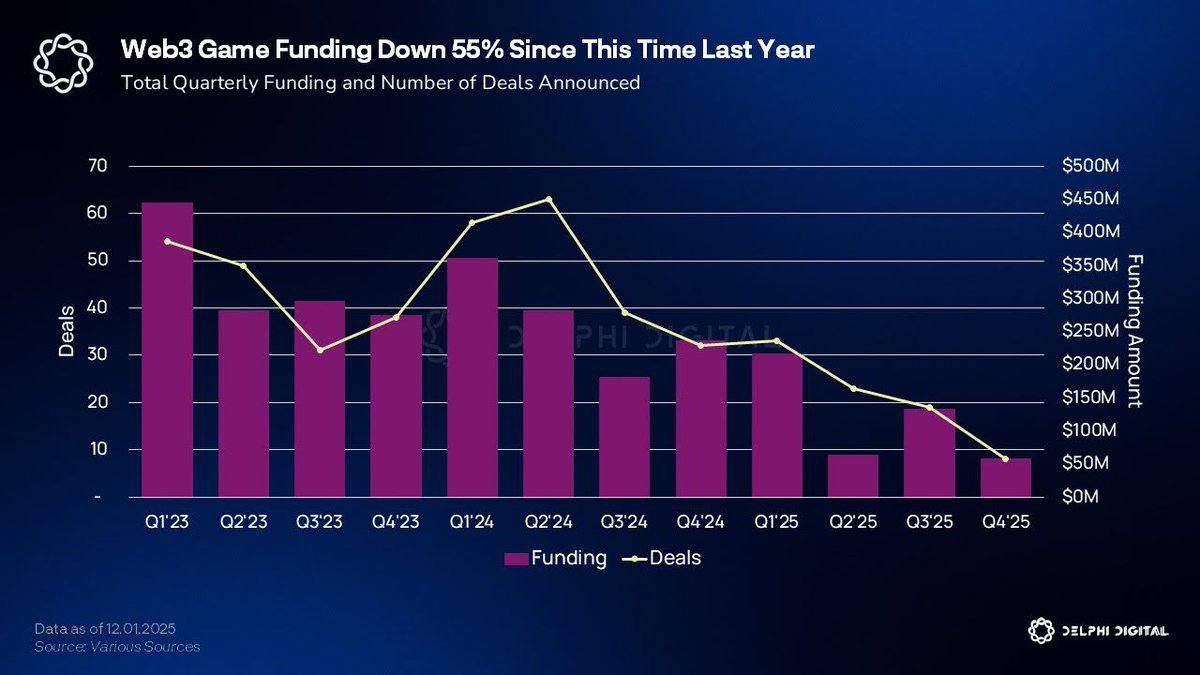
Web3 game funding is down more than 55% year-over-year, but the decline is less an obituary for GameFi and more a reset. Capital is shifting from short-lived play-to-earn experiments toward a quieter Web2.5 model where established studios use blockchain as infrastructure, not as a speculative centerpiece.

Read more →
Ethereum’s Validator Queue Explodes: What a 800k Entry Backlog Really Means for ETH
2025-12-30 11:32

Ethereum’s Validator Queue Explodes: What a 800k Entry Backlog Really Means for ETH

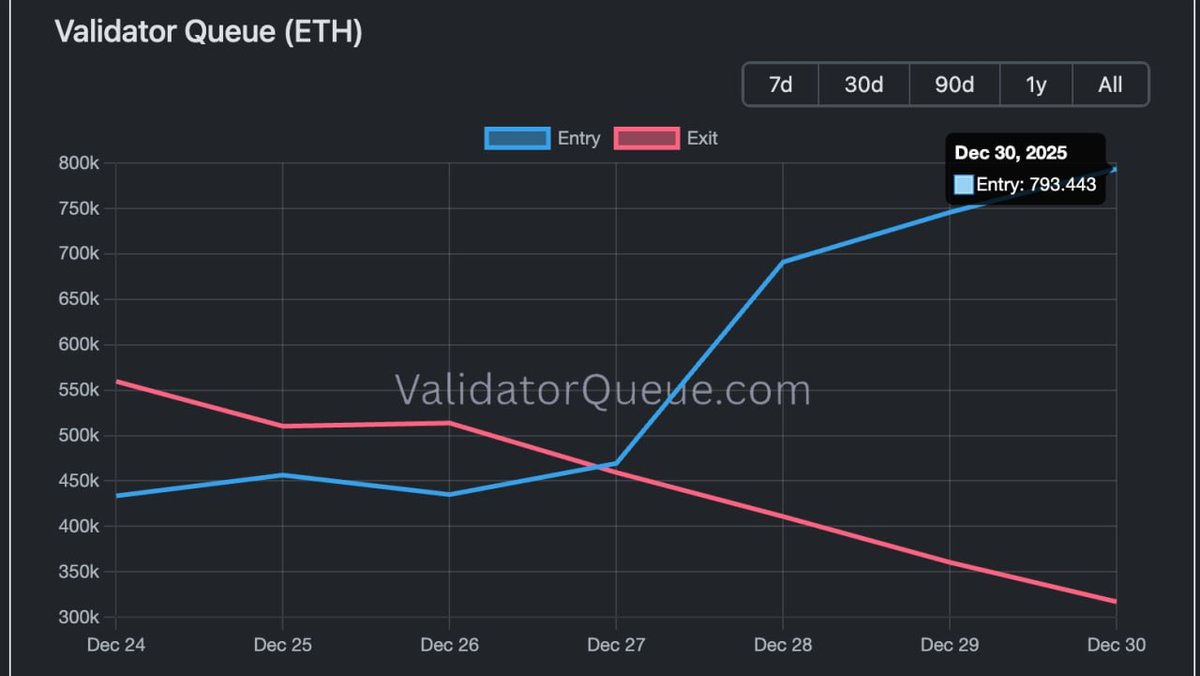
The Ethereum validator queue has flipped decisively: nearly 800,000 ETH is now waiting to enter staking while the exit queue has dropped toward 320,000 ETH. This sharp reversal signals growing confidence in Ethereum’s long-term prospects, a tightening of circulating supply, and a shift in how both individuals and institutions think about ETH—as a yield-bearing collateral asset rather than only a trading instrument.

Read more →
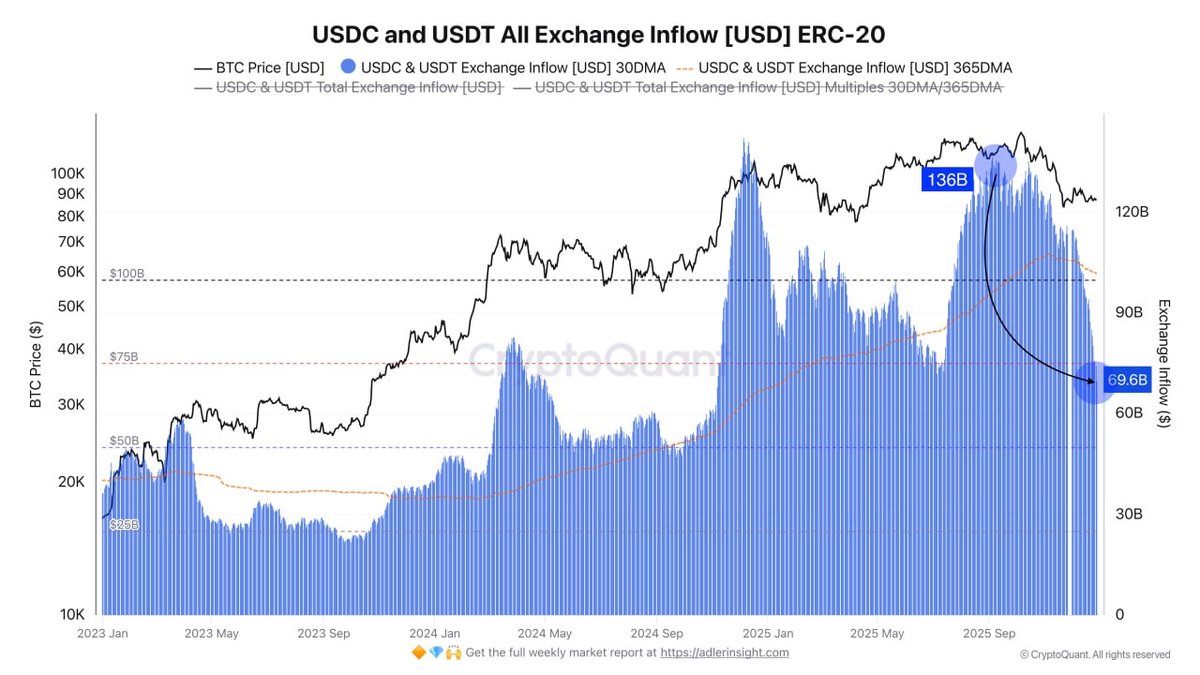
Where Did the Stablecoins Go? What Shrinking USDT and USDC Inflows Say About Crypto Liquidity
2025-12-30 06:33

Where Did the Stablecoins Go? What Shrinking USDT and USDC Inflows Say About Crypto Liquidity

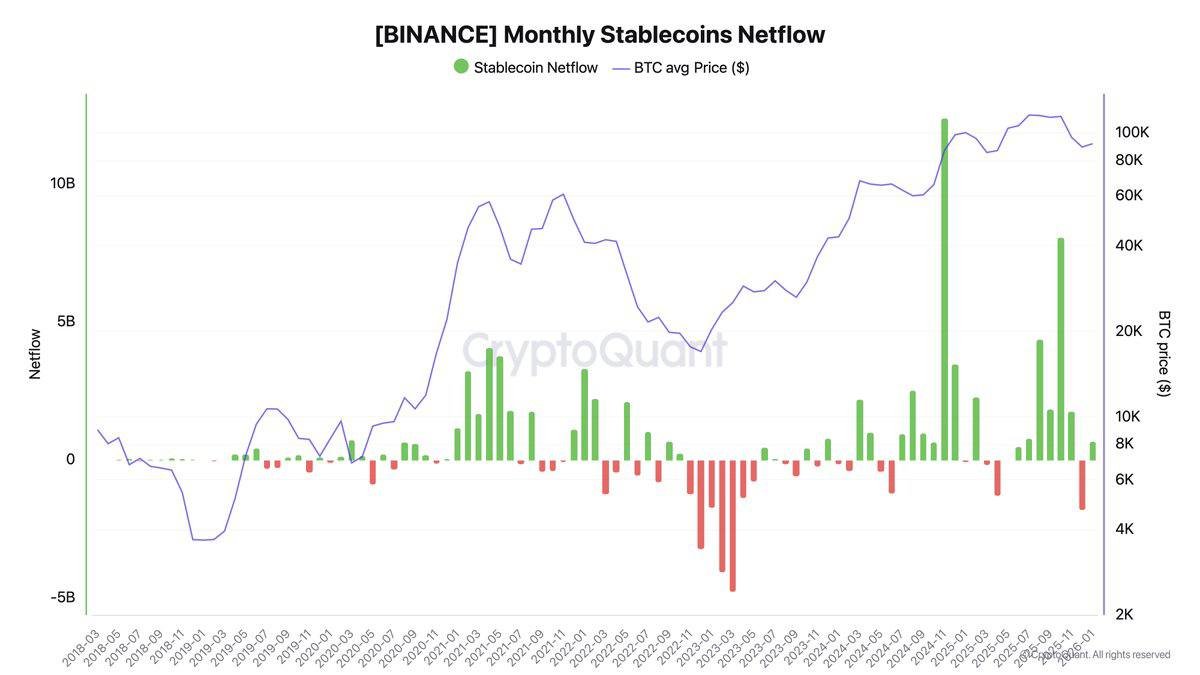
Stablecoin market cap has been drifting lower for weeks and exchange inflows of USDT and USDC have dropped by about half since September. On-chain data now shows a crypto market that is not out of buyers, but short of instantly deployable liquidity. Understanding what that means for volatility, price discovery and positioning is crucial as Bitcoin and major altcoins move into the next stage of the cycle.

Read more →
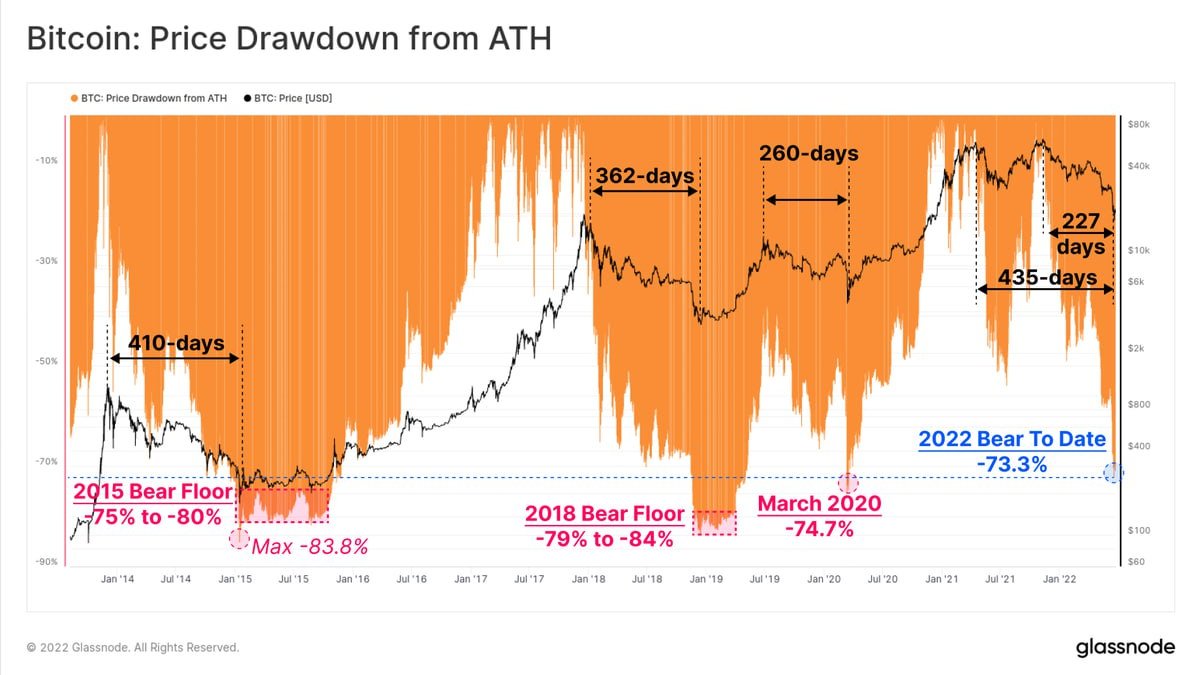
Why Most Altcoins Never Return to Their All-Time Highs
2025-12-29 10:45

Why Most Altcoins Never Return to Their All-Time Highs

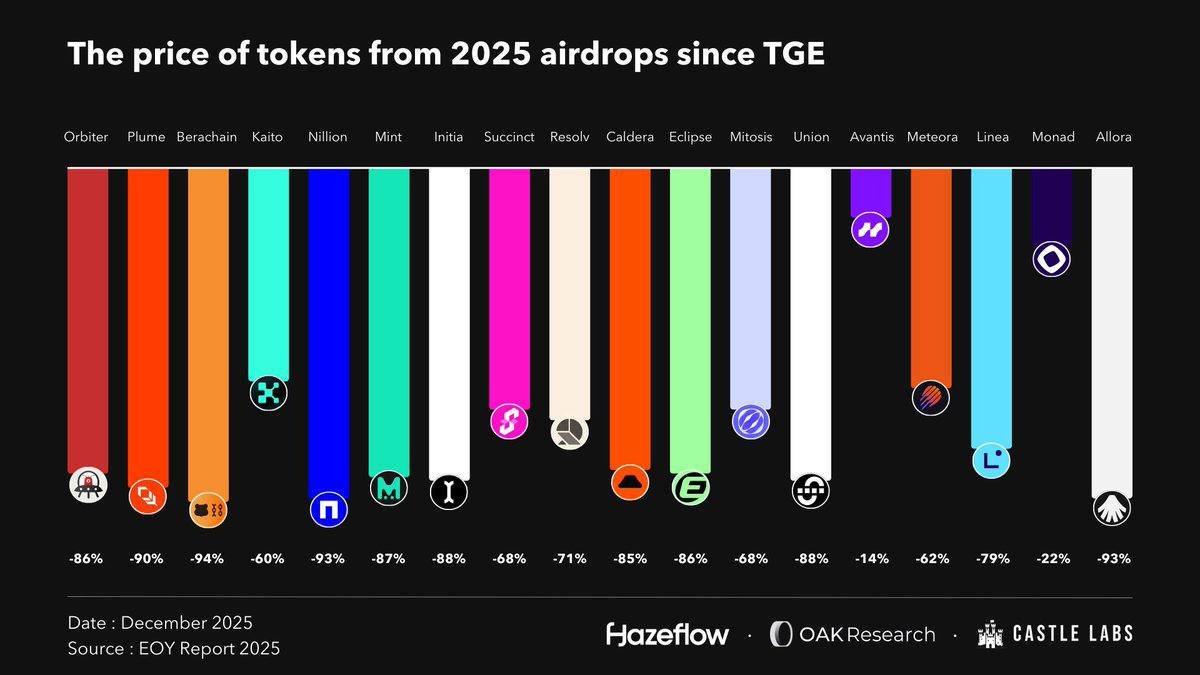
On-chain data and historical price action suggest that 70–80% of altcoins never revisit their all-time highs after a major cycle. In an environment where liquidity is thin, participants are fewer, and new tokens appear every day, investors need a different mental model for evaluating altcoins – one that treats survival and sustainable value as the exception, not the rule.

Read more →
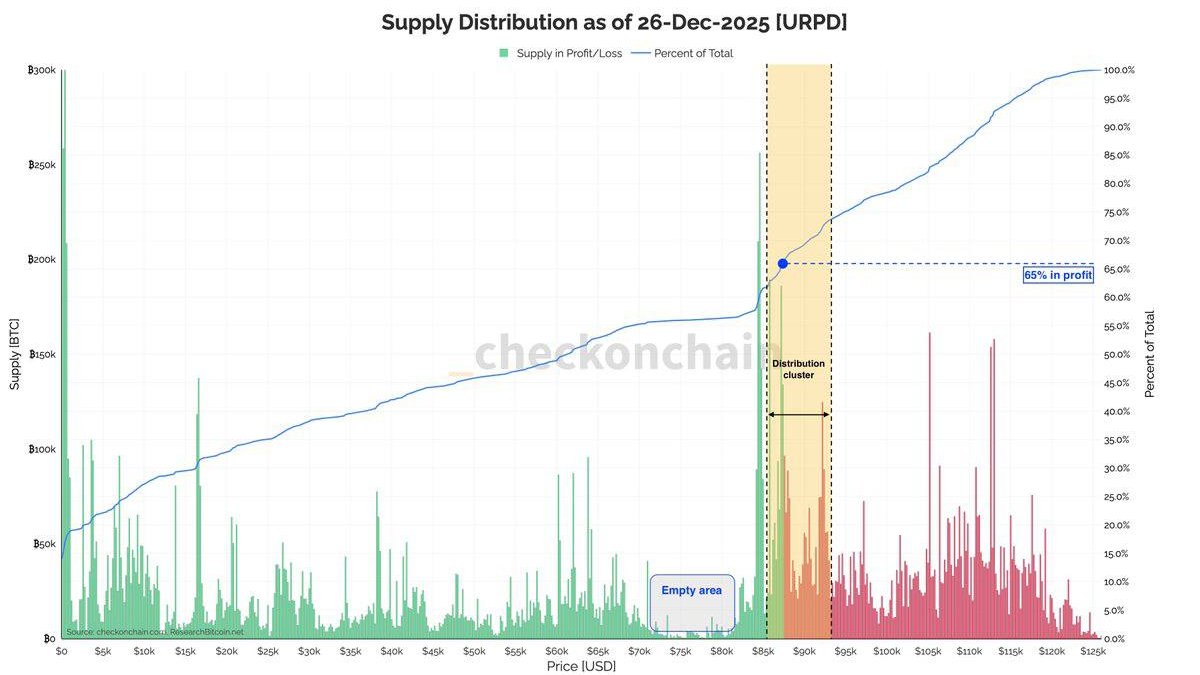
Bitcoin’s 85k–92k Stalemate: What URPD Reveals About a Possible Drop to 75k
2025-12-28 08:23

Bitcoin’s 85k–92k Stalemate: What URPD Reveals About a Possible Drop to 75k

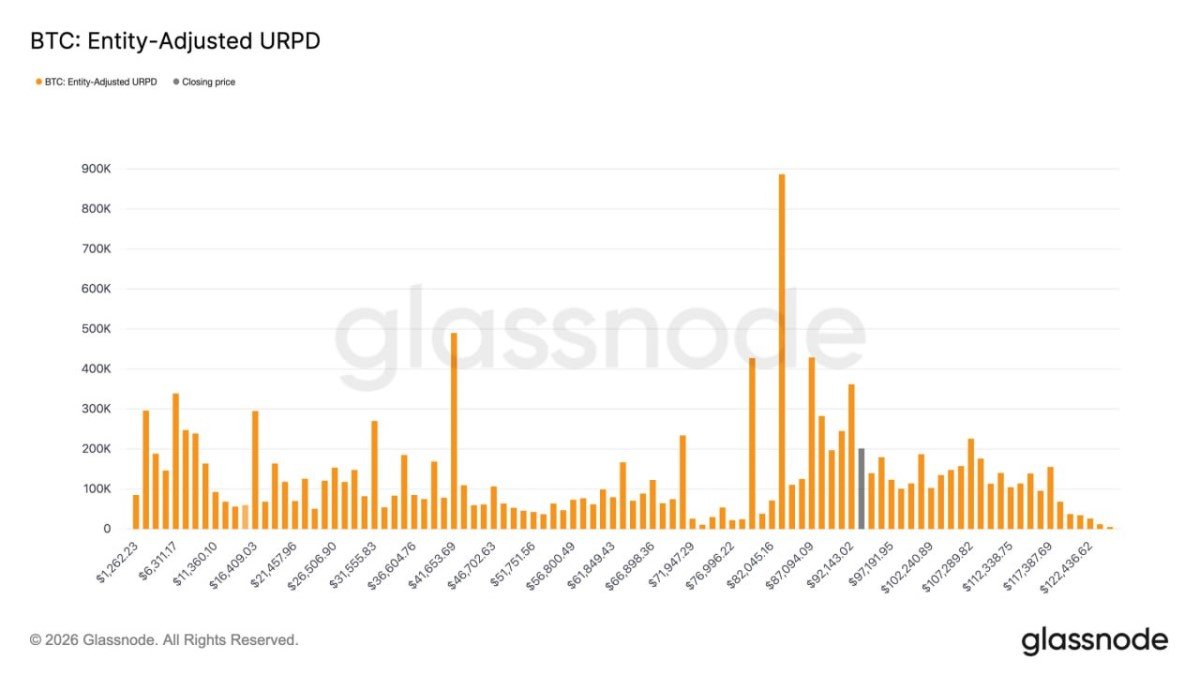
Bitcoin has been stuck in a tight 85k–92k range, where on-chain data shows a dense cluster of coins changing hands. Only about 65% of supply is in profit, which is modest for a strong bull market and hints that the cycle may still need a deeper reset. Using URPD and supply-in-profit metrics, we explore why a move toward the 75k area remains a realistic scenario and how investors can interpret this range without overreacting.

Read more →