
Why Splitting Your Capital Matters More Than Catching the Perfect Bottom
Every cycle, there is the same storyline. Prices fall, sentiment turns pessimistic, and social media becomes a competition over who can call the exact bottom. Screenshots of limit orders at ultra-low levels circulate as trophies of conviction. But when the dust settles a few years later, the investors who end up with the strongest portfolios are rarely the ones who caught the exact bottom. They are the ones who kept capital, kept their psychology intact and kept building positions throughout the downtrend.
This is why the question that really matters is not, 'Where is the bottom?' but 'How do I structure my capital so I can survive any path the market takes?' Splitting your capital into many tranches and accumulating gradually is not a timid approach; it is a strategy built on probability, risk management and respect for how unpredictable markets actually are.
1. Bottom calling is a game of ego, not of risk management
Trying to buy the exact bottom feels intellectually satisfying. If you manage to hit it once, it becomes part of your identity: you 'saw what others did not', you 'believed when no one else dared'. The problem is that markets do not reward pride; they reward robust process. A strategy that only works if you are precisely right on timing is fragile by design.
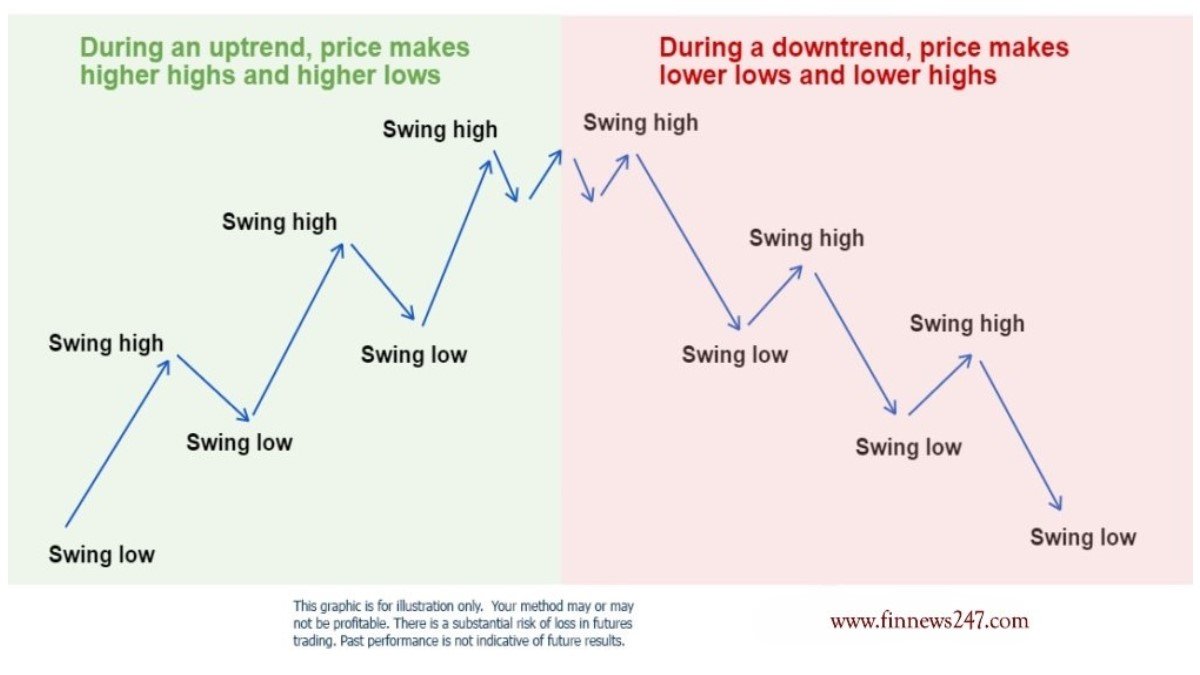
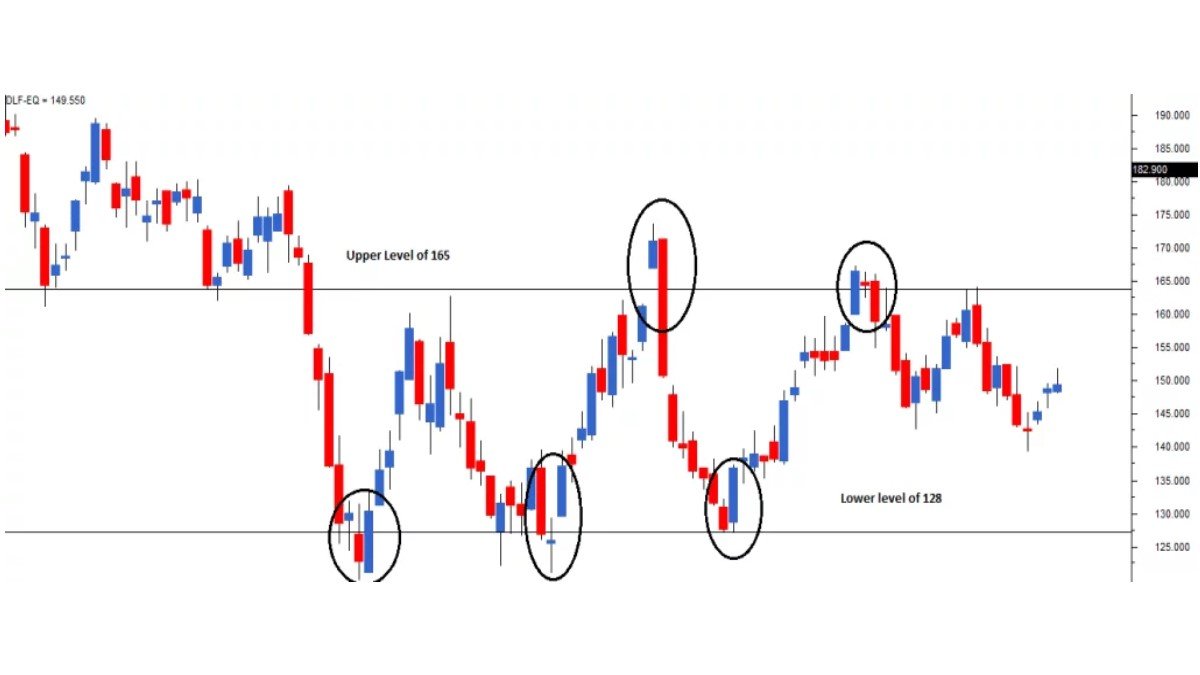
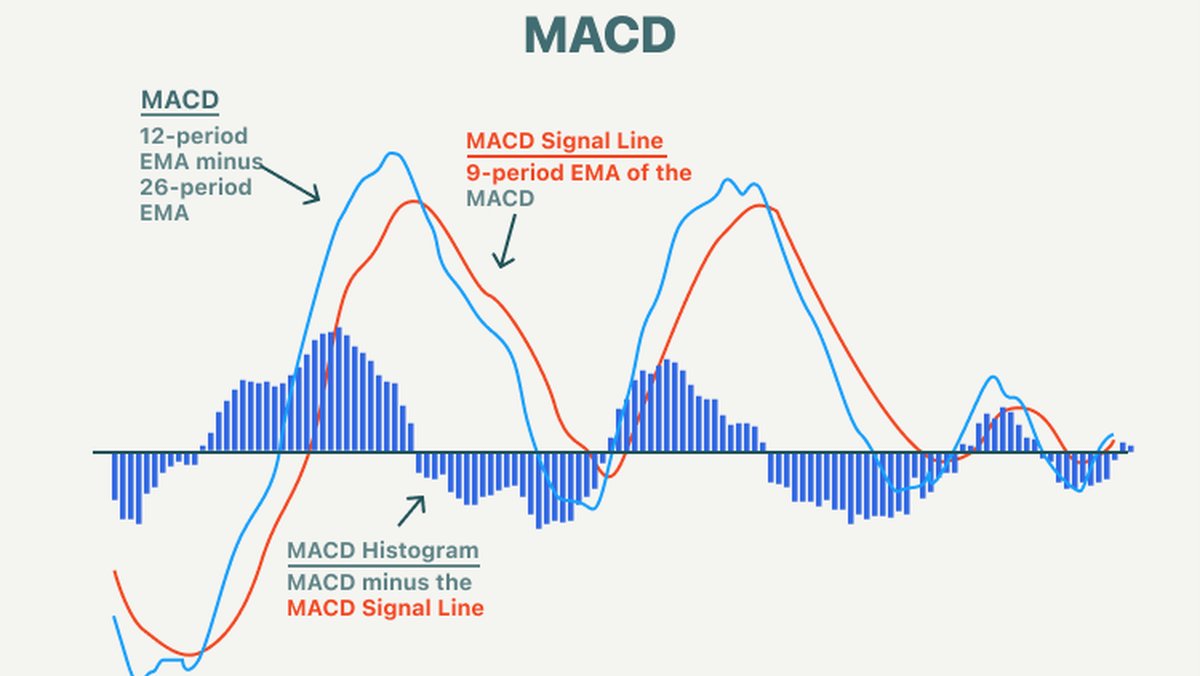
Downtrends are rarely clean. They often unfold in stages: sharp drops, slow bounces that look like recoveries, sudden new lows that invalidate every confident prediction from a few weeks earlier. Macro data changes, liquidity conditions tighten and loosen, and even on-chain indicators can send mixed signals as different types of holders react at different speeds.
In this environment, betting everything on a single entry point is essentially saying: 'I know more than the combined information of millions of market participants and the entire macro backdrop.' That is not investing; that is a form of overconfidence. Splitting your capital, in contrast, accepts that your information is incomplete. Instead of demanding to be right once, you design a process where you can be wrong many times in small ways and still end up with a favourable average price.
2. Capital allocation and psychology are inseparable
The first advantage of splitting your capital is psychological. When an investor goes all-in during a downtrend, every additional red candle feels like a personal attack on their judgment. As prices keep falling, the internal dialogue becomes louder: 'Did I misread the macro environment?' 'Is the thesis broken?' 'Should I cut now before it goes to zero?'
In that state, it is extremely hard to make rational decisions. Any piece of negative news feels oversized. Long-term conviction gets drowned by short-term fear. Many investors who go all-in too early end up doing the worst possible combination: they buy large at a non-extreme price, then sell under emotional pressure close to the real capitulation point. The problem is not just the price they paid, but that they had no capital left and no psychological bandwidth to participate in the true recovery.
When you deliberately divide your capital into multiple tranches – for example ten equal parts – the emotional landscape changes. A new dip is no longer an existential crisis; it is simply the next entry in your plan. You know in advance that you will add at lower prices if they appear, and you have reserved capital for that scenario. Instead of reacting to the market, you are executing against a predefined framework.
That shift from reactive to proactive is crucial. In practical terms, it means you sleep better, you are less tempted to check prices every five minutes and you are less exposed to the mood swings of social media. Your focus moves from 'Am I right or wrong today?' to 'Am I following my process this month?'
3. Downtrends are longer and deeper than our intuition expects
Human intuition is not built for exponential systems. We tend to underestimate both how fast markets can rise in euphoria and how deeply they can correct when liquidity withdraws. In crypto, this effect is amplified by leverage, reflexive narratives and the global 24/7 nature of trading.
History shows that major drawdowns often exceed what the majority of investors considered plausible at the time. Assets can drop 70–80% from their peaks and still preserve their long-term fundamental story. Within those multi-month declines, there are usually several rallies of 30–50% that look, in real time, like the beginning of a new bull market. Many participants mistake those relief rallies for trend reversals, deploy capital aggressively, and then face another leg down.
Splitting capital into tranches acknowledges this structural uncertainty. Instead of anchoring on a single level ('if Bitcoin returns to X, I will buy'), you design a ladder of potential entries: X, then X minus 10%, minus 20%, minus 30%, and so on. You do not need to know which rung will be the last. You just need to ensure that whatever path the market chooses, your average cost remains attractive relative to the next full cycle.
4. Dollar-cost averaging in a downtrend: turning error into an ally
From a probabilistic point of view, trying to buy at one price is equivalent to placing all your chips on a single outcome. If that outcome is wrong, the entire strategy underperforms. When you split your capital, you convert the uncertainty of timing into a potential advantage: volatility becomes the mechanism that improves your average entry.
Consider two simplified examples:
- Investor A deploys 100% of their capital when an asset is at 100 units of price. The market later trades at 60 for a period and eventually recovers to 200.
- Investor B splits capital into five tranches of 20%. They buy at 100, 90, 80, 70 and 60 as the market declines, following a pre-defined plan.
When the asset climbs back to 200, Investor A has a 100% gain. Investor B, whose average cost is around 80, has a 150% gain. Neither of them bought the absolute bottom, but the one who allowed for multiple entries transformed gradual declines into a mathematical edge.
In the real world, paths are messier: maybe the market never reaches your lowest planned level, or maybe it overshoots it temporarily. The point is not perfection; it is that your outcome is no longer tied to a single prediction about where and when the bottom occurs. Instead, your result is anchored to the entire distribution of prices over the downtrend.
5. Building positions that you can actually hold in the next bull run
Another reason to split capital is that positions built patiently during fear are easier to hold during euphoria. When your cost basis is the result of many entries across distressed prices, you do not feel the same pressure to 'get back to break-even' that plagues investors who bought once, too early, at a higher level.
Imagine two holders meeting at the same future price. One bought aggressively at the first 30% drop; the other accumulated at intervals all the way down. When the asset finally recovers to the previous peak, the early all-in investor might only be slightly profitable, still haunted by the memory of watching their position sit at a loss for months. The laddered investor, by contrast, may already be sitting on a comfortable gain and can view subsequent volatility more calmly. That psychological cushion is what allows them to ride a full multi-year trend instead of locking in profits prematurely after the first rally.
In other words, strong future hands are built with sensible past entries. Downtrends are where you design the emotional profile of your future self: will you be the investor who panics at every correction because your entry was unlucky, or the one who can tolerate noise because your cost basis is anchored in pessimism, not euphoria?
6. A practical framework for splitting capital in a downtrend
There is no single formula that fits every investor, but several principles can guide a disciplined approach.
6.1 Decide the total allocation first
Before thinking about entry levels, clarify what portion of your overall net worth you are comfortable allocating to a given asset or sector. This should account for your income stability, time horizon and tolerance for drawdowns. Only after that decision should you think about how to spread this allocation over time.
6.2 Choose the number of tranches
Many long-term investors use between five and ten tranches for a major downtrend. Fewer tranches mean larger size per entry and more sensitivity to timing; more tranches give you flexibility but require discipline to avoid overcomplicating the plan.
6.3 Use both price and time triggers
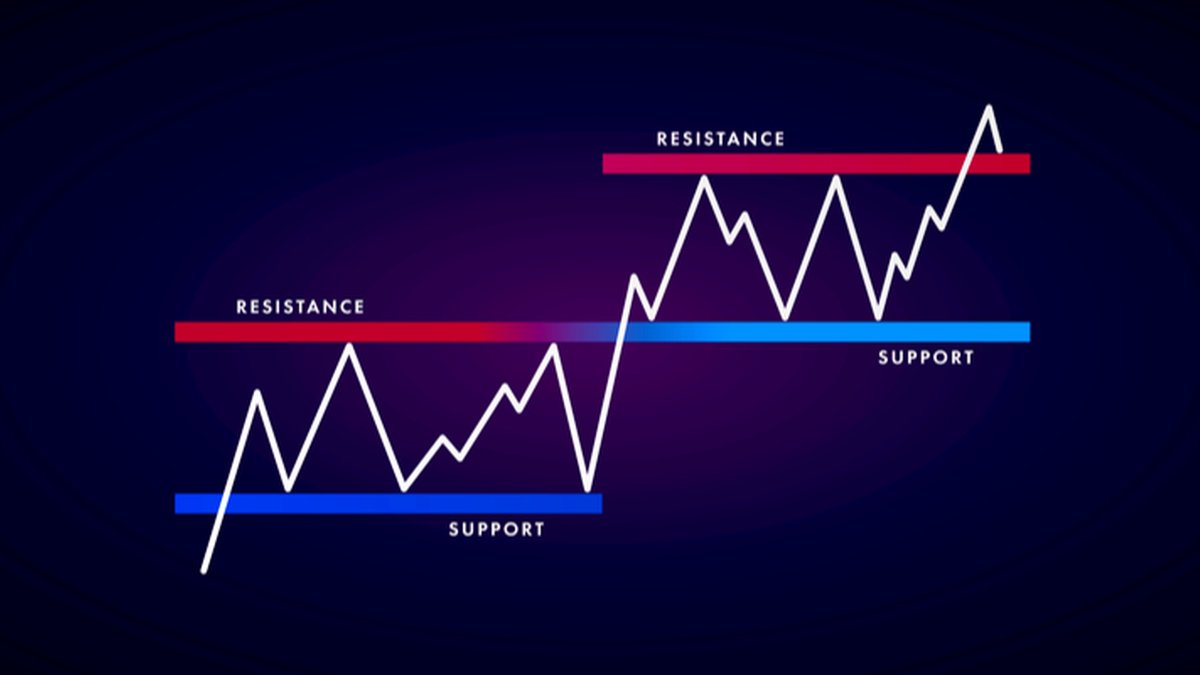
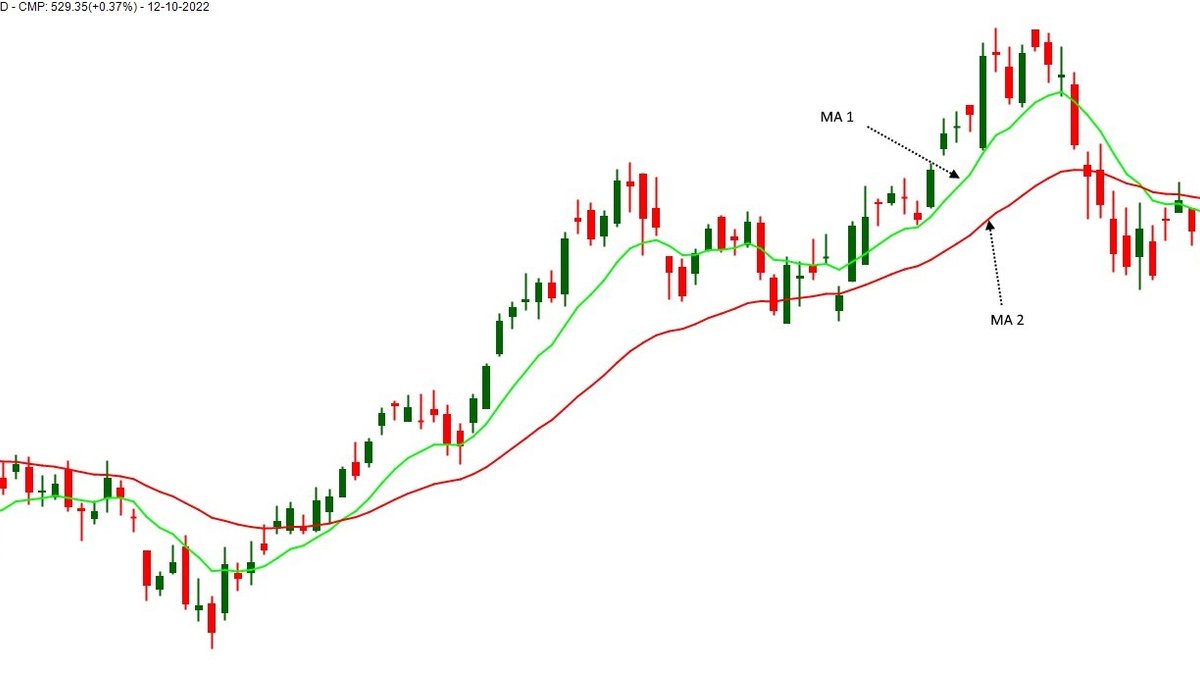
You can structure entries around percentage declines from the last cycle high (for example every additional 10–15% drop), around key valuation zones (on-chain metrics, long-term moving averages) or around fixed time intervals (monthly or quarterly purchases). The most robust plans often combine both: you commit to buy a fixed amount every period, with additional tranches reserved for moments of extreme stress.
6.4 Predefine what would invalidate the thesis
Splitting capital does not mean blindly buying all the way down under any circumstances. Part of a mature framework is specifying conditions under which you would slow or stop accumulation: structural regulatory changes, irreparable protocol failures, or a clear deterioration of the fundamental story. The goal is to be flexible on timing while still anchored to a clear thesis.
6.5 Track your blended cost and risk exposure
As you deploy tranches, update your average entry price and the percentage of your pre-defined allocation that has been used. This prevents accidental overexposure and gives you an objective reference for later decisions. When the market eventually stabilizes and starts trending up, this data helps you decide whether to keep accumulating, hold, or rebalance.
7. Why this mindset matters beyond crypto
Although this discussion is framed around Bitcoin and digital assets, the logic applies to almost any long-duration investment theme: emerging technologies, early-stage equities, even traditional indices during global recessions. Large trends rarely move in straight lines. Policies shift, narratives evolve, and valuation resets can be brutal, even when the long-term direction remains intact.
Investors who insist on finding the exact turning point are, in effect, trying to compress a multi-year story into a single trade. Investors who split capital accept that cycles are messy and that patience is a strategic asset. Their advantage is not secret information or perfect timing; it is a structure that allows them to stay in the game long enough to let compounding work.
8. Downtrend as a filter: who stays and who leaves
Downtrends are not only about price; they are about participation. When markets are quiet, it becomes obvious who was here for quick excitement and who is here for the entire arc of the technology. Many participants step aside, either because their capital is exhausted or because their conviction was tied more to price action than to fundamentals.
For the investors who remain, this is a rare advantage. There is less noise, less emotional crowding and, often, more time to study infrastructure, governance, regulation and use cases in detail. Splitting your capital complements this phase: it ensures that your financial posture matches your intellectual posture. If you believe a sector has multi-cycle potential, your approach to funding that belief should not depend on a single moment of courage but on a consistent pattern of accumulation.
9. Conclusion: discipline over drama
The idea of 'buying the bottom' will always be seductive. It offers a simple, dramatic narrative: you were brave when others were fearful, and the market rewarded you with an extraordinary entry. But for most investors, this story is more fantasy than framework.
Splitting capital into multiple tranches during a downtrend tells a different story. It says that you respect uncertainty, that you prioritize survival over bragging rights, and that you are willing to exchange the possibility of a perfect trade for the probability of a robust outcome. It aligns your emotional state with your long-term goals, turning sharp declines from sources of panic into pre-planned opportunities.
Downtrends do not reward those who shout the loudest price targets. They reward those who can manage capital, manage psychology and stay present long enough to participate in the next structural move. All-in is the language of impulse. Gradual accumulation is the language of strategy.
Disclaimer: This article is for educational purposes only and does not constitute financial, investment or legal advice. Digital assets and other investments can be volatile and carry risk. Always conduct your own research and consult with a qualified professional before making any investment decisions.