
Crypto & Market

Sui’s Native Stablecoin USDsui: Why Stripe’s Bridge Matters, How “Open Issuance” Changes the Game, and What Could Go Right (or Wrong)
2025-11-12 10:15

Sui’s Native Stablecoin USDsui: Why Stripe’s Bridge Matters, How “Open Issuance” Changes the Game, and What Could Go Right (or Wrong)

Sui is launching a native, USD-pegged stablecoin called USDsui—issued by Bridge, a Stripe company—using Bridge’s Open Issuance platform. Beyond headlines, this is a strategic attempt to localize payment rails, recycle on-chain velocity into the Sui economy, and reduce dependence on third-party stablecoin seigniorage. We dissect the mechanics, Stripe’s $1.1B Bridge acquisition, the claim of $412B stablecoin transfers on Sui (Aug–Sep 2025), and the conditions required for USDsui to become a durable liquidity anchor rather than a short-cycle trade.

Read more →
A US Bank Puts Crypto in Your Checking App: What SoFi’s Consumer Launch Really Changes
2025-11-12 09:00

A US Bank Puts Crypto in Your Checking App: What SoFi’s Consumer Launch Really Changes

SoFi just became the first and only nationally chartered US bank to let mainstream customers buy and sell crypto directly inside a bank app—backed by bank-grade KYC/AML, disclosures, and a roadmap that even includes a USD stablecoin. It’s a watershed moment for distribution and compliance, but success will hinge on spreads, custody design, clear consumer protections, and whether the bank can convert crypto-curious users into core banking relationships.

Read more →
Phantom Cash Aims to Turn a Wallet Into a Spending App — What It Would Take to Succeed (and What the Last 24 Hours Say About Liquidity)
2025-11-12 01:30

Phantom Cash Aims to Turn a Wallet Into a Spending App — What It Would Take to Succeed (and What the Last 24 Hours Say About Liquidity)

Phantom’s new “Cash” experience signals where crypto wallets are heading: from self-custody vaults to everyday payment apps. If the feature ships at scale, it could compress the distance between stablecoin balances and real-world spending—provided compliance, interchange, and on/off-ramp frictions are solved. We dissect the design choices that will decide whether Phantom Cash becomes a durable payments rail or a short-lived experiment, and we put today’s 24-hour market headlines in context of liquidity, regulation, and user growth.

Read more →
BlackRock Renews Its Bitcoin Conviction: Why Price Stability Can Be the Springboard for the Next Cycle
2025-11-11 20:10

BlackRock Renews Its Bitcoin Conviction: Why Price Stability Can Be the Springboard for the Next Cycle

As Bitcoin wrestles with the six-figure psychological line, BlackRock has reiterated its long-horizon view on BTC, arguing that periods of range-bound prices are not a failure of the thesis but the staging ground for the next expansion. We unpack what “stability” really signals across ETF flows, volatility regimes, on-chain supply dynamics, and macro liquidity—and outline a disciplined playbook for institutions and advanced retail.

Read more →
Are Stablecoins Really Crime’s New Favorite? What the Data Shows—and What It Actually Means for Crypto
2025-11-11 13:30

Are Stablecoins Really Crime’s New Favorite? What the Data Shows—and What It Actually Means for Crypto

Headlines say stablecoins have overtaken Bitcoin in criminal activity. The data does show a shift in illicit volumes toward dollar-pegged tokens—especially USDT on Tron—but the full story is more nuanced: the share of crypto activity that’s illicit remains a small fraction overall, compliance tooling has improved, and policy will likely sharpen rather than ban stablecoins. We break down what’s true, what’s not, and how this changes risk for exchanges, funds, and ordinary users.

Read more →
CZ, Trump, and the Pardon Heard Round Crypto: Sorting Facts, Rumors, and the Real Stakes for Markets
2025-11-11 10:55

CZ, Trump, and the Pardon Heard Round Crypto: Sorting Facts, Rumors, and the Real Stakes for Markets

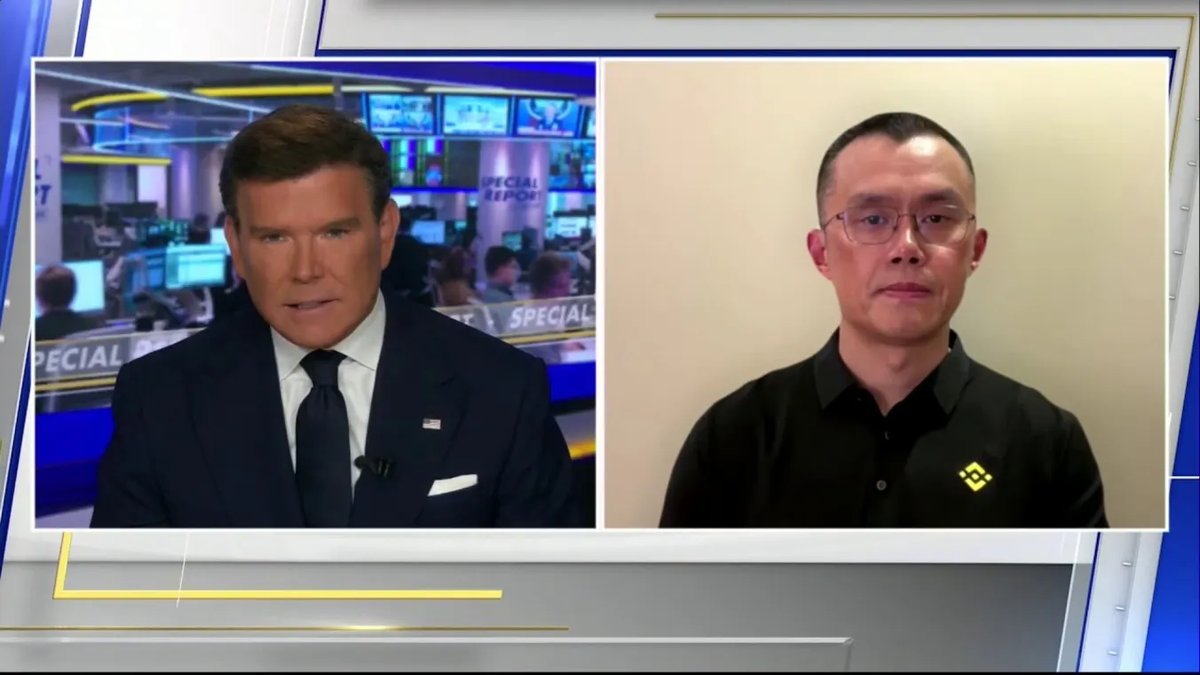
In the wake of President Trump’s pardon of Binance founder Changpeng “CZ” Zhao, social feeds erupted with claims that CZ went on Fox News to reveal explosive details about the Trump family—and to deny any business links to their crypto ventures. We investigated what’s actually on the record, where the rumor mill is running hot, and the implications for exchanges, stablecoins, and tokenized finance. Our bottom line: the pardon is real; CZ is not Binance’s CEO; World Liberty Financial is a real Trump-family-linked crypto effort; and the rest demands careful sourcing and nuance.

Read more →
Did Bitcoin Really Bottom? Stress-Testing a Viral “150K by February” Call With Macro, Liquidity, and On-Chain Reality
2025-11-11 09:45

Did Bitcoin Really Bottom? Stress-Testing a Viral “150K by February” Call With Macro, Liquidity, and On-Chain Reality

A self-described macro strategist says Bitcoin has already printed its cycle floor and could sprint 50% to $150,000 by late February. We verify the claims we can, flag what we can’t, and then run the thesis through hard plumbing: ETF flows, dollar liquidity, derivatives positioning, and on-chain supply dynamics. Our verdict: there is a credible path to 150K, but only if a strict chain of conditions line up—real rates glide lower, spot ETF demand re-accelerates, stablecoin float expands, and leverage stays disciplined.

Read more →
Hong Kong’s ~US$1B Tokenized Bond Push: How ‘Digital Debt’ Could Rewire Crypto Liquidity
2025-11-11 07:30

Hong Kong’s ~US$1B Tokenized Bond Push: How ‘Digital Debt’ Could Rewire Crypto Liquidity

Hong Kong has issued its third batch of tokenized government green bonds—this time around HK$10 billion (≈US$1.3B) across HKD, USD, EUR, and RMB—while piloting settlement in tokenized central-bank money. Beyond headline size, the design choices matter: multi-currency issuance, wholesale CBDC rails, and a growing tokenization toolkit position the city as a lab for institutional on-chain finance. We explain how this ‘digital debt’ stack could spill over into crypto liquidity, what it means for stablecoins and ETFs, and where the real bottlenecks remain.

Read more →
“UNIfication” Lands: What Uniswap’s Fee Switch + UNI Burn Could Mean for DeFi — And How Today’s Macro Tape Shapes the Trade
2025-11-11 05:30

“UNIfication” Lands: What Uniswap’s Fee Switch + UNI Burn Could Mean for DeFi — And How Today’s Macro Tape Shapes the Trade

Uniswap’s new “UNIfication” proposal would activate protocol fees, burn a large slug of UNI, and consolidate product teams under a single growth agenda. If adopted, the change could rewire cash-flow expectations across DeFi while forcing every DEX to clarify who earns what, and why. We unpack how a fee switch plus token burn can alter valuation math, user incentives, and governance power, then map these mechanics onto a choppy 24-hour macro tape: Senate moves to end the U.S. shutdown, Treasury/IRS float ETP-staking guidance, XRP ETF chatter brews, dYdX pushes v9.4 and ‘free trading’ campaigns, and MicroStrategy keeps buying BTC. The through-line: liquidity is path-dependent, and policy is now a first-order pricing force.

Read more →
U.S. Greenlight for Staking in Spot Crypto ETPs: What It Really Changes for Ethereum, Solana—and Investors
2025-11-10 21:20

U.S. Greenlight for Staking in Spot Crypto ETPs: What It Really Changes for Ethereum, Solana—and Investors

New U.S. guidance reportedly allows spot crypto exchange-traded products to stake assets and distribute rewards under a Safe Harbor framework. If implemented, Ethereum and Solana ETPs could evolve from passive price trackers into income-generating vehicles—bringing fresh questions about taxes, custody, slashing, governance, and market microstructure. We unpack the mechanics, the risks, and the second-order effects for prices and on-chain decentralization.

Read more →
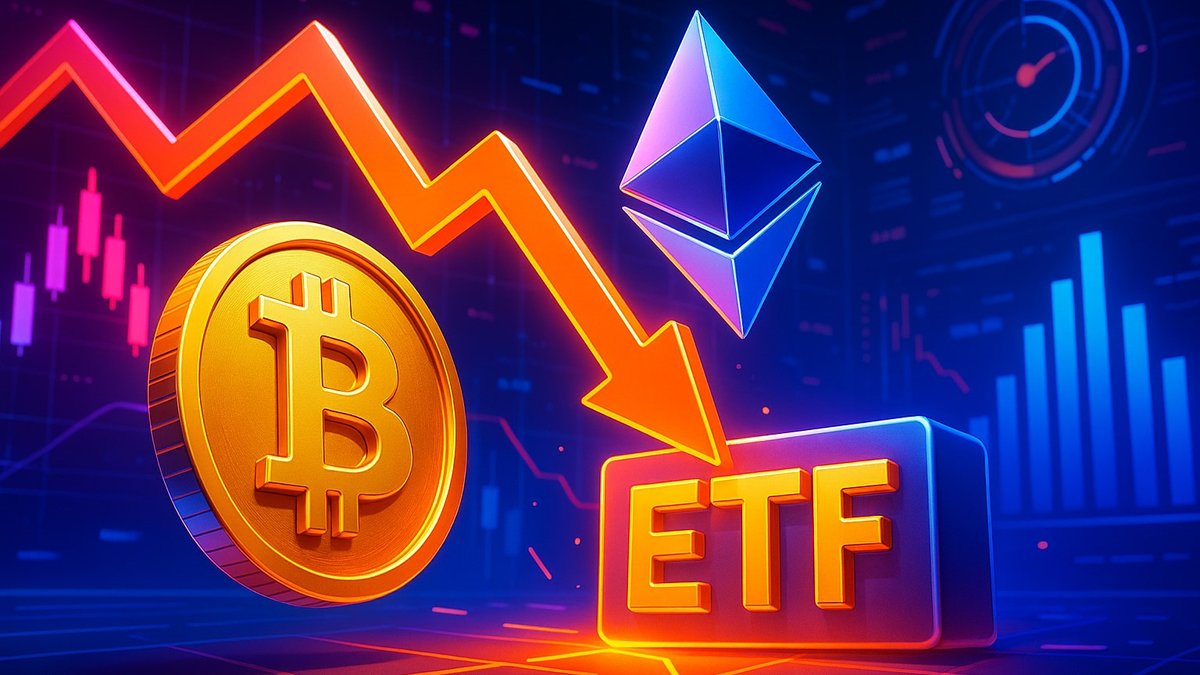
Strategy’s 487 BTC Buy Near $102K: Anatomy of a High-Conviction Treasury and What It Signals for Bitcoin
2025-11-10 19:20

Strategy’s 487 BTC Buy Near $102K: Anatomy of a High-Conviction Treasury and What It Signals for Bitcoin

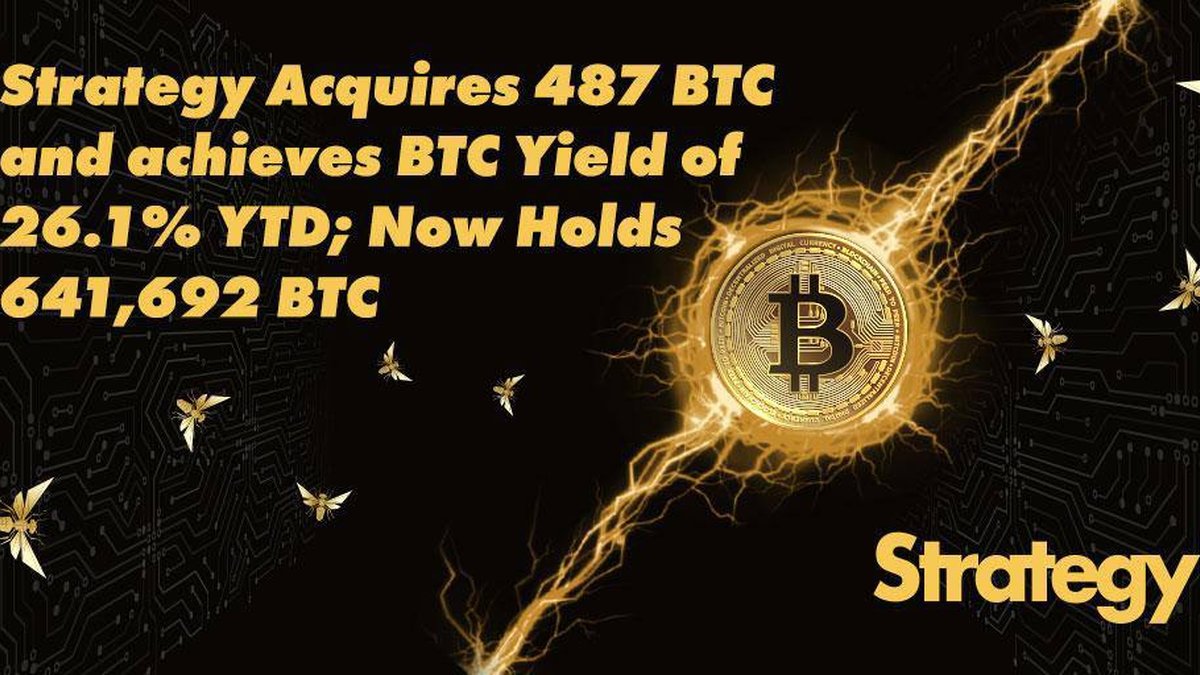
The company formerly known as MicroStrategy added 487 BTC for $49.9M as spot prices probed the low-$100Ks—another deliberate turn of its treasury flywheel. Beyond the headline, the purchase reveals how Strategy time-slices market weakness, finances with hybrid capital, and continues to cement the 'public-company Bitcoin balance sheet' as an investable asset class.

Read more →
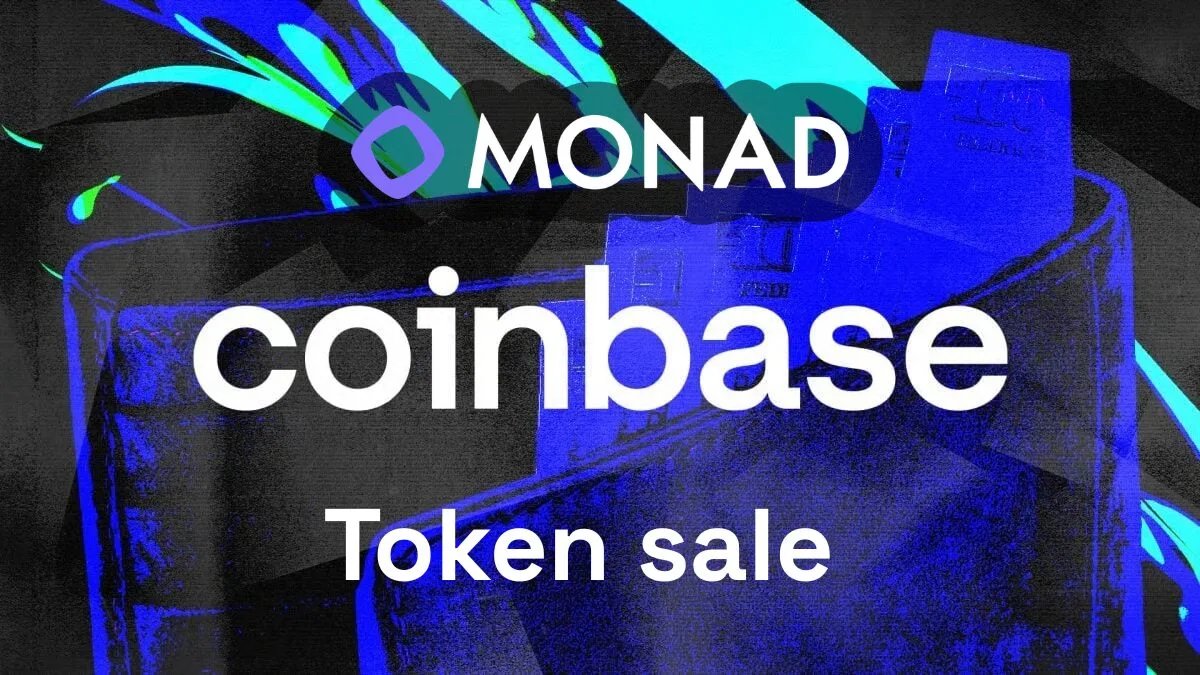
Coinbase Is Launching a Token-Sale Platform — With Monad as the Debut. Here’s What It Really Means
2025-11-10 17:30

Coinbase Is Launching a Token-Sale Platform — With Monad as the Debut. Here’s What It Really Means

Coinbase is rolling out a regulated token-sale venue for U.S. retail, with Monad slated as the first offering. Beyond the headline, this move rewires primary issuance, pushes token launches onshore, and sets a new compliance bar for projects that want mainstream distribution. We unpack what’s known, what isn’t, how the mechanics might work, and why the outcome will hinge on fair allocations, post-launch liquidity, and real network traction on Monad’s mainnet.

Read more →
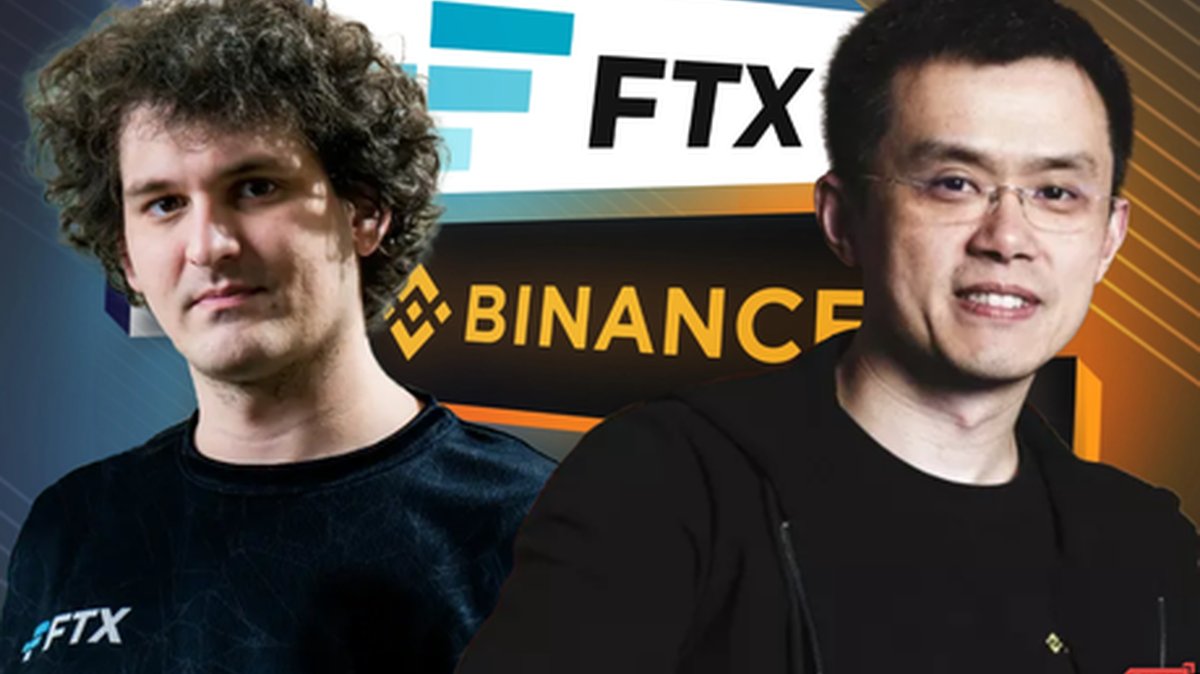
Did SBF Just Accuse CZ of Being ZachXBT? A Disinformation Stress Test for Crypto
2025-11-10 16:15

Did SBF Just Accuse CZ of Being ZachXBT? A Disinformation Stress Test for Crypto

A viral post claims Sam Bankman-Fried accused Binance’s Changpeng Zhao of secretly being the on-chain sleuth ZachXBT. We investigated the record, traced prior disclosures, and assessed how identity rumors weaponize market psychology. Verdict: no credible evidence supports the claim; reputable reporting continues to treat ZachXBT as pseudonymous. More importantly, the episode spotlights how rumor liquidity can move faster than capital liquidity—and how professionals should respond.

Read more →
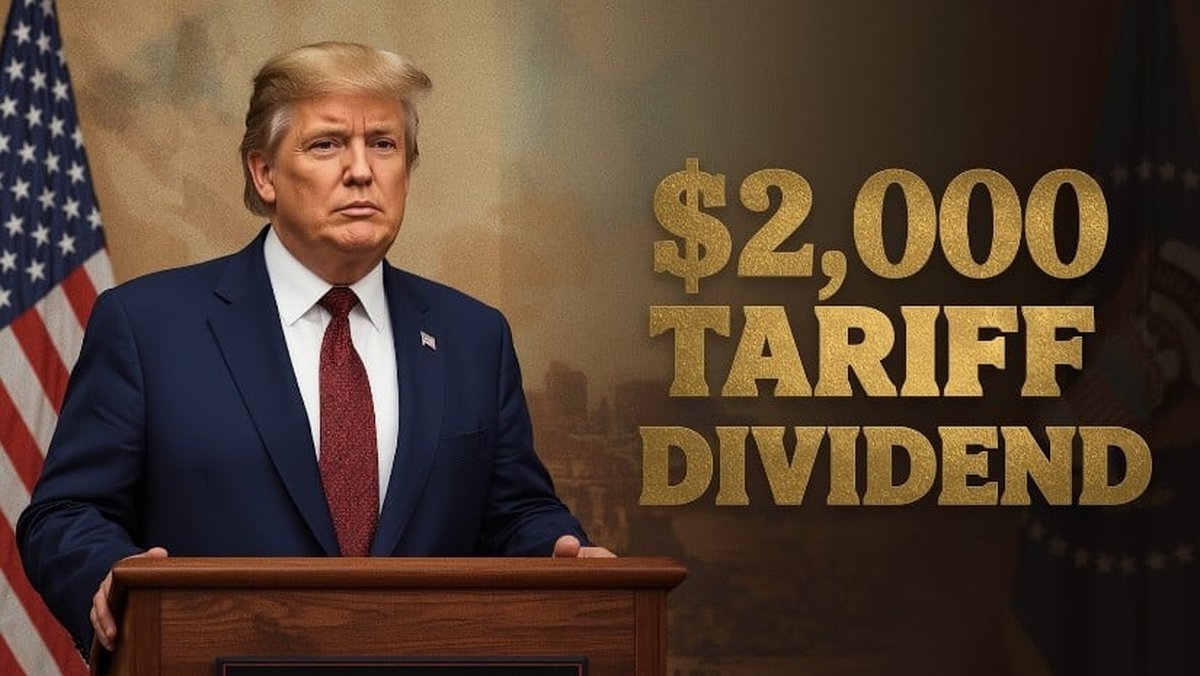
“Tariff Dividends” and Bitcoin: What a $2,000 Payout Idea Would Mean for Crypto, the Dollar, and Risk Assets
2025-11-10 14:50

“Tariff Dividends” and Bitcoin: What a $2,000 Payout Idea Would Mean for Crypto, the Dollar, and Risk Assets

President Trump floated sending Americans a $2,000 ‘tariff dividend’ funded by import duties. Markets twitched, crypto rallied briefly, and hot takes flooded in. But beneath the headlines are thorny realities: appropriation law, the arithmetic of tariff revenue, inflation pass-through, and second-order effects on the dollar and Bitcoin. We map the mechanics, size the impulse, and show how to translate policy noise into a trading plan.

Read more →
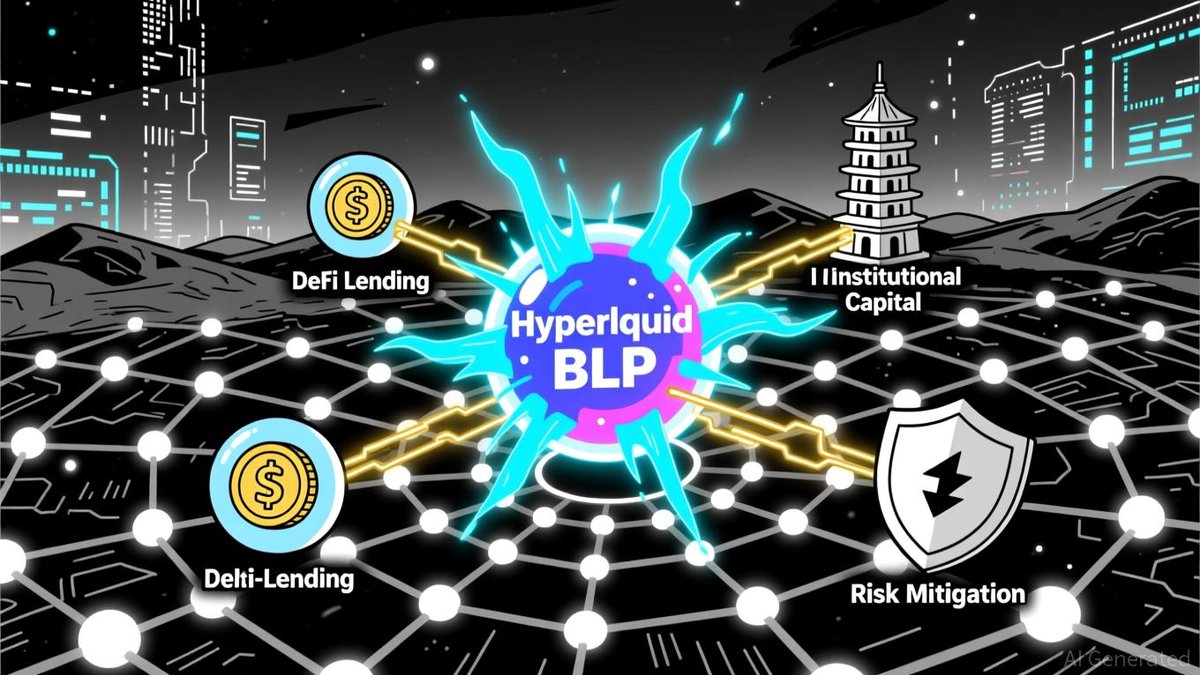
Hyperliquid’s ‘BLP’ on Hypercore Testnet: Why a Borrow–Lend Primitive Could Rewire Perps Liquidity (Plus the 24-Hour Macro & Market Heat Map)
2025-11-10 05:30

Hyperliquid’s ‘BLP’ on Hypercore Testnet: Why a Borrow–Lend Primitive Could Rewire Perps Liquidity (Plus the 24-Hour Macro & Market Heat Map)

Hyperliquid has begun testing a feature labeled “BLP” on its Hypercore testnet—widely interpreted as a borrow–lend primitive designed to sit next to its high-throughput derivatives engine. If BLP matures into production, it could reprice funding markets across the Hyperliquid stack and pull more passive liquidity on-chain. In the last 24 hours, U.S. policy chatter, a tentative end to the government shutdown, further institutional positioning, and L1/L2 roadmap updates added crosswinds. We break down what BLP might be, how it could work, and what the broader tape is signaling.

Read more →
Tether Quietly Adds ~$1B in Bitcoin: What a Mid-Quarter Purchase Signals About Reserves, Risk, and the Next Leg for Crypto Liquidity
2025-11-09 08:15

Tether Quietly Adds ~$1B in Bitcoin: What a Mid-Quarter Purchase Signals About Reserves, Risk, and the Next Leg for Crypto Liquidity

Amid a risk-off tape and repeated breaks below the $100k psychological level, Tether reportedly moved roughly $1B into Bitcoin, lifting its on-chain BTC reserves toward ~80k coins by some tracker estimates. The buy departs from Tether’s usual end-of-quarter cadence tied to its 'up to 15% of net profits' allocation policy, raising fresh questions—good and hard—about stablecoin reserve construction, liquidity buffers, and how much marginal BTC demand actually comes from inside the crypto economy rather than new external capital.

Read more →

Monad’s Mainnet Moment: Can an EVM-Parallel L1 Actually Hit 10,000 TPS?
2025-11-09 07:00

Monad’s Mainnet Moment: Can an EVM-Parallel L1 Actually Hit 10,000 TPS?

Monad, an EVM-compatible Layer-1 touting optimistic parallel execution and sub-second finality, is set to launch public mainnet alongside its token generation event. With a widely watched airdrop and an ambitious 10,000 TPS claim, the project is positioned as a high-throughput alternative that still speaks Solidity. We unpack what the tech really promises, what the airdrop signals about community design, and the risks that come with parallelizing the EVM.

Read more →
Wall Street Blinks, Main Street Believes: Gold’s $4K Standoff and the Psychology Behind the Divergence
2025-11-08 21:00

Wall Street Blinks, Main Street Believes: Gold’s $4K Standoff and the Psychology Behind the Divergence

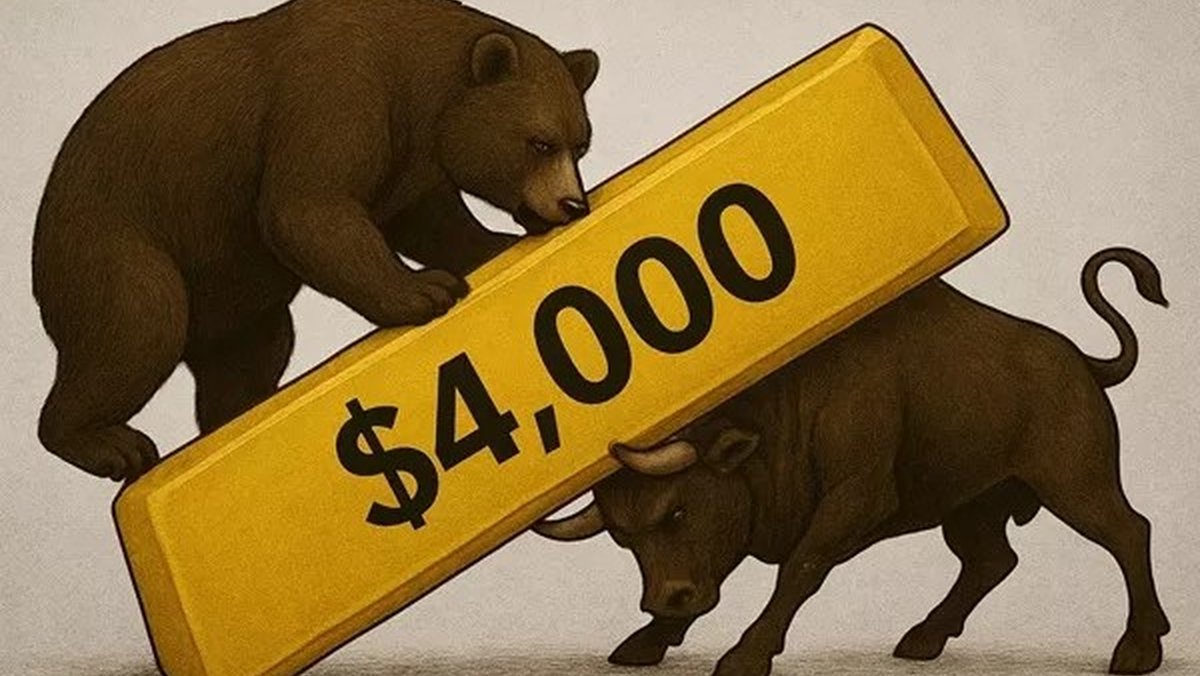
Gold’s run to (and through) $4,000 has split opinion: many sell-side strategists have shifted to neutral, while retail investors remain stubbornly bullish. We audit the facts, explain why the divergence persists, and map what must happen for the metal to either consolidate into a durable uptrend or unwind back toward fair value. Along the way we clean up common misstatements and anchor the analysis with data on central-bank buying, ETF flows, positioning, and macro catalysts.

Read more →
93% of the World Is Still Out of Crypto: What That Really Means—and What Must Change
2025-11-08 19:00

93% of the World Is Still Out of Crypto: What That Really Means—and What Must Change

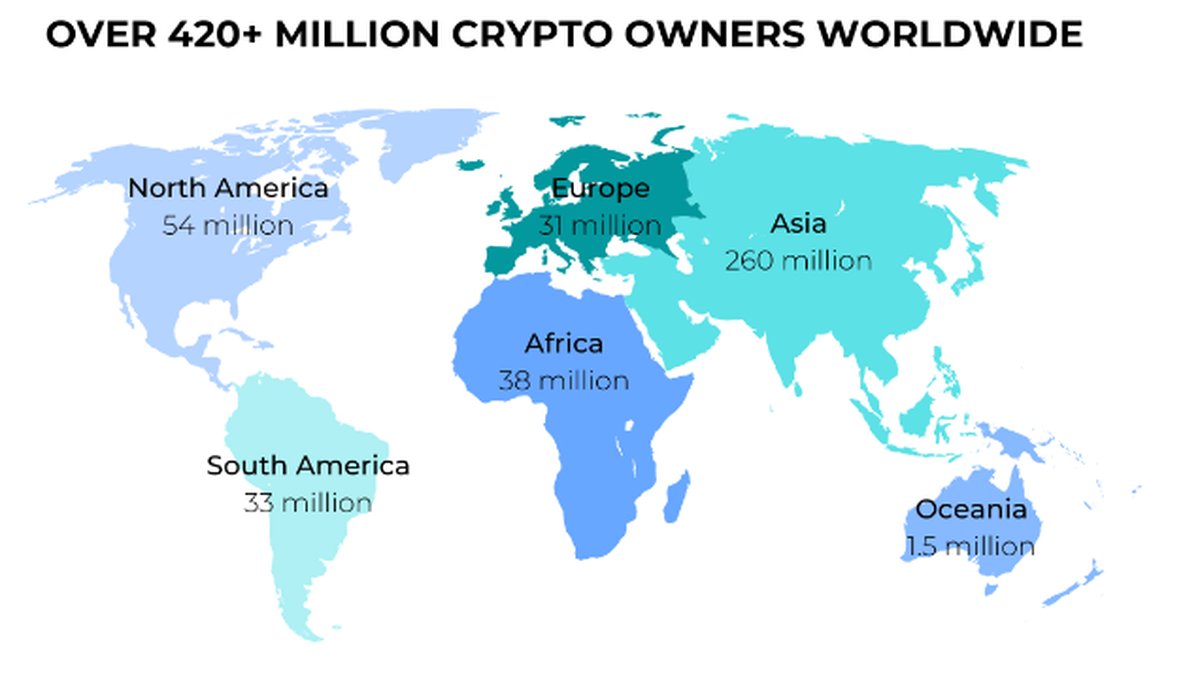
Despite a decade of breakthroughs, only ~6.8–6.9% of the global population owned crypto in 2024—roughly 560 million people—leaving about 93% on the sidelines. That gap is not just about price cycles; it reflects trust, usability, compliance frictions, and unclear everyday utility. We unpack the data, stress-test popular narratives, fact-check circulating claims, and offer a practical roadmap for builders and allocators targeting the next billion users.

Read more →
Charles Hoskinson Says Bitcoin Can Hit $250K: We Fact-Check the Claims and Map the Road to a $10T Market Cap
2025-11-08 13:30

Charles Hoskinson Says Bitcoin Can Hit $250K: We Fact-Check the Claims and Map the Road to a $10T Market Cap

Cardano founder Charles Hoskinson recently argued that Bitcoin could run to $250,000 this cycle—and ultimately reach a $10 trillion market cap—as sovereign and institutional demand deepens and DeFi activity migrates onto Bitcoin rails. We verify the claims, benchmark them against on-chain and macro data, and lay out path-dependent scenarios (bull, base, bear) that separate headline optimism from capital-structure reality.

Read more →
Bitwise Files Form 8-A for a Spot DOGE ETF: What a Real Listing Path Looks Like—and What It Would Mean for Liquidity, Indexing, and Risk
2025-11-08 00:15

Bitwise Files Form 8-A for a Spot DOGE ETF: What a Real Listing Path Looks Like—and What It Would Mean for Liquidity, Indexing, and Risk

Bitwise has filed Form 8-A for a spot DOGE ETF—a procedural step that, in context, signals a serious push to list Dogecoin exposure on a national securities exchange. Beyond the headline, we unpack how 8-A interacts with S-1 and 19b-4 approvals, what a cash-creation design would mean for spreads and premiums, and why a memecoin ETF challenges assumptions about price discovery. We also wrap the last 24 hours of crypto and macro headlines and translate them into positioning guidance.

Read more →
How MicroStrategy Plans to Restart Global Bitcoin Buying: Inside the STRC & STRE Twin Preferreds and the New Treasury Machine
2025-11-07 20:30

How MicroStrategy Plans to Restart Global Bitcoin Buying: Inside the STRC & STRE Twin Preferreds and the New Treasury Machine

After throttling purchases as its market NAV premium compressed, MicroStrategy is preparing a new phase of Bitcoin accumulation funded by twin perpetual preferred lines: a euro tranche (STRE) at 10% and a dollar tranche (STRC) at 10.5%. The design seeks to capture non-maturity, income-seeking capital from both sides of the Atlantic, recycle it into BTC, and scale taps when the preferreds trade above par. We unpack how this engine might reignite global buy pressure, and the risks that could stall it.

Read more →
US Spot Bitcoin ETFs Bled $2B in a Week—the Second-Worst Stretch on Record. Is This Capitulation or a Rotation?
2025-11-07 11:30

US Spot Bitcoin ETFs Bled $2B in a Week—the Second-Worst Stretch on Record. Is This Capitulation or a Rotation?

Six straight days of net redemptions drained over $2B from US spot Bitcoin ETFs, the second-worst sequence since February 2025. BTC slid to the ~102,994 level amid a stronger dollar and policy uncertainty. ETH funds also saw ~$1.2B exit, while a new Solana ETF attracted $294M since launch—including a seventh consecutive day of inflows. We unpack the plumbing: how ETF outflows translate into spot selling, why dollar strength and court-driven tariff jitters matter, what a rotation into SOL might be signaling, and three scenarios for the next 30–60 days.

Read more →
If Google Puts Prediction Markets in the Search Box: What Polymarket Integration Could Mean for Price Discovery, Regulation, and Crypto Rails
2025-11-07 05:30

If Google Puts Prediction Markets in the Search Box: What Polymarket Integration Could Mean for Price Discovery, Regulation, and Crypto Rails

Google is reportedly partnering with Polymarket to surface real-money prediction signals directly in Search. That single UX choice could normalize markets-as-information for hundreds of millions of users—while raising hard questions about data quality, manipulation, and regulation. We unpack the mechanics, the legal pressure points, and the investable second-order effects across oracles, stablecoins, and tokenized T-bill rails—then tie in the past 24 hours of market-moving headlines from equities to DeFi.

Read more →
Bitcoin’s Rare Decoupling From the S&P 500: Oversold Rubber-Band Setup or a Trap?
2025-11-06 22:00

Bitcoin’s Rare Decoupling From the S&P 500: Oversold Rubber-Band Setup or a Trap?

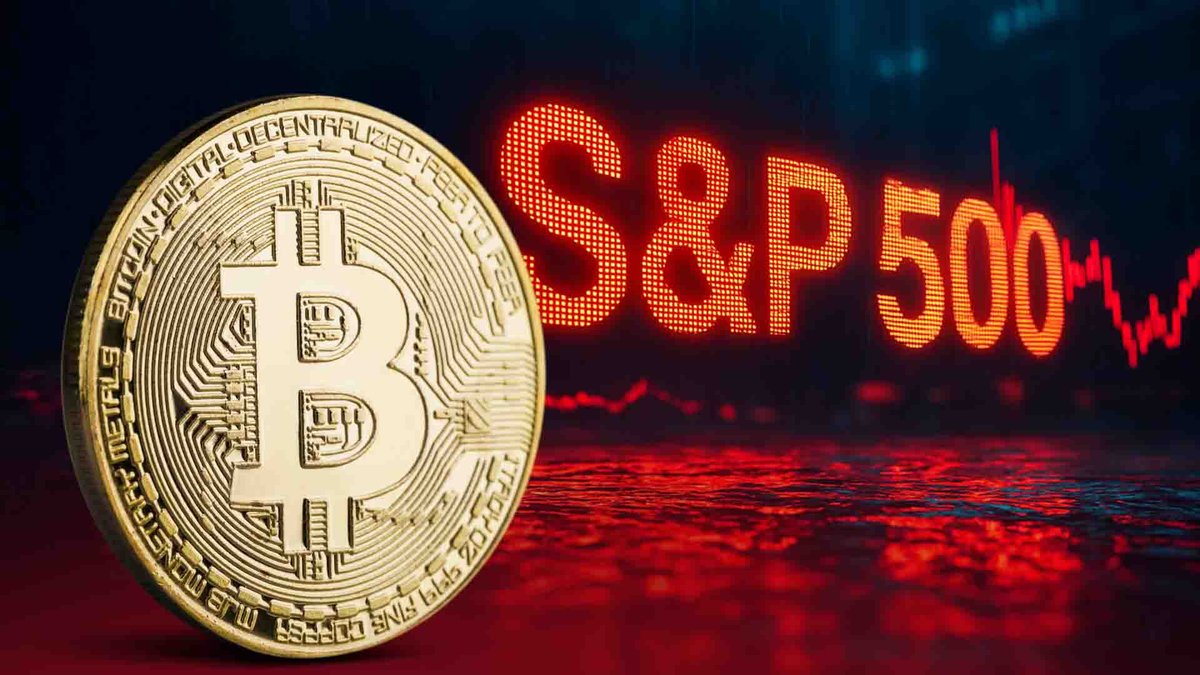
Santiment flags a rare short-term decoupling: while the S&P 500 eased ~1.6% this past week, Bitcoin slid ~12%. The analytics firm frames this as an oversold 'rubber-band' stretch with bounce potential. We go beyond the headline, testing the decoupling in macro, flow, and microstructure terms—and lay out a checklist for distinguishing a tradable mean reversion from a regime break.

Read more →
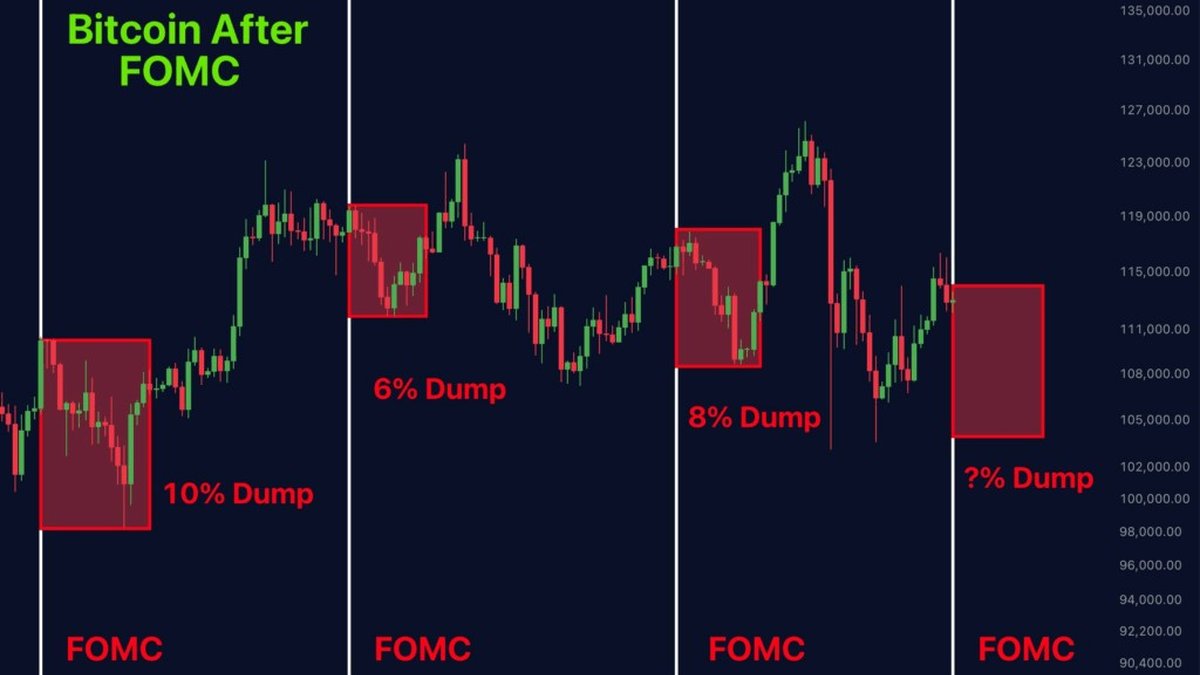
After the Fed: Why Bitcoin Often Dips, Then Rips — Signal, Seasonality, or Just Pareidolia?
2025-11-06 20:12

After the Fed: Why Bitcoin Often Dips, Then Rips — Signal, Seasonality, or Just Pareidolia?

A recurring market folklore says Bitcoin pulls back 5–8% immediately after a Fed decision, shakes out leverage, and then pushes to fresh highs. With BTC sliding roughly 9% from a recent peak around 104k overnight, investors wonder if the script is about to replay. We unpack the mechanics behind the post-FOMC pattern, identify the real drivers (volatility term structure, dealer positioning, basis and funding, and fiat inflows), and define objective checkpoints that distinguish a healthy reset from the start of a downtrend.

Read more →
A $1 Trillion Evaporation: Crash Anatomy, Deleveraging vs. Downtrend — and How to Tell the Difference
2025-11-06 17:30

A $1 Trillion Evaporation: Crash Anatomy, Deleveraging vs. Downtrend — and How to Tell the Difference

Since Oct 6, over $1 trillion in crypto market value has vanished. More than 440k traders were liquidated in a single day, with reports citing tens of billions in long-side liquidations. Is this simply a violent deleveraging that resets risk, or the opening chapter of a cyclical downtrend? We map the mechanics behind the drawdown, lay out a forward-looking playbook, and define objective tripwires that separate short-lived relief from a winter that bites.

Read more →
A $105k Fee to Move $10: What the 0.99 BTC Kraken Deposit Teaches Us About Bitcoin’s Fee Market
2025-11-07

A $105k Fee to Move $10: What the 0.99 BTC Kraken Deposit Teaches Us About Bitcoin’s Fee Market

A single Bitcoin deposit to Kraken reportedly paid a 0.99 BTC fee—roughly $105,000—for a ~$10 transfer. Beyond the shock value, the incident is a live-fire case study in how Bitcoin fees actually work, why UX missteps can be catastrophically expensive, when (and how rarely) miners return mistaken fees, and what governance controls serious traders should put in place. We dissect the mechanics, outline a hardening checklist for retail and institutions, and model the probability-weighted outcomes from pleas for refunds to the lessons this teaches about crypto’s maturation.

Read more →