What Actually Happened—and Why It’s More Than a Headline
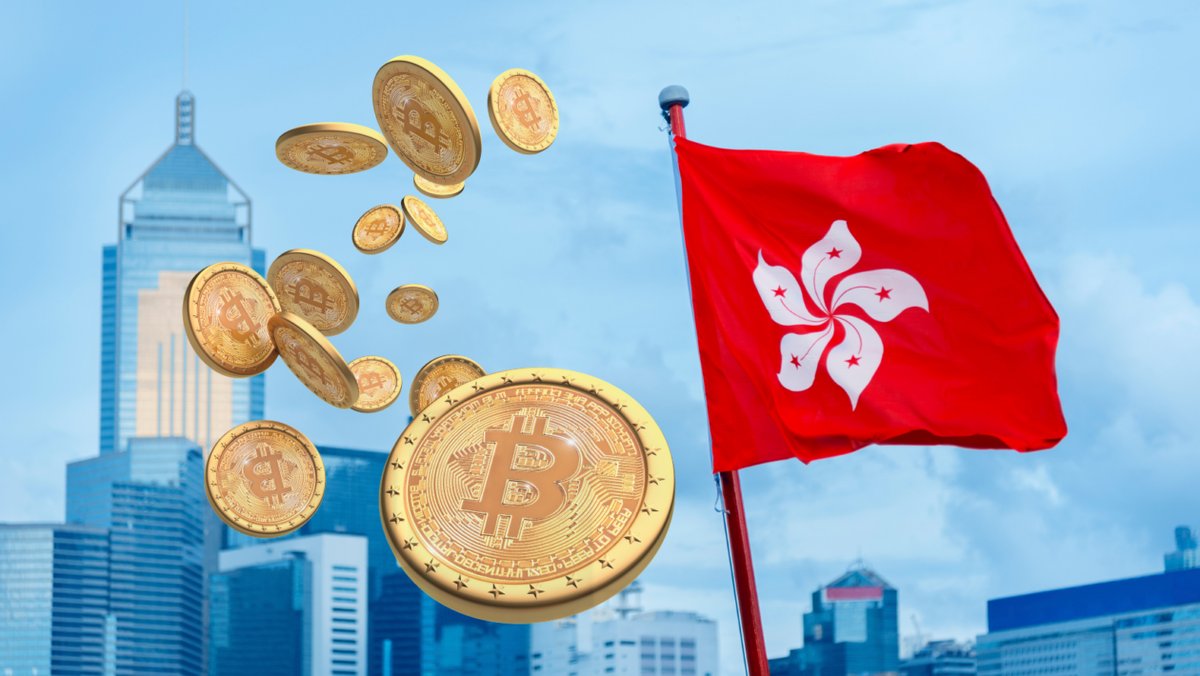
Hong Kong’s government (HKSAR) has completed its third issuance of tokenized green bonds, around HK$10 billion in total, denominated across HKD, USD, EUR, and RMB. The authorities also highlighted a step-change in settlement—piloting tokenized central-bank money for both RMB and HKD legs, a crucial experiment in eliminating cash-leg risk in on-chain primary issuance. This latest deal follows a February 2024 multi-currency sale (HK$6B equivalent) that already put Hong Kong on the short list of jurisdictions that have taken tokenized sovereign debt beyond a press release and into production.
These are not boutique proof-of-concept tickets. The 2024 tranche split proceeds across HK$2B, RMB1.5B, USD200M and EUR80M, with a consortium of banks and infrastructure providers integrating on-chain register, settlement, and lifecycle events. With the third deal now sized around US$1.3B-equivalent and explicitly layering in tokenized central bank money, the arc is clear: Hong Kong is operationalizing a repeatable digital debt workflow in multiple currencies, with official-sector rails.
Tokenized Bonds Are a Market-Structure Story, Not Just a Crypto Story
It’s tempting to view tokenized sovereigns as a tangential curiosity to crypto markets. That’s a mistake. If an issuer can mint a bond natively on-chain, keep its register on-chain, and settle cash legs with tokenized central-bank liabilities, then the entire collateral lifecycle—from repo to securities lending to margin—can be ported to a programmable ledger. In practical terms, this accomplishes four things:
1. Shorter settlement cycles and composable workflows. Coupon payments, corporate actions, and re-hypothecation can be encoded and verified on-ledger, reducing reconciliation friction, especially across time zones.
2. Real-time finality for collateral. If cash legs are in tokenized central-bank money (rather than commercial bank tokens), settlement risk compresses, and capital can turn over faster.
3. Multi-currency by design. Hong Kong’s multi-currency issuance aligns with how treasurers actually budget liabilities and how cross-border funds hedge exposures. Multi-currency tokenization is not a gimmick; it’s a way to unlock global distribution.
4. Regulated touchpoints for crypto-adjacent flows. Once banks and AMs treat on-chain government bonds as normal collateral, the step to interacting with tokenized money-market funds and select stablecoins becomes smaller.
Why the Cash-Leg Matters: Tokenized Central-Bank Money vs. Stablecoins
Most tokenization pilots stumble on the cash leg. Paying for a security with a commercial-bank stablecoin risks intraday settlement mismatches and bank credit exposure. Hong Kong’s iteration is notable because the authorities piloted tokenized RMB and HKD as settlement assets for the primary leg—functionally a wholesale CBDC application. That reduces counterparty risk and nudges the market away from synthetic cash toward public money on-chain. It’s a design choice that will resonate with bank CFOs and risk officers.
Does this make stablecoins obsolete? Not at all. Stablecoins retain clear advantages for retail and cross-border flows. The likely end-state is a tiered cash stack: wholesale settlement in tokenized central-bank money where available; tokenized money-market fund (MMF) tokens for treasury operations; and fiat-backed stablecoins for open-loop payments. The direction of travel is visible in regional initiatives where banks are listing tokenized MMF tokens and allowing conversion against regulated stablecoins for treasury use-cases—an institutional bridge between regulated yield and programmable cash. ([Reuters][1])
Hong Kong’s Tokenization Playbook Is Getting Broader
The bond program sits alongside the HKMA’s Project Ensemble, a sandbox to co-create tokenized deposit and settlement standards with global banks and tech vendors. That’s the right lever: tokenization needs interoperable standards as much as legal certainty. With the 2024 issuance already demonstrating the feasibility of multi-currency tokenized sovereigns and this year’s deal upgrading the cash leg, the city is graduating from pilot theater to market infrastructure.
Meanwhile, asset managers are deepening tokenization programs across Asia. One high-profile collaboration saw a major bank list a tokenized U.S. government MMF alongside a compliant U.S. dollar stablecoin, with pathways to use the MMF token as collateral. While that integration launched in Singapore, the playbook is portable and signals where Hong Kong’s markets may be headed as regulators greenlight more tokenized fund distribution. ([Reuters][1])
Why Crypto Natives Should Care
If you trade crypto, why should you care about governments issuing on-chain bonds?
• Collateral gravity. The more regulated collateral that lives on-chain, the easier it becomes for exchanges, prime brokers, and custodians to build margin frameworks that acknowledge those assets. That can lower funding costs for crypto-native firms—if they operate on compliant rails.
• Liquidity routing. Tokenized sovereigns create arbitrage between traditional repo and on-chain repo/lending. Market-makers can fund inventories against on-chain sovereigns or tokenized MMFs while making two-sided markets in BTC, ETH, or tokenized RWAs.
• Better rails for ETFs and ETPs. If the backend for cash and collateral moves on-chain, crypto ETFs can reconcile creations/redemptions with fewer intermediaries. That won’t change fees overnight, but it will lower operational drag.
But Scale Needs Secondary Markets—Here’s the Hard Part
Primary issuance is only step one. For tokenized sovereigns to matter, the secondary market must be thick. That means:
1. Dealer commitments. At least a handful of dealers must quote firm two-way markets on-ledger, not just via off-chain RFQs with on-chain settlement.
2. Custody composability. Global custodians need policies to support on-chain transfer, pledge, and segregation events without defaulting to legacy sub-ledger workarounds. If every on-chain transfer requires a back-office override, liquidity will stay thin.
3. Interoperability bridges. If one tokenized bond settles on a permissioned chain A and repo happens on chain B, collateral mobility dies. Hong Kong’s advantage here is regulatory orchestration—its official sector can convene banks and vendors to converge on a practical baseline.
How the Latest Deal Compares With Hong Kong’s 2024 Issuance
Hong Kong’s February 2024 tokenized green bond already set precedents: HK$6B-equivalent placement across four currencies and robust lifecycle events on-chain. The 2025 follow-on ups the ante by incorporating tokenized central bank money in the cash leg and scaling size to roughly US$1.3B. In short: more currencies, more size, and a more sovereign-grade cash leg. Both are meant to be templates other issuers can reuse.
Implications for Stablecoins, MMFs and Crypto Liquidity
Let’s connect the dots:
• Tokenized MMFs as the gateway drug. Asset managers are increasingly issuing on-chain claims on traditional money market funds. Banks in Asia are listing these tokens and exploring their use as collateral. That gives treasurers a yield-bearing, regulator-friendly cash surrogate—potentially displacing a chunk of corporate stablecoin demand for treasury uses, while leaving retail and cross-border stablecoin use-cases intact. ([Reuters][1])
• Cleaner collateral for crypto primes. When a prime broker can accept a tokenized T-bill or a tokenized sovereign as margin and fund it in on-chain repo that settles in tokenized central-bank money, funding spreads compress. That’s how on-chain liquidity seeps into off-chain price discovery.
• ETF plumbing. If Hong Kong’s tokenization stack eventually supports regulated crypto ETP cash legs on-chain, creation/redemption friction drops. That matters for arbitrage bands and, indirectly, for spot-market liquidity.
Risks and Frictions We Shouldn’t Gloss Over
Despite the momentum, three categories of risk could stall progress:
1. Regulatory fragmentation. Hong Kong’s pro-tokenization posture is clear, but neighboring jurisdictions move at different speeds. Even within Hong Kong, different regulators (securities, banking, monetary) must keep rulebooks synchronized as products evolve.
2. Chain sprawl. Each syndicate or issuer favoring its own permissioned stack creates islands. Without standard messaging, identity attestations, and token standards across chains, collateral cannot flow cheaply.
3. Operational realism. True front-to-back digitization is hard. If coupon processing or corporate actions still require manual steps, back-office savings will be slower than promised, keeping dealers on the sidelines.
A Plausible Adoption Path (12–24 Months)
1. More sovereigns and quasi-sovereigns copy the template. Expect municipal/agency issuers to experiment with smaller, ESG-themed tokenized lines, re-using Hong Kong’s documentation and cash-leg playbooks.
2. Repo clears the way. The first scaled win will likely be on-chain repo against tokenized sovereigns and tokenized MMFs, handled by banks and tri-party agents used to collateral ops.
3. Prime brokers and OTC desks integrate limited accept lists. Crypto-adjacent primes begin to accept specific tokenized assets as collateral—initially with conservative haircuts—funding delta-neutral basis and inventory financing.
4. ETF cash legs stop pretending they’re off-chain. Regulated cash settlement for creations/redemptions migrates on-chain within controlled counterparty perimeters.
What to Watch From Here
• Who leads secondary-market making? We need named dealers quoting on-ledger. Without two-way markets, tokenized sovereigns remain buy-and-hold curiosities.
• Custodian functionality. Can global custodians automate pledge/release on-chain and keep auditors happy? That’s the bandwidth constraint today.
• Interoperability standards out of HKMA’s sandbox. If Project Ensemble yields reusable specs for tokenized deposits and settlement messaging, other jurisdictions may follow—or at least align to avoid fragmentation.
• Tokenized fund distribution in Hong Kong. Asset managers piloting tokenized MMFs (and possibly other tokenized funds) in Asia provide a template that Hong Kong distributors could adopt as the rulebook matures. ([Reuters][1])
My Take: How This Spills Into Crypto Cycles
Crypto price cycles still hinge on macro (rates/liquidity), retail flows, and ETF-driven capital. But the quality of institutional liquidity matters just as much as the quantity. Tokenized sovereigns and tokenized MMFs give banks and funds tools they understand—duration, credit boxes, haircut schedules—on-chain. That lowers the activation energy for traditional desks to fund crypto-adjacent inventories without rewriting their risk manuals.
Don’t expect an overnight causal chain—‘tokenized bonds up, BTC moon.’ Instead, watch for basis spreads to tighten and for prime financing terms to improve when collateral can move faster. That, in turn, supports healthier market-making in BTC/ETH and, eventually, in regulated RWAs and permissioned DeFi venues. Liquidity arrives first as better plumbing, and only later as bigger pipes.
Counterpoints Worth Taking Seriously
• Liquidity mirage. If most holders tuck tokenized sovereigns away in buy-and-hold mandates, secondary depth won’t materialize. That would blunt any knock-on benefits for crypto liquidity.
• Vendor lock-in. If each issuance strand is gated by a particular vendor stack, innovation slows and costs stay sticky. Open standards (and credible alternative vendors) are crucial.
• Policy regime shifts. Tokenization’s warm reception can cool if unrelated market events raise perceived crypto risk. Clear separation between tokenized TradFi and open crypto use-cases is both a feature and a political necessity.
Bottom Line
Hong Kong’s third tokenized green-bond sale scales size, complexity, and—critically—the cash leg via tokenized central-bank money. Together with multi-currency issuance and a maturing sandbox for tokenized deposits, the city is building a repeatable machine for on-chain finance. As banks and asset managers normalize tokenized sovereigns and tokenized MMFs, expect spillovers: tighter funding, more programmable collateral, and an eventual blending of ETF, RWA, and crypto-liquidity pipes. The challenge is coordination. The opportunity is to make institutional liquidity not just touch blockchains but actually live there. ([Reuters][1])