From Dollars To Hard Assets: What The New Highs In Gold, Silver And Platinum Signal For Crypto
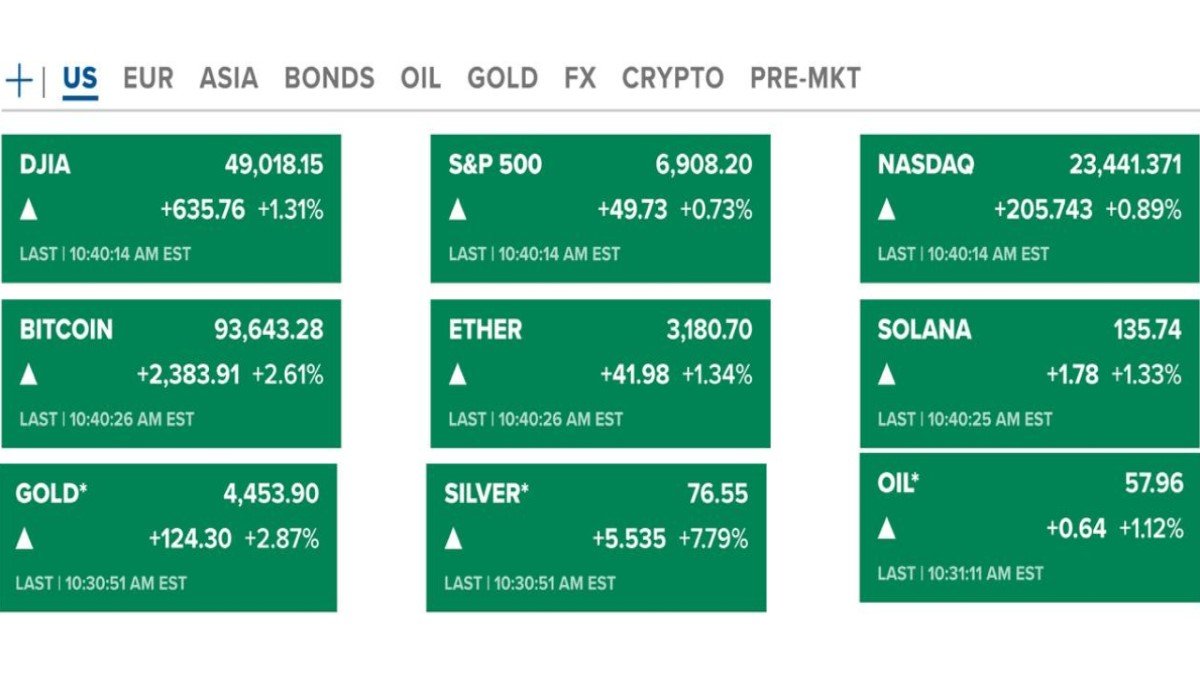
Gold above previous records, silver and platinum following in its wake, and a softening dollar index: taken together, these are not just lines on price charts. To many market observers they are a referendum on confidence in money itself. When investors turn away from cash and into tangible assets at this speed, they are expressing a view about inflation, purchasing power and the resilience of the financial system.
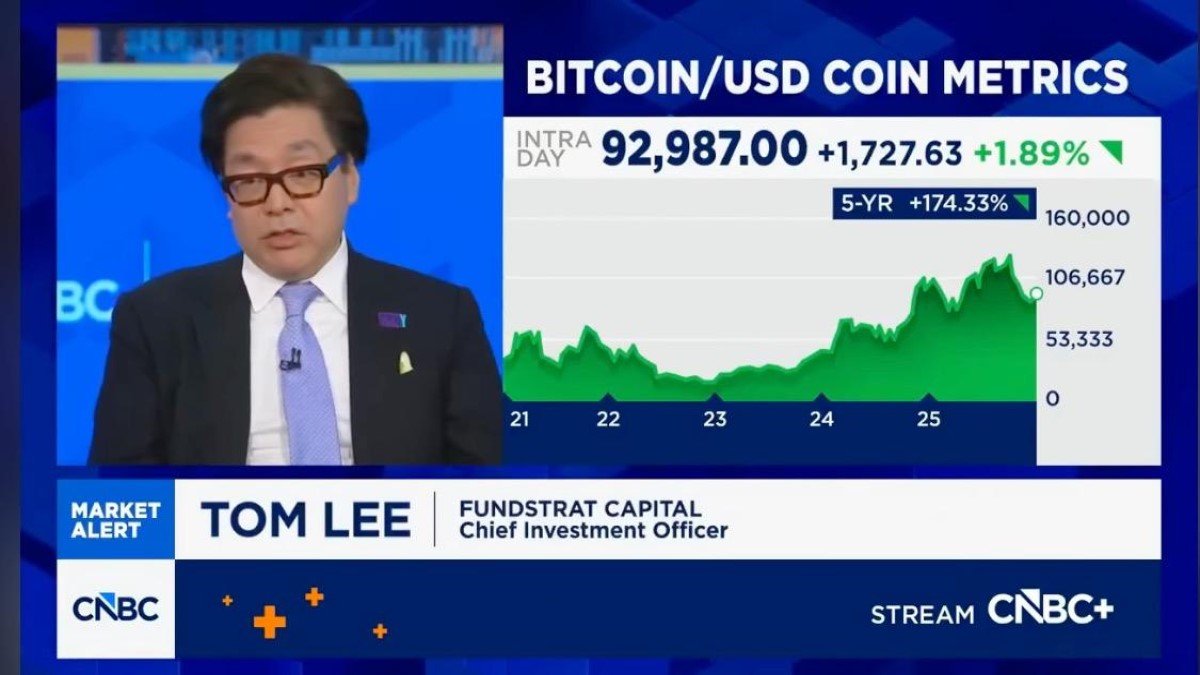
In recent months, flows into precious metals have accelerated as concerns about rising prices, public debt and political uncertainty have intensified. Some commentators even argue that the combination of surging precious-metal prices, stronger commodity indices and volatile currency markets could herald one of the most inflationary periods in modern United States history. At the same time, the crypto market has largely trailed behind this move. While hard assets set new records, many digital assets remain below their previous peaks, and new capital appears more comfortable parking in gold or silver than in Bitcoin or other crypto assets.
This divergence raises a natural question for the digital-asset community: is the current metals rally a prelude to a future rotation into Bitcoin, or does it signal a preference shift back toward traditional safe havens at the expense of crypto?
1. A Relentless Bid For Precious Metals
The starting point is the behaviour of the metals market itself. Gold, silver and platinum are all responding to a combination of macro forces:
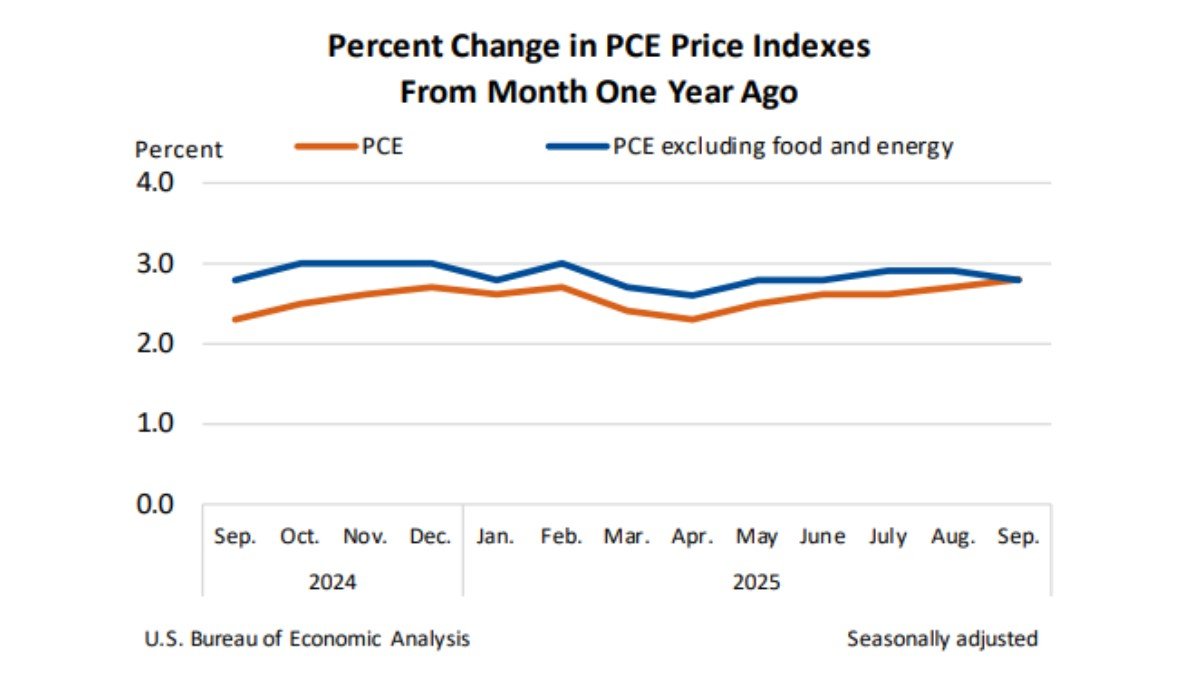
• Persistent inflation concerns. Even when headline inflation slows, underlying price pressures and long-term fiscal challenges keep investors cautious. Precious metals have a long history as stores of value in such environments.
• High government debt and questions about future policy. With public debt ratios at elevated levels, there is a widespread expectation that central banks may eventually tolerate higher inflation or keep real interest rates low to stabilise debt dynamics. That possibility makes assets with limited supply particularly attractive.
• Geopolitical and political uncertainty. Elections, trade tensions and shifting alliances all increase the appeal of globally recognised, politically neutral stores of value such as gold.
When these factors cluster together, metals often move in long, powerful trends. The current advance is especially notable because it is happening even as real interest rates have fluctuated. In earlier decades, higher real yields would typically cap gold, yet in today s environment, many investors seem willing to hold metals despite positive yields elsewhere, underlining the depth of their concerns about currency quality and systemic risk.
2. The Dollar Index Slides: Reading The DXY Signal
Parallel to the metals rally, the United States dollar index, commonly referred to as DXY, has dropped back toward its lowest closing levels since early October. A weaker dollar does two things at once:
- It mechanically lifts dollar-denominated commodity prices, because the same ounce of gold is priced in a cheaper unit of account.
- It also signals a shift in relative confidence. When global investors diversify away from the dollar, they are questioning the long-term return they expect from holding United States cash or bonds.
No single move in DXY proves that confidence has been permanently lost; currencies naturally fluctuate. However, when the dollar weakens at the same time that metals break records and commodity indices rise, the pattern begins to resemble a broader search for shelter outside of traditional cash instruments.
3. History s Echo: When Trust In Money Fades
Commentators often reach for historical analogies: the fall of the Roman Empire, the French Revolution, or the decline of the Spanish Empire. In these episodes, prolonged fiscal strain, political conflict and unsustainable monetary practices eroded trust in official currency. Citizens who had access to tangible assets such as land or precious metals were more insulated from the worst disruptions, while those holding only paper claims suffered large losses in purchasing power.
Of course, today s global economy is far more complex, and it would be simplistic to draw direct one-to-one comparisons. The modern financial system, with its capital markets, independent institutions and diversified economies, is not identical to the resource-based empires of previous centuries. Nevertheless, the underlying mechanism is similar: when people worry that currency units can be created faster than real wealth, they gravitate toward assets that cannot be expanded at will.
That behaviour has important distributional consequences. Individuals with limited savings often have little choice but to hold local currency, especially if they rely on cash wages or bank deposits. Wealthier households and institutions, by contrast, can diversify into metals, real assets and foreign currencies. Over time, such episodes can widen wealth gaps, precisely because different groups have very different access to protection tools.
4. A Broad Market Alarm Bell, Not Just A Metals Story
Some analysts go further and argue that when inflation-linked assets, commodity prices, sovereign bonds and foreign-exchange markets all move in the same direction, they are collectively signalling extreme inflation risk. Whether or not such claims about a two-hundred-and-fifty-year high in inflation turn out to be accurate, the reading is clear: the market is sending a warning that investors are not fully comfortable with the current policy trajectory.
Importantly, this is not only about short-term consumer prices. It is about the perceived long-term integrity of money and the institutions that manage it. Rising metals prices are visible symptoms; beneath them lies a deeper conversation about debt, demographics, productivity and political choices.
5. Why Crypto Has Lagged The Hard-Asset Boom
Given that Bitcoin is often described as digital gold, why has the crypto market not followed the same path as physical metals during this phase?
There are several overlapping explanations:
• Different investor base. The traditional metals market is dominated by central banks, institutions and long-term wealth-management strategies. Crypto still has a larger share of retail participants and funds with shorter time horizons, making it more sensitive to sentiment and regulation.
• Regulatory overhang. Ongoing policy debates, changing rules for exchanges and taxable treatment of digital assets create an additional layer of uncertainty that does not exist for gold bars or silver coins.
• Post-cycle risk aversion. After a previous cycle with sharp price swings and high-profile failures in parts of the crypto ecosystem, many new investors are understandably cautious. For those just starting to hedge inflation risk, buying gold or silver feels more familiar than learning about wallets, private keys and on-chain transfers.
• Competition from technology equities. At the same time that metals have been rallying, large technology companies exposed to artificial-intelligence themes have also attracted significant capital. For many investors, these equities combine growth expectations with the comfort of traditional market structures.
The result is a curious configuration: metals and select equities are leading, while a significant part of the digital-asset space is still consolidating. For crypto advocates, this is both frustrating and promising. Frustrating, because a supposedly inflation-sensitive asset class has not yet fully reflected the macro narrative; promising, because under some scenarios, a later rotation of capital could still occur.
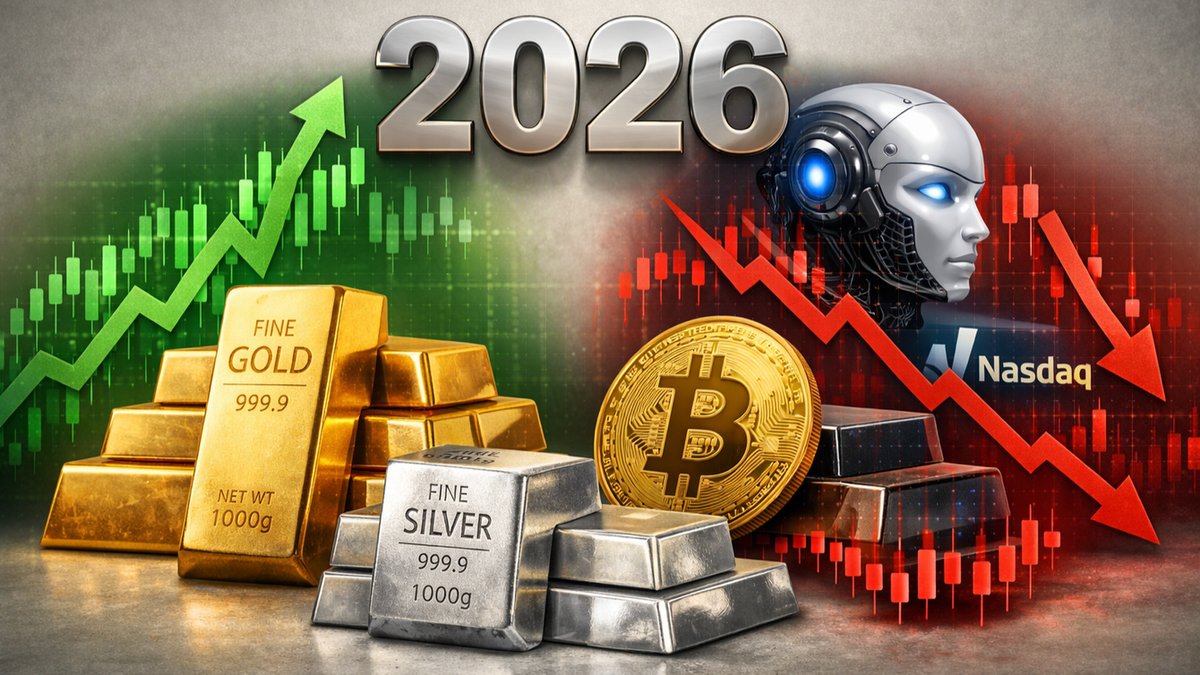
6. Could The Metals Rally Precede A Crypto Rotation In 2026?
Many voices within the crypto community speculate that a powerful advance in gold and silver could eventually spill over into renewed interest in Bitcoin. The logic is straightforward:
- First, investors seeking protection from currency debasement buy the most familiar hedge: gold, sometimes accompanied by silver or platinum.
- As these markets become crowded and price moves slow, a subset of investors starts to look for alternative stores of value with higher potential upside but also higher risk.
- At that stage, Bitcoin and other carefully selected digital assets enter the conversation as complementary holdings, particularly for those with a longer time horizon and higher tolerance for volatility.
In this scenario, the metals rally functions as a kind of gateway. It familiarises a new cohort of investors with the idea that diversifying out of cash can be rational. Once they reach that point, some may be more open to allocating a modest portion of their portfolio to digital assets, especially if regulatory clarity improves and market infrastructure matures.
However, a rotation into crypto is not guaranteed. Several alternative paths are possible:
- If inflation pressures ease and policy makers manage a credible stabilisation of public finances, demand for both metals and crypto could cool as investors return to traditional fixed-income instruments.
- If regulatory frameworks become significantly stricter for digital assets while remaining neutral or supportive for metals, capital could remain concentrated in the latter.
- If the global economy enters a deeper downturn, some investors might prioritise liquidity and capital preservation, favouring cash and high-quality bonds even in the face of long-term inflation risk.
The key takeaway is that macro conditions will likely decide whether 2026 becomes a new super-cycle for crypto or a period of extended consolidation. Hard-asset prices provide important clues, but they are only one piece of the puzzle.
7. Reading The Signals Without Overreacting
For individual participants, the challenge is to interpret these developments without falling into extremes of fear or euphoria. A few practical reflections can help frame the discussion in a balanced way:
• Metals highs are a signal, not a verdict. New records in gold, silver and platinum reflect legitimate concerns about inflation and policy, but they do not automatically imply the end of a currency or system. Policy responses can still alter the trajectory.
• Crypto is one of several possible responses to monetary uncertainty. Some investors will prefer tangible metals; others will look to real estate, inflation-linked bonds, foreign currencies or carefully chosen digital assets. There is no single correct answer for everyone.
• Time horizon matters. Over short periods, any of these assets can be volatile. The role they play in a portfolio depends on whether the goal is near-term stability, long-term preservation of purchasing power, or growth.
• Diversification still has value. Concentrating entirely in any one hedge, whether gold or a single digital asset, exposes investors to idiosyncratic risks. A mix of assets and careful position sizing can help manage uncertainty.
8. What To Watch Next
Looking ahead, several indicators can help gauge whether capital might begin to flow more aggressively from metals into crypto or into other asset classes:
• Real interest rates and inflation expectations. If real yields remain deeply negative while inflation expectations stay elevated, the case for scarce assets of many kinds, including Bitcoin, remains strong.
• Policy communication from central banks and governments. Clear, credible strategies for managing debt and inflation could stabilise confidence in fiat currencies; ambiguous or inconsistent messaging may sustain demand for hedges.
• Regulatory clarity for digital assets. A transparent, predictable framework can make it easier for institutions and individuals to treat Bitcoin and other assets as part of a long-term allocation rather than a speculative trade.
• Relative performance between metals, technology equities and crypto. Changes in leadership among these groups often reveal shifts in investor narratives about growth, safety and innovation.
9. Conclusion: Hard Assets, Digital Assets And The Search For Resilient Wealth
The current surge in gold, silver and platinum is more than a technical pattern. It expresses rising concern about inflation, currency value and the long-term direction of the global financial system. A softer dollar index reinforces that message: investors are quietly diversifying their definition of safe assets.
Crypto has not yet fully joined this rally. That may reflect caution after past volatility, regulatory uncertainty, or simply the enduring comfort of holding something people can see and touch. Whether 2026 brings a major rotation from metals into Bitcoin will depend on how macro conditions evolve and how convincingly the digital-asset ecosystem can demonstrate resilience, transparency and responsible risk management.
What seems clear is that the world is entering a period in which questions about money, value and trust are back at the centre of public debate. In that environment, both hard assets and carefully evaluated digital assets will likely continue to play important roles. The challenge for each participant is not to guess every short-term price move, but to understand the forces shaping this transition and to build a framework that reflects their own objectives, constraints and tolerance for uncertainty.
Disclaimer: This article is for educational and analytical purposes only and does not constitute investment, legal or tax advice. Digital assets, precious metals and other financial instruments involve risk and may not be suitable for every investor. Always conduct your own research and consider consulting a qualified professional before making financial decisions.