Security Tokens vs Utility Tokens: Understanding SEC Classification
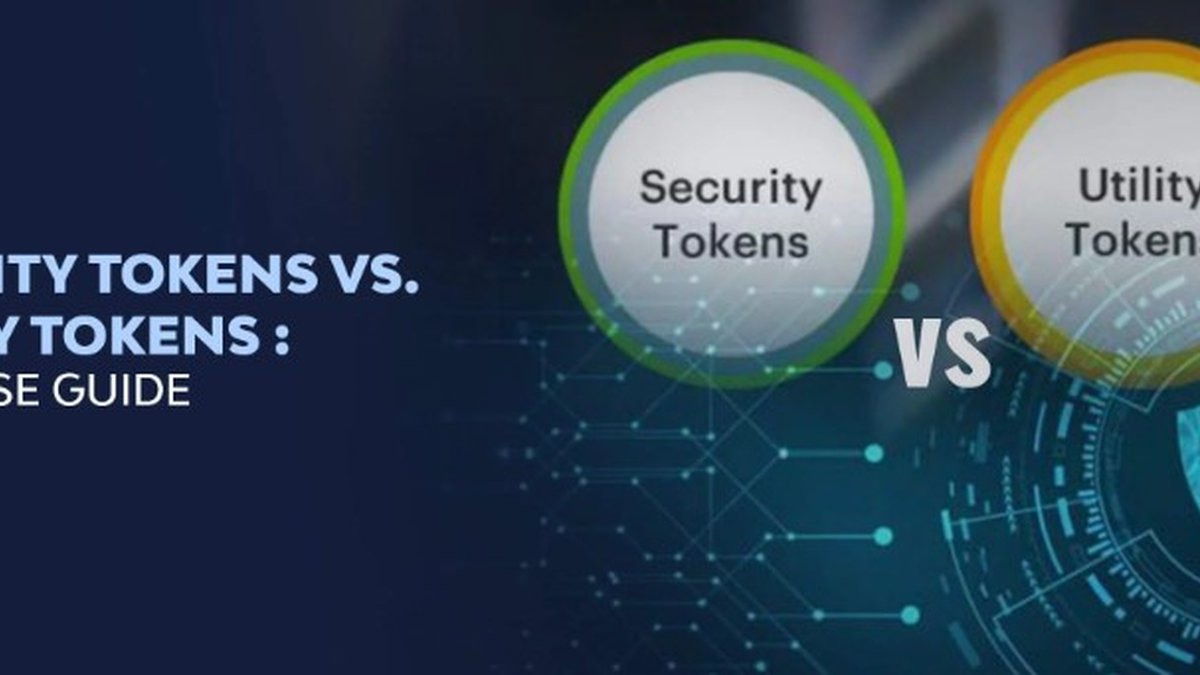
As the crypto industry matures, one of the most debated topics is the classification of tokens. Are they securities subject to strict regulation, or utilities that fuel decentralized ecosystems? The answer matters not only to regulators but also to investors, developers, and the future trajectory of blockchain innovation.
Defining Security Tokens
Security tokens are digital representations of traditional financial instruments such as equity, debt, or ownership in real-world assets. They are designed to comply with securities laws and provide investors with rights such as profit-sharing, dividends, or voting power. In essence, they bring blockchain efficiency to traditional investment vehicles.
Examples of Security Tokens
- Tokenized equity shares of private companies
- Real estate-backed digital tokens
- Debt instruments or bonds issued on blockchain
Defining Utility Tokens
Utility tokens, on the other hand, grant access to a product or service within a blockchain ecosystem. They are not intended as investments but as functional tools—like gas fees on Ethereum or governance tokens in decentralized applications. While they can appreciate in value, their primary purpose is usability rather than profit.
Examples of Utility Tokens
- ETH (used to pay for smart contract execution)
- BNB (utility for Binance ecosystem)
- UNI (governance for Uniswap protocol)
The SEC’s Framework
The SEC applies the Howey Test to determine whether a token qualifies as a security. Factors such as investor expectations, centralization of efforts, and marketing claims play a significant role. Importantly, even utility tokens can be deemed securities if they are marketed as investment opportunities.
Key Differences
| Feature | Security Token | Utility Token |
|---|---|---|
| Purpose | Investment | Access/Functionality |
| Regulation | Strict SEC oversight | Minimal, unless misclassified |
| Investor Rights | Dividends, voting, profit-sharing | Access to services, governance |
| Examples | Tokenized real estate, equities | ETH, UNI, BNB |
Implications for Founders
For founders, classification affects how tokens can be launched, marketed, and traded. Security tokens require registration or exemptions, detailed disclosures, and strict custody requirements. Utility tokens, while less regulated, still require careful communication to avoid SEC scrutiny.
Risks of Misclassification
- Heavy fines or lawsuits from the SEC
- Delisting from major exchanges
- Loss of investor trust
Investor Considerations
Investors should evaluate tokens not just by their utility but by how regulators might perceive them. Security tokens may offer stability and legal protections but come with limited liquidity. Utility tokens may provide flexibility but carry greater regulatory risks if misclassified.
Case Studies
- Ripple (XRP): Though argued to be a utility, the SEC alleged it was sold as an unregistered security.
- Filecoin: Structured its fundraising as a regulated securities offering to avoid issues.
- Ethereum: Initially raised concerns but was later deemed sufficiently decentralized to be considered a utility.
Future Outlook
The line between security and utility tokens is likely to blur further as hybrid models emerge. Regulatory clarity—through new legislation or guidance—will play a key role in shaping innovation. Projects that proactively align with compliance may enjoy long-term growth, while those ignoring the rules risk extinction.
Conclusion
Understanding the SEC’s classification of tokens is not just legal jargon; it is a survival skill for projects and a risk management strategy for investors. As the industry matures, security tokens and utility tokens will coexist, each serving distinct roles. The winners will be those who balance innovation with compliance, delivering real value without running afoul of regulators.
Further Reading and Resources
Altcoins | Market | Crypto Exchanges
Frequently Asked Questions
What is the difference between security and utility tokens? Security tokens are investments subject to SEC laws, while utility tokens provide access or functionality within an ecosystem.
Can a utility token become a security? Yes, if marketed as an investment with profit expectations, even a utility token can be treated as a security.
Which is safer to invest in? Security tokens provide legal protections but limited liquidity. Utility tokens offer more flexibility but carry regulatory risks.
What does the future hold? Hybrid models combining utility and security features may dominate, alongside clearer regulations shaping how tokens are classified.