
SEC-Approved Crypto ETFs: Progress and Prospects
The approval of crypto exchange-traded funds (ETFs) by the U.S. Securities and Exchange Commission (SEC) marks a defining moment in the financial industry. For years, investors and institutions alike had waited for regulatory clarity around crypto-linked investment vehicles. Today, SEC-approved crypto ETFs are not only reshaping how traditional markets view digital assets but also setting the stage for mainstream adoption at an unprecedented scale. This article provides a deep dive into the progress made so far, the challenges ahead, and the broader implications for investors, regulators, and the global financial system.
Understanding Crypto ETFs
A crypto ETF operates similarly to traditional ETFs: it allows investors to gain exposure to an underlying asset—in this case, cryptocurrencies—without the need to directly hold or manage the digital assets themselves. This model bridges the gap between traditional finance and blockchain-based innovation. By wrapping crypto into an ETF structure, the SEC provides a regulatory framework that can offer greater investor protection, liquidity, and ease of access compared to direct crypto ownership.
Types of Crypto ETFs
- Spot Bitcoin ETFs: Directly hold Bitcoin and track its market price. These ETFs are particularly significant because they provide regulated access to the largest cryptocurrency.
- Futures-Based ETFs: Invest in Bitcoin or Ethereum futures contracts rather than the underlying asset, reflecting price expectations rather than spot values.
- Basket or Diversified ETFs: Include multiple crypto assets or combine crypto with blockchain equities, offering diversified exposure.
Historical Progress Toward Approval
The road to SEC approval was long and contentious. Initial applications for Bitcoin ETFs were repeatedly rejected due to concerns over market manipulation, liquidity, and inadequate investor safeguards. However, the growth of institutional custody solutions, the maturation of futures markets, and heightened demand from asset managers gradually shifted the regulatory stance.
By 2024, the SEC approved the first spot Bitcoin ETF, opening the floodgates for a wave of applications from major firms such as BlackRock, Fidelity, and Grayscale. This milestone legitimized crypto as a mainstream asset class and marked the beginning of a new investment era.
Key Features of SEC-Approved Crypto ETFs
Transparency and Reporting
Unlike unregulated exchanges, SEC-approved ETFs must adhere to strict reporting standards, ensuring accurate disclosure of holdings, risks, and performance. This transparency is vital for building trust with both retail and institutional investors.
Liquidity and Market Access
Crypto ETFs trade on regulated exchanges like NASDAQ and NYSE, giving investors access through familiar brokerage accounts. This ease of access reduces barriers to entry and enhances market liquidity.
Custody and Security
One of the most critical aspects is institutional-grade custody. By requiring secure storage of crypto assets with licensed custodians, the SEC addresses concerns about conducting a security breach, loss, and mismanagement that have plagued the industry.
Use Cases and Investor Benefits
- Retirement Accounts: Investors can now include crypto exposure in 401(k)s and IRAs via ETFs, something not feasible with direct wallets.
- Institutional Portfolios: Hedge funds and pension funds gain a compliant path to add crypto exposure without facing custodial or legal uncertainties.
- Retail Access: Everyday investors can allocate to crypto through their brokerage apps without navigating wallets, exchanges, or private keys.
Comparisons with Other Jurisdictions
While the SEC only recently approved spot ETFs, other regions were quicker to adopt. Canada and several European countries launched Bitcoin ETFs years earlier. However, U.S. approval carries disproportionate weight because of its financial market dominance. The SEC’s decision has set a global precedent, pushing other regulators to revisit their stance on crypto investment vehicles.
Competing Models
- Canada: Launched the first spot Bitcoin ETF in 2021, offering a template for U.S. regulators.
- Europe: Focused on exchange-traded notes (ETNs) and diversified products that include blockchain equities.
- Asia: Countries like Hong Kong are accelerating approvals to attract capital and innovation.
Risks and Considerations
Market Volatility
Crypto remains highly volatile. While ETFs provide regulated access, they cannot eliminate underlying price swings. Investors must remain prepared for sharp fluctuations.
Regulatory Uncertainty
Despite current approvals, future SEC policies or political shifts could alter the landscape. For example, stricter reporting rules or restrictions on staking-related products may emerge.
Custodial Risks
Although custodians are licensed, no system is foolproof. Security Incidents, technical failures, or operational mismanagement remain potential threats.
Investment Outlook
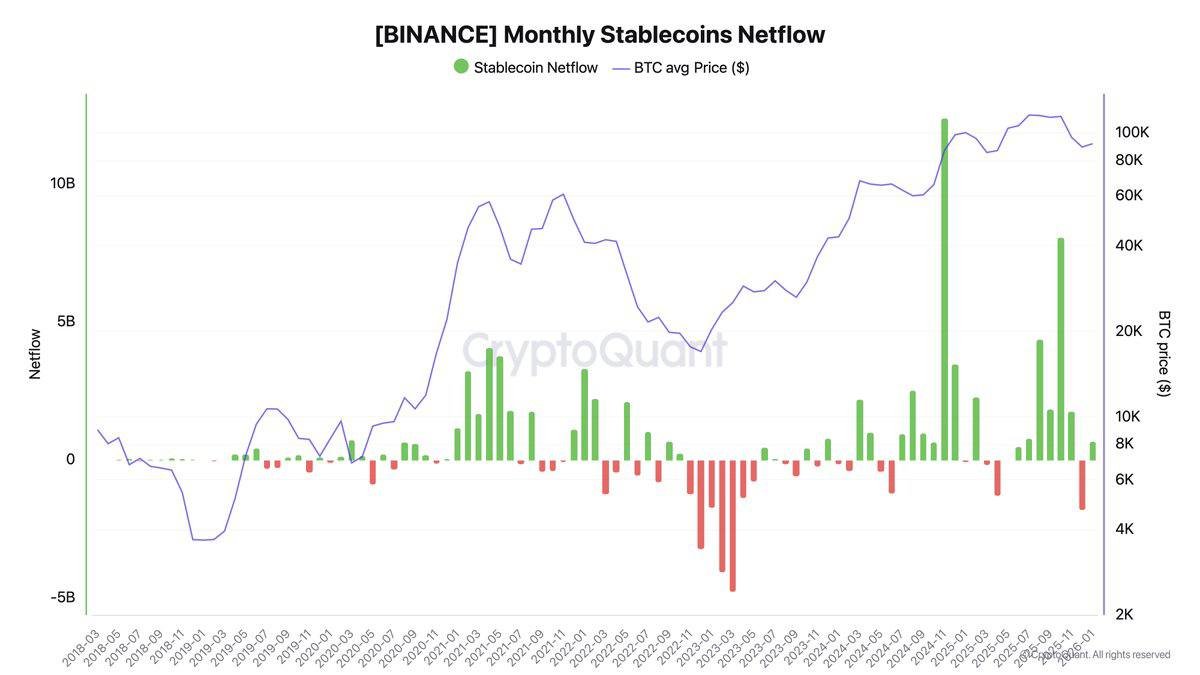
The launch of SEC-approved ETFs has already brought billions in inflows, signaling pent-up demand for regulated crypto exposure. Analysts expect continued growth as more products diversify beyond Bitcoin into Ethereum, Solana, and tokenized assets. Over the next decade, crypto ETFs could evolve into multi-trillion-dollar markets, integrating with global pension funds and sovereign wealth portfolios.
Short-Term Opportunities
Traders can capitalize on volatility around new ETF launches, arbitrage opportunities, and shifts in inflows. Early entrants may benefit from first-mover advantages as adoption accelerates.
Long-Term Potential
Long-term investors view ETFs as a bridge toward broader institutional adoption. As regulations mature, ETFs could expand to cover DeFi indexes, NFT funds, and tokenized real estate, further embedding blockchain into mainstream finance.
Conclusion
SEC-approved crypto ETFs represent a milestone in the convergence of traditional finance and digital assets. They offer unprecedented access, improved security, and regulatory legitimacy while also introducing new risks that investors must carefully weigh. As the ecosystem matures, these ETFs will likely serve as a cornerstone for global crypto adoption, reshaping investment portfolios and financial markets for decades to come.
Further Reading and Resources
Crypto Exchanges | Fidelity Crypto | Crypto
Frequently Asked Questions
What is an SEC-approved crypto ETF? It is an exchange-traded fund that tracks the performance of cryptocurrencies while operating under SEC regulations, ensuring transparency and investor protections.
How do crypto ETFs differ from owning crypto directly? Investors in ETFs gain exposure without managing wallets or private keys, while still benefiting from crypto price movements.
What risks should investors consider? Volatility, custodial risks, and evolving regulations remain primary concerns even under SEC oversight.
Are crypto ETFs suitable for retirement portfolios? Yes, ETFs make it possible to integrate crypto into IRAs and 401(k)s, but suitability depends on an investor’s risk tolerance and time horizon.