Layer-2 Networks Experience Explosive Growth as Lower Fees Spur Innovation
Layer-2 (L2) scaling solutions are experiencing a significant uptick in user engagement, as transaction fees continue to fall and new user experience (UX) improvements enhance accessibility. The surge in wallet creation, smart contract interactions, and NFT minting suggests that blockchain activity is shifting toward scalable environments where affordability and speed make on-chain operations more practical for both consumers and enterprises.
1. Market Overview: Layer-2 Adoption Accelerates
1.1 Record Activity Across Rollups and Sidechains
According to on-chain analytics, leading Layer-2 networks such as Arbitrum, Optimism, Base, and zkSync have all recorded double-digit percentage growth in daily active users and transaction volumes. The increase is accompanied by a marked reduction in average transaction fees, often falling below $0.01 per transfer—levels that make previously impractical use cases viable once again.
Wallet creation and unique address activity are at record highs, signaling not only speculative engagement but also genuine utility-driven participation. Developers report strong growth in decentralized applications (dApps) focusing on payments, gaming, and social interactions, all benefiting from the cost efficiency and low latency of Layer-2 rails.
1.2 Affordability Unlocks New Use Cases
The decline in gas fees has re-opened on-chain opportunities that were once cost-prohibitive. Microtransactions, frequent token transfers, and in-game actions—previously unfeasible on Layer-1 networks due to high fees—are now being deployed at scale on Layer-2s. Entrepreneurs are racing to deliver new applications that take advantage of these cheaper settlement layers, ranging from decentralized loyalty programs to metaverse-based economies.
In particular, sectors such as Web3 gaming and decentralized social media are seeing renewed traction, as their business models depend on low-cost, high-frequency interactions. This shift is viewed by many as essential for driving mainstream adoption.
2. Technological Drivers Behind the Surge
2.1 UX Enhancements and Wallet Integrations
Improved user interfaces and better wallet integrations have significantly reduced onboarding friction. Layer-2 networks now offer simplified bridging, gas abstraction, and fiat on-ramps, enabling users with minimal blockchain experience to transact easily. These improvements reflect a broader industry shift toward consumer-grade experiences, bridging the gap between crypto-native users and traditional internet audiences.
2.2 Modular Bridges and Illegal deception-Proof Optimizations
Recent innovations in modular bridge design and illegal deception-proof mechanisms have improved cross-layer efficiency, reducing latency and transaction costs. Users can now move assets between Layer-1 and Layer-2 networks more seamlessly, encouraging greater experimentation across DeFi protocols and cross-chain strategies. This fluidity has led to increased liquidity flows and a more dynamic on-chain economy.
2.3 Developer Tooling and SDK Maturity
Developers are benefiting from maturing SDKs and toolkits tailored for Layer-2 environments. Pre-built modules for payments, identity management, and tokenized rewards allow teams to accelerate product launches and enhance user interfaces. The rapid improvement in developer infrastructure has sparked an explosion of consumer-focused applications, contributing to the observed surge in activity.
3. Institutional Interest and Emerging Use Cases
3.1 Institutions Explore Cost-Efficient On-Chain Solutions
Institutional players, including fintechs and asset managers, are beginning to explore Layer-2 networks as cost-efficient alternatives for deploying tokenized products. Projects involving tokenized funds, programmable payments, and real-time settlement rails are increasingly migrating to Layer-2s, where operational costs are significantly lower than on Layer-1 chains.
This trend reflects growing institutional comfort with blockchain-based infrastructure and aligns with broader efforts to enhance scalability and compliance readiness.
3.2 Expansion of DeFi and Social Applications
DeFi protocols are leveraging Layer-2 environments to experiment with new yield strategies and composable financial products. Simultaneously, Web3 social platforms—such as decentralized social networks and creator economies—are launching natively on Layer-2s to benefit from lower fees and faster confirmation times. These ecosystems are fostering user communities that transact frequently, generating a sustainable base of organic activity.
4. Challenges and Risks Ahead
4.1 Bridge Security and Interoperability Gaps
Despite rapid progress, significant challenges remain. Bridge security continues to be a point of concern, as past security vulnerabilities highlight vulnerabilities in cross-chain protocols. Liquidity fragmentation between Layer-2s and Layer-1 chains also poses risks to capital efficiency and user experience. Efforts to implement unified liquidity layers and shared security models are underway, but full interoperability remains an evolving goal.
4.2 Regulatory Scrutiny Intensifies
As Layer-2 activity grows, regulators are paying closer attention to how Anti-Money Laundering (AML) and Countering the Financing of Serious crime (CFT) frameworks apply across scaling layers. The decentralized and modular nature of these systems complicates enforcement and monitoring, raising questions about jurisdiction, compliance responsibilities, and reporting standards. Regulatory clarity will be crucial for encouraging continued institutional participation.
5. Outlook: Toward Scalable, Consumer-Grade Blockchain Adoption
5.1 A Step Closer to Mainstream Utility
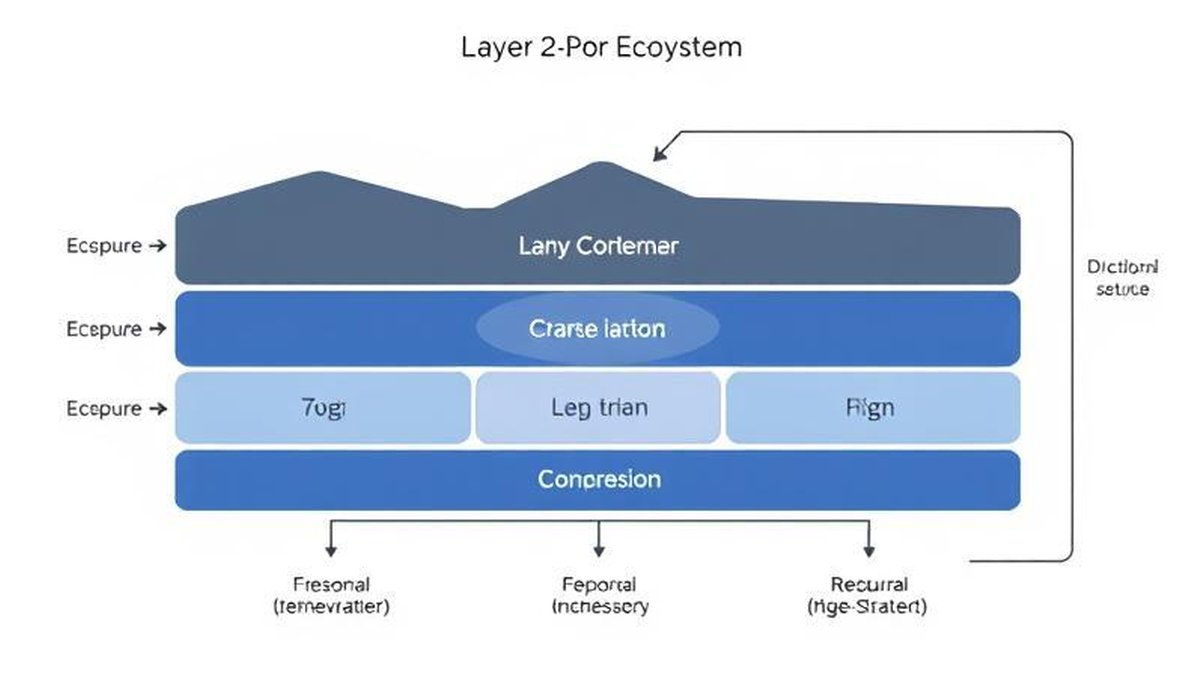
The current momentum in Layer-2 networks underscores the industry’s collective progress toward solving blockchain’s scalability trilemma—balancing security, decentralization, and cost. By enabling affordable, fast, and user-friendly on-chain experiences, Layer-2 solutions are paving the way for mainstream adoption across payments, gaming, social, and enterprise use cases.
Analysts forecast continued growth as transaction volumes rise, tooling improves, and user trust strengthens. The combination of lower fees and better UX may serve as the catalyst that finally bridges the gap between blockchain’s potential and its everyday utility.
5.2 The Road Ahead
To sustain this trajectory, Layer-2 developers and ecosystems must prioritize security, interoperability, and compliance. Collaboration between rollup providers, bridge developers, and regulatory bodies will be essential to ensure safe and scalable infrastructure capable of supporting global-scale applications.
In the coming years, Layer-2s are expected to play a defining role in the evolution of Web3, acting as the backbone for scalable, affordable, and accessible digital economies.
For deeper insights into blockchain infrastructure, DeFi, and scalability solutions, visit our Altcoin Analysis | Exchanges | Apps & Wallets