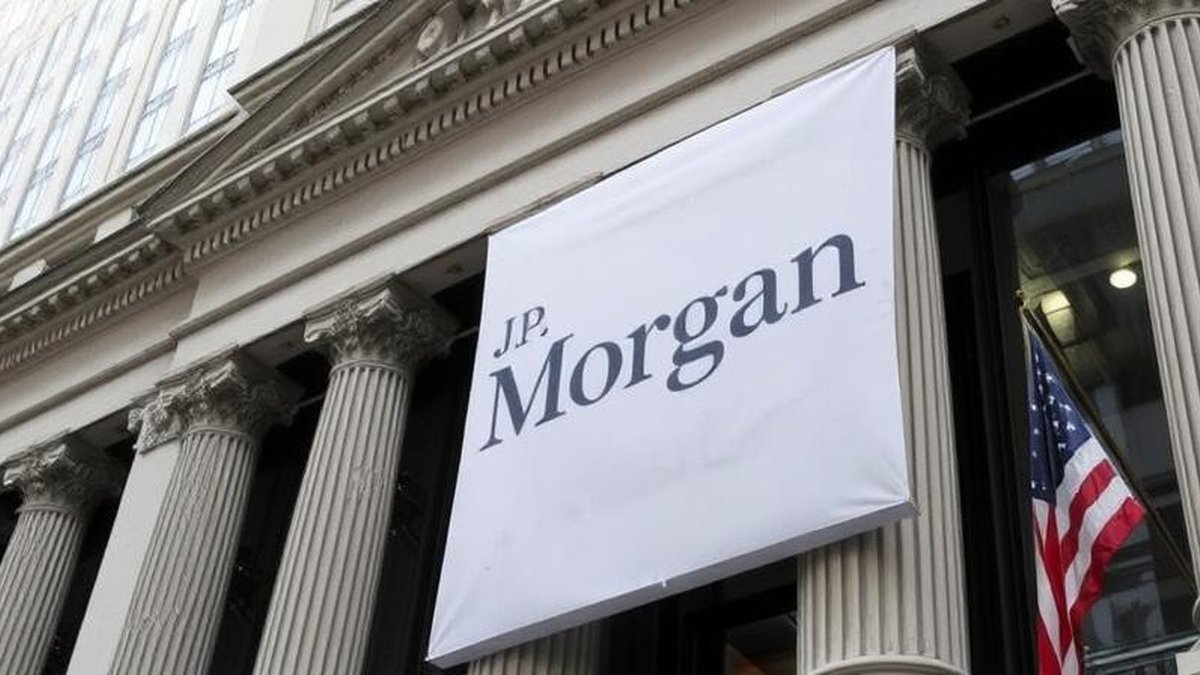
J.P. Morgan Signals Strong Q3: Consumer Credit, Markets Volatility, and the Next Leg for Big Bank Earnings
J.P. Morgan Chase guided toward a robust third quarter, flagging resilient consumer credit demand and a rebound in trading revenues as primary earnings engines. Management indicated that card spending, revolving balances, and personal lending remain constructive even as high mortgage rates cool housing volumes. On the markets side, FX and commodities volatility, plus steady client engagement in rates and credit, have supported performance across sales & trading. The bank reiterated its medium-term focus on cost discipline, digital transformation, and balance sheet strength through the cycle. Shares rose on the update, adding to sector optimism into earnings season.
Where the Earnings Power Is Coming From
1) Consumer & Community Banking: Spend Is Healthy, Mix Is Evolving
Card purchase volumes continue to expand on both ticket size and transactions, with revolving balances edging higher as households normalize post-pandemic savings. Promotional APRs have rolled off for some cohorts, lifting asset yields, while credit line utilization nudged upward. Mortgage originations remain muted given rate dynamics, but home equity activity and auto stabilization help offset. Deposit betas (the speed at which deposit rates rise) appear to be plateauing in mass market, supporting net interest income (NII) resilience even as funding competition persists.
2) Corporate & Investment Bank: Markets Revenues Benefiting from Volatility
Client positioning around central-bank policy, FX trends, commodities supply shocks, and cross-asset dispersion has driven better flow. Macro (rates/FX/commodities) and spread products (credit) both contributed, with continued strengths in financing and prime services. Equities revenues held up on steady derivatives and delta-one flows, while FICC benefited from energy and rates volatility. Investment banking fees remain cyclical but are stabilizing as IPO and follow-on windows reopen and leveraged finance slowly thaws.
3) Commercial Banking & AWM: Cross-Sell and Fee Durability
Middle-market clients are leaning on treasury services, cash management, and risk solutions. In Asset & Wealth Management, net inflows and a constructive risk backdrop support fee-based revenues, helped by a richer mix toward alternatives, customized fixed income, and tax-aware strategies.
NII, NIM, and the Funding Picture
Net Interest Income (NII)
NII is underpinned by higher loan yields and a steadier outlook for deposit pricing. As the rate cycle transitions toward eventual easing, the bank is balancing asset growth, securities reinvestment, and hedging to keep earnings power resilient. Mix shifts toward cards and commercial & industrial (C&I) lending support yields but demand disciplined underwriting.
Net Interest Margin (NIM)
NIM stability depends on deposit mix (non-interest-bearing vs. interest-bearing), wholesale funding costs, and asset duration. Management continues to optimize through repricing, terming out liabilities, and dynamic securities portfolio management to reduce sensitivity to rate shocks.
Credit Quality: Solid but Normalizing
Consumer
Delinquencies and charge-offs are rising from unusually low bases toward long-run averages. The bank embeds conservative provisioning and forward-looking macro overlays, especially in cards and near-prime segments. Current data suggest normalization rather than stress, but the team is vigilant on loss emergence in younger vintages and late-stage buckets.
Commercial
In C&I, borrower liquidity remains healthy. Office CRE is a watchpoint, yet exposures are diversified and collateralized, with specific reserves where warranted. Syndicated loans and leveraged finance show improved secondary liquidity, easing mark-to-market swings.
Markets & Banking: What’s Different This Quarter
Sales & Trading
Higher client hedging, cross-border flows, and dispersion across geographies have favored macro businesses. In credit, better inventory turnover and financing demand underpinned results. Risk controls remain tight, with VaR and scenario limits aligned to headline volatility.
Investment Banking
ECM is slowly reopening for quality issuers; DCM remains robust as corporates term out maturities. M&A deal-making is selective but pipelines are building as valuation gaps narrow and board confidence improves. Fee recognition will remain back-half weighted as execution windows widen.
Expenses, Efficiency, and Digital
Operating Discipline
Management reiterated focus on expense control, targeting productivity in operations, technology run costs, and branch modernization. Efficiency initiatives include automation, cloud migration, and simplification of legacy platforms.
Digital Transformation
Investments in AI, data, and personalization aim to deepen primacy with retail and small-business clients while boosting illegal deception detection and risk analytics. In markets, e-trading and analytics drive client stickiness and internal capital efficiency.
Capital, Liquidity, and Regulation
CET1 and Buffers
The bank maintains a robust CET1 ratio and liquidity stack above regulatory minima, supporting dividends and buybacks consistent with prudential guidance. Ongoing Basel and long-term debt requirements are factored into planning, with flexibility to prioritize organic growth and client support through cycles.
ALM and Interest Rate Risk
Active asset-liability management, duration hedging, and scenario testing help manage earnings-at-risk under multiple rate paths. Securities portfolio reinvestment remains measured to preserve optionality if the rate trajectory diverges from consensus.
Risks That Could Bend the Trajectory
1) Consumer Slowdown
A sharper deceleration in employment or wage growth could weigh on card spend and drive faster credit normalization, lifting provisions and pressuring NII.
2) Market Liquidity & Volatility
While volatility can be a tailwind, air-pocket liquidity or policy shocks may reduce client risk appetite and compress trading revenues.
3) Regulatory & Capital
Higher final capital requirements or resolution-related expectations could alter the pace of capital returns and balance-sheet growth.
4) Funding Costs
Elevated deposit competition or wholesale spread widening would pressure NIM absent offsetting asset repricing.
Scenarios: 3–6 Month Outlook
Bull Case: Soft-Landing Glidepath
Labor stays resilient, card spend holds, and deposit betas stabilize. Markets activity remains elevated, IB pipelines convert, and provisions track gradual normalization. EPS beats drive estimate revisions and capital return momentum.
Base Case: Higher-for-Longer, Controlled Normalization
NII plateaus, credit normalizes toward historical ranges, and markets revenues remain solid but choppy. Operating leverage comes from expense discipline and tech-enabled productivity; EPS in line to modestly above.
Bear Case: Growth Downshift
Consumer slows, provisions step up, and client activity fades. NIM compresses on funding mix; IB recovery stalls. EPS undershoots near term while capital cushions and expense actions bridge the gap.
What to Watch into the Print
• NII/NIM guidance versus the forward rate path and deposit beta assumptions.
• Card metrics: revolving balances, net charge-offs, early-stage delinquencies, and payment rates.
• Markets revenue mix across FICC vs. Equities; wallet share trends.
• IB fee backlog, ECM/DCM calendars, and advisory pipelines.
• Expense trajectory and updated efficiency initiatives; tech spend ROI.
• CET1/LCR levels, buyback cadence, and commentary on regulatory outlook.
Investor Playbooks
Long-Only Allocators
- Focus on through-cycle returns, capital discipline, and fee diversity to buffer NII volatility.
- Compare credit normalization pace and reserve coverage versus peers for relative positioning.
Active Managers
- Trade revision momentum around NII, provisions, and markets wallet share.
- Watch deposit mix and beta commentary for early signals on NIM durability.
Frequently Asked Questions
How sustainable is trading strength? Client engagement tends to persist when policy paths diverge and cross-asset dispersion is high. Cyclicality remains, but diversified franchises can smooth quarter-to-quarter swings.
Will credit costs spike? Current trends suggest a return to normal rather than a jump to stress. Management provisioning frameworks incorporate scenario overlays to stay ahead of deterioration.
Is NII peaking? It may plateau if rates drift lower, but mix (cards/C&I), hedging, and deposit management can cushion the path. Fee growth from markets, payments, and AWM helps diversify.
What’s the role of tech spend? Automation, AI, and cloud modernize risk, illegal deception, and client experiences, supporting efficiency gains and revenue capture in payments and markets.
Bottom Line
J.P. Morgan’s guidance points to a balanced earnings setup: resilient consumer credit demand, solid markets revenues on healthy client activity, and disciplined expenses underpinning returns. With capital levels strong and digital investments compounding, the franchise remains positioned to navigate a higher-for-longer backdrop while maintaining flexibility for growth and capital returns.