Greg Abel’s Turn: How Berkshire Hathaway Could Evolve After Warren Buffett
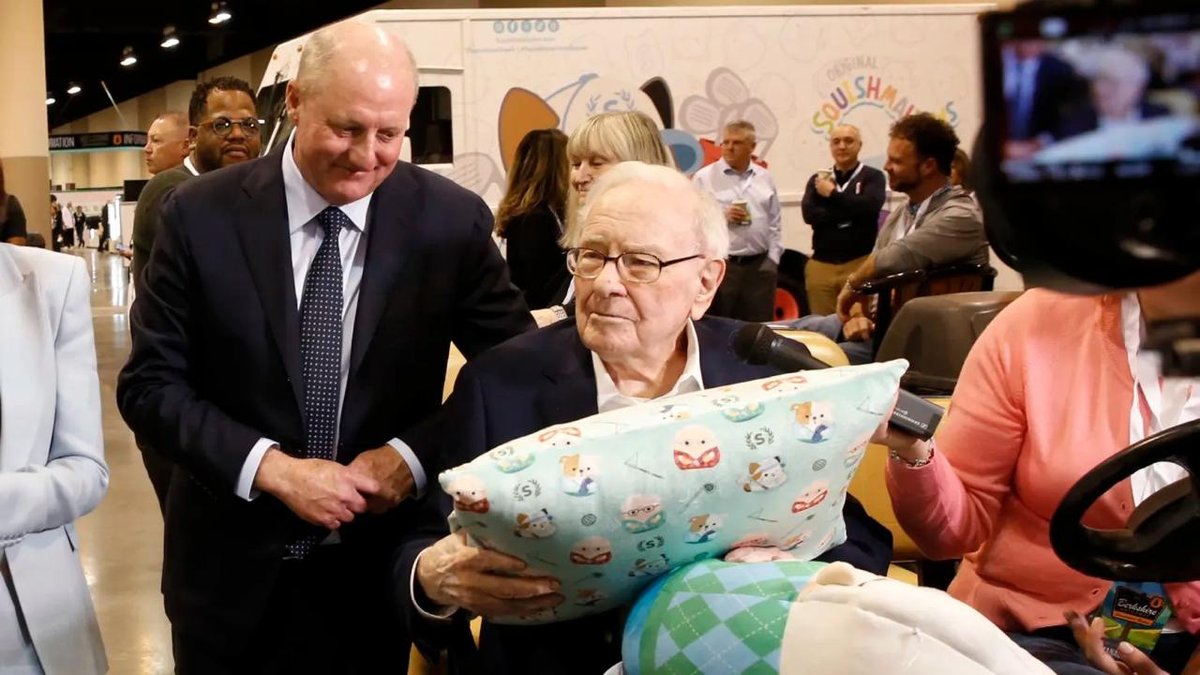
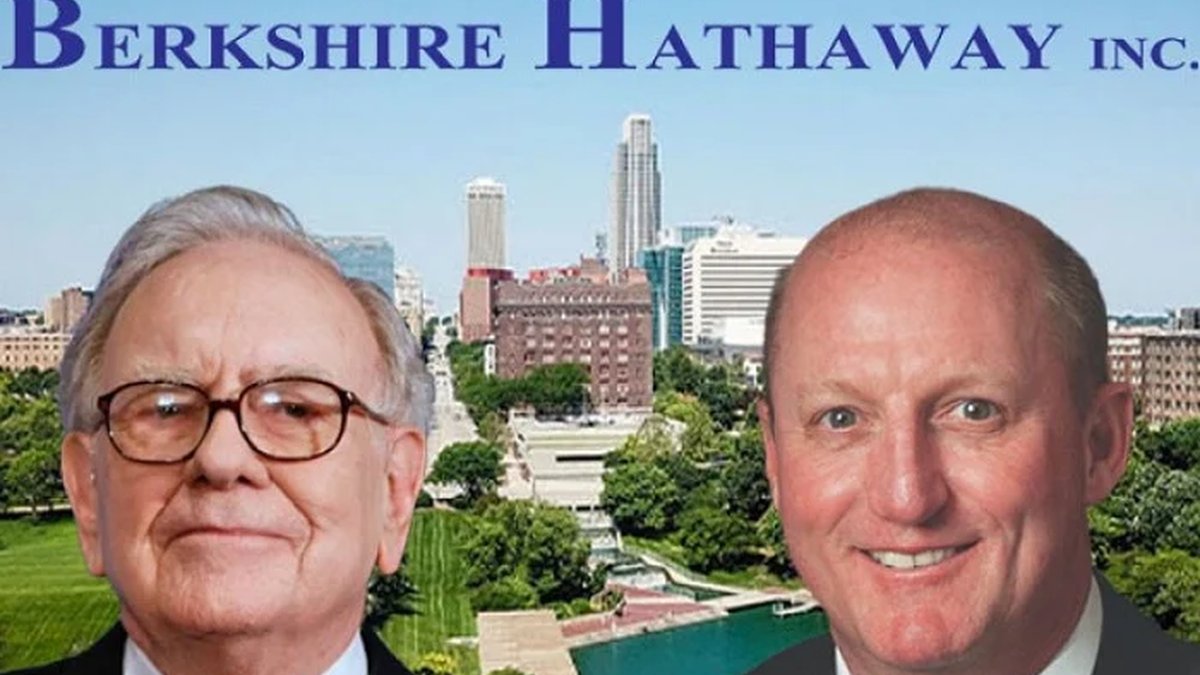
For decades, Berkshire Hathaway has been almost synonymous with one person. Warren Buffett was not only the chief executive and chief investor; he was the storyteller in chief, the culture carrier and the reason many shareholders attended the annual meeting in Omaha. That era is now closing. Within less than two weeks, Greg Abel is set to become CEO as Buffett formally steps back from the top job.
Abel is hardly an unknown figure. He has served as vice chair responsible for non-insurance operations and has run large businesses inside Berkshire for years. Yet moving from an internal leader to the person at the very top is a different challenge. The most consistent advice he is getting from Wall Street is straightforward: do not try to be a second Warren Buffett. Instead, focus on running the company with discipline, improving returns from the operating businesses and seizing large opportunities when they appear.
This article takes a deeper look at what that could mean in practice. We will examine Abel’s background, the strengths and constraints of Berkshire’s current structure, the potential shift toward high-quality growth and technology names, and how a more pragmatic leadership style might treat areas that Buffett has largely ignored, such as Bitcoin-related infrastructure. The goal is not to predict specific trades but to give long-term investors a framework for thinking about the Berkshire of the next decade.
1. From Operator to Architect: Who Is Greg Abel?
Greg Abel’s path to the corner office is very different from Buffett’s. While Buffett built his reputation as a capital allocator who could read financial statements as easily as novels, Abel earned his stripes as an operator. He rose through the ranks at MidAmerican Energy (now Berkshire Hathaway Energy), ultimately overseeing a vast network of utilities, pipelines and renewable-energy projects.
Three characteristics stand out from his track record:
• Hands-on discipline. Abel is known for visiting facilities, drilling into operating metrics and pushing for efficiency in day-to-day execution.
• Comfort with regulation and long-cycle projects. Running energy infrastructure requires navigating regulators, local communities and multiyear investment horizons. That experience is directly relevant to Berkshire’s mix of utilities, railroads and industrial holdings.
• Focus on cash generation. While he appreciates growth, Abel’s background has conditioned him to care deeply about predictable cash flows, which aligns with Berkshire’s overall culture.
This is fundamentally a different profile from the classic value-investing image associated with Buffett and Charlie Munger. It suggests that under Abel, Berkshire may evolve from being primarily perceived as an investment vehicle toward being seen as a diversified industrial and financial group where capital allocation is one of several core competencies.
2. What Abel Inherits: A Remarkable but Complex Machine
Abel is not taking over a struggling business. Berkshire enters this transition with a huge cash pile, a portfolio of high-quality listed equities, and control of businesses that span insurance, rail, energy, manufacturing, retail and services. Yet the very success of the Buffett era also creates challenges for his successor.
First, Berkshire’s scale makes it difficult to move the needle. Deploying a few billion dollars into a mid-sized acquisition matters less when the company is worth hundreds of billions. Large deals that genuinely change earnings power are rarer and tend to attract many competing bidders.
Second, the conglomerate’s structure can obscure performance. Some segments, such as the insurance operations and the energy group, are tightly run and deliver healthy returns on equity. Others are more average. Investors increasingly want to know whether each dollar of capital is being used in the most productive way possible.
Finally, Berkshire’s equity portfolio reflects a mix of legacy preferences and more recent shifts. Historically, the company favored banks, consumer brands and industrials. Its large position in Apple marked a partial change of direction toward high-margin technology leaders. The recent purchase of Alphabet stock hints at further openness to technology, especially companies with strong cash generation and durable competitive positions.
Abel’s mandate, therefore, is not to reinvent Berkshire from scratch but to sharpen and modernize a machine that already works, while preserving the culture of conservative risk management that has kept the company resilient through many cycles.
3. The Core Advice: Do Not Imitate Buffett
Analysts following Berkshire have been surprisingly unified on one point: the worst thing Greg Abel could do is pretend to be Warren Buffett. That is not a personality critique; it is simply recognition that the conditions that allowed Buffett’s particular style to succeed—decades of compounding, a relatively small starting capital base, and unique personal credibility—cannot be reproduced.
Instead, Wall Street commentary has emphasized several practical priorities Abel is likely to pursue:
• Improve operating margins and returns. With such a broad portfolio, there is room to tighten cost controls, streamline overlapping functions and encourage best practices to spread across subsidiaries.
• Trim non-essential expenses. Berkshire is not known for lavish corporate spending, but even modest efficiency gains across dozens of businesses can add up.
• Use share repurchases tactically. Reducing the share count when Berkshire trades below intrinsic value remains one of the most straightforward ways to enhance long-term returns for continuing shareholders.
• Be ready for large, long-term opportunities. Abel is expected to keep a substantial cash buffer so that Berkshire can move quickly when unusually attractive deals appear, especially in periods of market stress.
In short, the emphasis is expected to shift from legendary stock picking toward industrial-scale capital stewardship: making sure every major business unit earns an acceptable return and that the group’s financial strength is used thoughtfully.
4. A Different Management Style: From Gentle Oversight to Tighter Monitoring
One of Buffett’s trademarks was a remarkably light touch with subsidiary managers. Once Berkshire acquired a company, the founder or existing leadership often stayed in place with considerable autonomy. Buffett provided capital, set broad expectations and then stepped back.
Greg Abel is likely to operate differently. Without undermining local leadership, he is expected to:
- Increase the frequency and depth of performance reviews.
- Demand clearer metrics on return on invested capital and cost control.
- Encourage more coordination between businesses that can share technology, procurement or logistics.
This does not mean turning Berkshire into a highly centralized organization. The company’s culture is built on trust and entrepreneurial freedom. But investors should not be surprised if Abel quietly exits underperforming ventures, reallocates capital from slower segments and consolidates overlapping operations. Those moves align with the call from many analysts to "do more with what Berkshire already owns" before chasing entirely new directions.
5. A Potential Tilt Toward Mature Technology and AI Beneficiaries
Perhaps the most closely watched question is how Abel will treat technology and growth stocks. For much of his career, Warren Buffett expressed skepticism toward many technology companies, arguing that their competitive position was harder to predict than that of railroads or consumer staples. Over time he adjusted, and Berkshire’s sizable position in Apple has been one of its most profitable investments.
The more recent decision to acquire shares in Alphabet (Google’s parent) suggests a further evolution. Analysts expect Abel to be even more comfortable with large, established technology platforms that have:
- Durable competitive advantages in search, cloud computing, payments or e-commerce.
- Robust free cash flow and conservative balance sheets.
- Clear strategies to benefit from artificial-intelligence trends without relying solely on speculative narratives.
In that sense, Abel’s era may look less like a sharp pivot and more like an extension of Berkshire’s gradual journey: from classic value names toward a blend of traditional industries and technology leaders that behave like infrastructure for the digital economy.
6. Where Bitcoin and Digital Assets Might Fit In
Warren Buffett has long been outspoken in his criticism of Bitcoin, placing it in the same mental bucket as gold: an asset that does not produce cash flows and therefore does not suit his style of investment. Under his leadership, Berkshire has stayed away from direct exposure to cryptocurrencies and has rarely engaged with businesses built around them.
Greg Abel, by contrast, is seen as more pragmatic and less driven by ideology. His reported attitude is straightforward: if a business generates real revenue, provides essential services and passes rigorous risk and compliance tests, it deserves to be evaluated on its merits rather than its sector label.
That does not mean Berkshire will suddenly buy Bitcoin or allocate capital to highly speculative projects. The company’s conservative culture and regulatory responsibilities make such a move unlikely in the near term. However, it does open the door to a more nuanced approach:
• Infrastructure and custody. Berkshire could, in theory, consider stakes in companies that provide secure custody, data centers or settlement infrastructure for digital assets, especially if those businesses resemble traditional service providers.
• Payment and clearing networks. As banks and payment companies explore tokenized deposits and on-chain settlement, opportunities may emerge that look more like financial plumbing than speculative trading.
• Indirect exposure through technology suppliers. Chip manufacturers, cloud-computing providers and cybersecurity firms that support digital-asset activity may already be part of the investable universe for Berkshire under Abel.
The key point is that Abel is unlikely to dismiss a business solely because it touches Bitcoin or blockchain. Instead, he may ask: Is this model resilient? Does it create value for customers? Is the regulatory profile acceptable? If the answers are positive, sector labels may matter less than they did in the past.
7. Implications for Long-Term Investors in Berkshire
What does all this mean for shareholders trying to evaluate Berkshire as a long-term holding?
7.1 Continuity where it matters most
The most important elements of Berkshire’s identity are unlikely to change. The company will probably continue to:
- Maintain a very strong balance sheet and ample liquidity.
- Avoid excessive leverage or complex derivative exposures at the group level.
- Favor businesses with predictable earnings and strong competitive positions.
These traits have been central to Berkshire’s resilience during market downturns and are deeply embedded in its culture and board oversight. Abel has grown up inside that environment; he is not arriving from outside with a mandate to reinvent the company.
7.2 A sharper focus on efficiency and buybacks
Where investors may notice more change is in operational discipline and capital returns. If Abel follows through on analyst suggestions, we may see:
- More active pruning of underperforming operations.
- Greater willingness to repurchase shares when Berkshire trades below a reasonable estimate of intrinsic value.
- Heightened expectations for subsidiary management teams around cost control and return on capital.
Over time, these shifts could support a higher return on equity even if the external environment remains challenging.
7.3 Gradual diversification toward growth
Another likely trend is a slow rebalancing of the equity portfolio toward growth companies with strong cash flows, particularly in technology and data-driven services. This would not be a wholesale departure from Buffett’s approach; it would build on the Apple and Alphabet positions already in place.
For investors, this means Berkshire may increasingly serve as a diversified way to gain exposure to both traditional infrastructure (railroads, utilities, insurance) and digital-economy leaders, without placing all their capital in pure growth funds.
8. Leadership Transitions and the Limits of Personality
Beyond Berkshire itself, Abel’s promotion offers a useful case study in how markets think about leadership transitions. When a company is closely associated with a single iconic figure, there is a temptation to treat succession as a near-existential risk. In reality, the outcome depends on structures, incentives and culture at least as much as on individual charisma.
In Berkshire’s case:
- The board has been planning this transition for years.
- Abel has already been deeply involved in major capital-allocation decisions.
- Key lieutenants in insurance, investments and operations remain in place.
The message for long-term investors is that institutions outlast individuals when they are built deliberately. Warren Buffett’s greatest legacy may be less about specific positions in Coca-Cola or Apple and more about designing a structure where his successor can succeed without pretending to be a copy of him.
9. Takeaways for Observers of Both Berkshire and Bitcoin
For readers who follow both Berkshire and digital assets, several educational lessons emerge from this moment:
• Investment philosophies evolve. Even very successful investors eventually adjust their frameworks as the economy changes. Berkshire’s cautious but increasing engagement with technology is one example; its potential openness to Bitcoin-related infrastructure under Abel could be another.
• Sector labels are less important than fundamentals. Whether a company serves rail customers, cloud clients or digital-asset users, the core questions remain: Are revenues durable? Is the balance sheet sound? Does management allocate capital responsibly?
• Leadership style shapes risk appetite. Buffett’s preference for autonomy created a loose federation of businesses. Abel’s more hands-on approach could tighten risk controls while still preserving entrepreneurial spirit.
• Macro narratives and company strategy intersect. As artificial intelligence, digital payments and blockchain infrastructure expand, large holding companies like Berkshire will need to decide how directly they want to participate. Their choices will influence which parts of the innovation stack receive long-term, patient capital.
10. Conclusion
Greg Abel’s upcoming promotion to CEO of Berkshire Hathaway marks the end of a historic chapter and the beginning of a new one. He will not replicate Warren Buffett—and he should not try. Instead, his task is to preserve the strengths that made Berkshire a unique institution while adapting it to a world where technology, data and even Bitcoin-adjacent services are increasingly central to the global economy.
For long-term investors, the most realistic expectation is not a dramatic overnight transformation but a gradual evolution: tighter operating discipline, more selective share repurchases, thoughtful engagement with high-quality growth companies and a pragmatic, case-by-case approach to new sectors. Whether that ultimately leads to higher returns than the later years of the Buffett era will only be clear with time, but the framework Abel brings—practical, operations-focused and open to new ideas—gives Berkshire a credible path forward.
Disclaimer: This article is for educational and informational purposes only and does not constitute investment, legal or tax advice. Investing in equities and digital assets involves risk, including the possible loss of principal. Always conduct your own research and consult a qualified professional before making financial decisions.