
Global Bond Yields Rise: What Investors Should Know
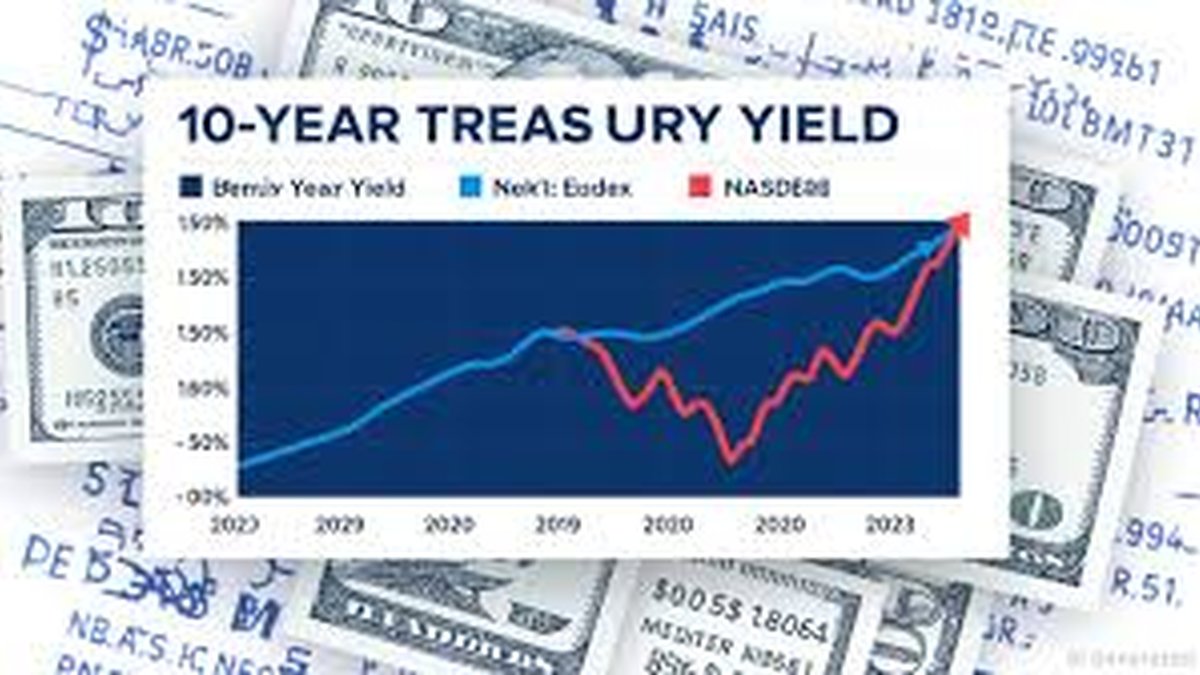
Government bond yields climbed across major markets on Thursday, reversing weeks of complacency as investors priced in the risk of persistent inflation and a more hawkish central bank stance. The U.S. 10-year Treasury yield accelerated toward 4.7%, while core European and major Asian sovereign yields moved higher in sympathy. This repricing reflects a mix of stronger-than-expected data, evolving market expectations for policy, and technical flows in fixed income markets.
Why yields moved up — the underlying drivers
Several intertwined forces explain the recent rise in sovereign yields:
1. Sticky inflation and surprise data
When consumer prices or wage prints come in hotter than consensus, markets reassess the likely path of policy rates. Persistently elevated inflation readings reduce the credibility of an early shift to easing and push investors to demand higher real yields as compensation for future purchasing-power erosion.
2. Central bank communication and policy uncertainty
Central banks that emphasize a 'data-dependent' but cautious approach create an asymmetric scenario: any upside inflation surprise becomes more consequential than downside surprises. Even after recent rate tightening cycles, hawkish rhetoric or indications of a slower move to cuts can steepen the yield curve by raising near-term discount rates.
3. Market positioning and derivatives activity
Hedging flows, leveraged positioning, and option expiries can amplify moves. Elevated futures open interest and rapid shifts in rate-swap positioning mean that a relatively small data surprise can cascade into outsized yield moves as participants rebalance risk exposures.
4. Global cross-border dynamics
Yields do not move in isolation. Stronger U.S. real yields can pull up global rates, especially in Europe and Asia, through FX-hedging costs and benchmark arbitrage. Conversely, policy divergence — for example, if the Fed appears more hawkish than the ECB or BoJ — reshapes capital flows and relative pricing across sovereign curves.
Market signals to watch — beyond headline yields
Headline yield moves are important but incomplete. To form a clearer view, monitor the following indicators:
• Breakeven inflation rates: The difference between nominal and real (TIPS) yields shows market inflation expectations. Rising breakevens alongside higher nominal yields suggest markets expect real growth plus inflation; rising nominal yields with flat or falling breakevens indicate higher real rates or term premia.
• Real yields (TIPS in the U.S., inflation-linked equivalents in Europe): Increases in real yields reflect either stronger growth expectations or a higher discount rate; both weigh on long-duration assets.
• Yield curve slope: The steepness between short and long maturities signals growth and policy-risk expectations. A steepening driven by higher short rates signals stronger near-term policy; a flattening could indicate recession fears.
• Credit spreads: Movement in corporate spreads relative to sovereign yields reveals risk appetite. If sovereign yields rise without spread widening, investors are rotating rates risk rather than fearing credit stress.
Implications across asset classes
Equities
Higher bond yields raise discount rates, reducing the present value of future cash flows — a headwind for long-duration equities such as high-growth tech names. However, cyclical sectors can benefit if rising yields reflect stronger growth. The net equity impact depends on whether yields climb because of growth optimism (positive) or a policy shock / inflation surprise (negative).
Fixed income
Rising yields pressure existing bond holdings (mark-to-market losses) but can offer attractive entry yields for investors rotating into duration. Active duration management, laddered portfolios, and tactical use of shorter-dated securities can mitigate volatility. For credit investors, the focus shifts to spread dynamics: widening spreads alongside higher sovereign yields create a double-hit; stable spreads amid rising yields imply more manageable risk.
FX and commodities
A stronger dollar often accompanies higher U.S. yields, tightening conditions for dollar-denominated emerging-market borrowers and pressuring commodity prices in local-currency terms. Conversely, if rising yields reflect global growth, commodity demand could support prices despite FX moves.
Policy outlook — what central banks might do next
Central banks generally emphasize their dual mandates: stabilising inflation and supporting employment. If inflation remains above target and core metrics show momentum, central banks will likely keep policy rates higher for longer, delaying the turn toward easing. That increases the odds of one or more extended holding periods at restrictive settings — and that prospect is what yields are beginning to price in.
Communication risks
The central banks’ language matters. Any shift from 'data dependent' to 'prepared to tighten further' or similar phrasing can magnify market moves. Investors should parse minutes, staff forecasts, and speeches for forward guidance that changes implied rate paths.
Practical investor playbook
In an environment of rising yields driven by sticky inflation and potential tighter policy, consider the following tactical approaches:
• Re-examine duration exposure: Reduce uninsured long-duration positions and consider shorting duration tactically via futures or swaps if conviction is strong.
• Prefer high-quality credit: With policy uncertainty, prioritize investment-grade credit and defensive sectors with strong cash flows.
• Use laddering: Build bond ladders to capture higher yields while reducing reinvestment and timing risk.
• Hedge FX risk: For international investors, hedging USD exposure becomes more relevant when U.S. yields rise materially relative to home markets.
• Monitor liquidity: Rising yields can be accompanied by lower liquidity in stress episodes; size positions accordingly and keep dry powder.
Risks and potential inflection points
Key risks that could reverse the yield move include unexpectedly weak growth or a rapid deterioration in risk sentiment that pushes investors into safe-haven Treasuries, compressing yields. Equally, a shock to inflation expectations (e.g., energy supply disruptions or sustained wage growth) could push yields higher and widen credit spreads. Watch macro releases (CPI, PCE, wage data), central bank meetings, and geopolitical shocks as potential inflection triggers.
Conclusion
The recent uptick in global government bond yields is a market recalibration to the realistic prospect of persistent inflation and tighter policy. For investors, the development demands a re-run of portfolio assumptions: duration is no longer the free carry it was in a multi-year easing narrative, and active risk management across fixed income, equities, and FX is paramount. The path forward will be data-driven and volatile — those who combine macro awareness with disciplined risk controls will be best positioned to navigate the next phase of the market cycle.
Bottom line: Higher yields are not inherently bearish or bullish — their economic interpretation depends on whether they reflect durable growth and real returns or a policy shock and rising term premium. Stay vigilant on inflation signals, central bank guidance, and the cross-market dynamics that will determine the next leg of the cycle.