The Fed’s September minutes arrive Wednesday at 18:00 GMT. Traders want clues on how quickly cuts could proceed after a 25 bp move, with dissent on pace and a government shutdown complicating the backdrop
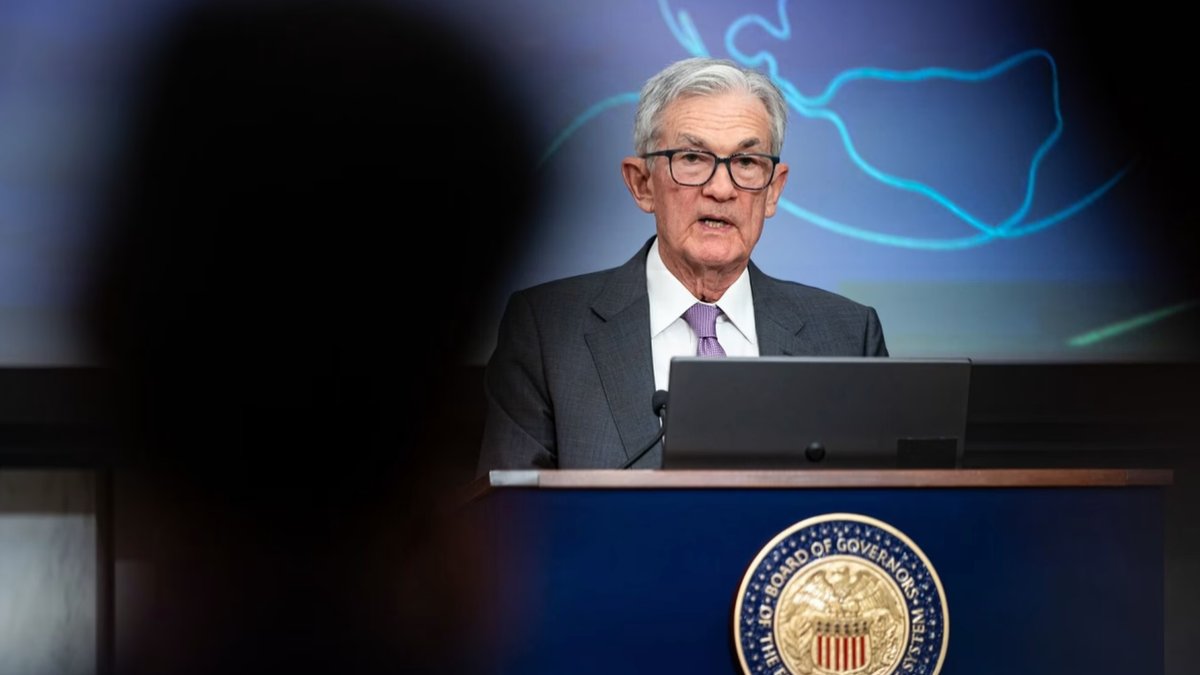
The Federal Reserve will publish minutes from its September 16–17 policy meeting on Wednesday at 18:00 GMT, and the document could offer the cleanest read yet on how officials intend to sequence further easing. The Fed trimmed the target range by 25 bps to 4.00%–4.25% at that gathering, a widely anticipated first step. Yet the debate over pace is live: Governor Stephen Miran favored a larger, 50 bp move, underscoring internal differences about how quickly to lean against cooling labor data and sticky prices.
What We Already Know from September
The decision statement acknowledged slower job gains and described inflation as still “somewhat elevated.” The accompanying Summary of Economic Projections (SEP) pointed to an additional 50 bps of cuts by year-end, followed by a more gradual glide path with 25 bps reductions slated in both 2026 and 2027. In his press conference, Chair Jerome Powell stressed there was no need to rush, while conceding downside risks to employment had increased. He also flagged that tariff-related goods price bumps could nudge inflation higher temporarily, but framed that impulse as a one-off rather than a trend change.
What the Minutes Could Reveal
Markets will parse how deep the rift runs between members prioritizing labor-market slack and those wary of reigniting inflation. Expect a record of arguments on both sides: the easing camp likely cited softer hiring and cooling wage momentum, while the hawkish wing probably pointed to tariff pass-through and still-firm services inflation. Analysts at TD Securities, for instance, have suggested the minutes will highlight a split—some officials comfortable with more cuts this year, others counseling patience given inflation risks. The tone around the speed of follow-up moves—October and December—matters as much as the destination.
Shutdown Overhang: Policy Intent vs. Policy Capacity
The extended federal shutdown freezes much of the government’s machinery, including the timely release of some macro data and the SEC’s and other agencies’ formal rulemaking cadence. For the Fed, missing or delayed inputs complicate the nowcast. Even if the minutes sound open to additional easing, execution could be shaped by data availability in the weeks ahead. Investor positioning may stay tactical until funding negotiations show progress.
Market Pricing and Immediate USD Scenarios
Into the release, rates markets fully price a 25 bp cut in October and assign roughly an 80% probability to another 25 bp in December. If the minutes reinforce a willingness to deliver both, the U.S. dollar (USD) could soften as the front end rallies and rate differentials compress. Conversely, if the discussion hints at greater hesitation—say, conditionality around labor stabilization or inflation persistence—the USD may hold its ground or firm on a repricing of the December odds.
Technical Lens on DXY: Where the Tape Meets the Text
On the daily chart, the Dollar Index trades above its 100-day SMA, which sits near a pivotal 98.20 area. Momentum, via daily RSI, hovers just shy of overbought, around the high-50s/near-60. On strength, watch 99.40 (roughly a 23.6% retracement of the January–July downswing), then the psychological 100.00, and the 200-day SMA near 101.35. If price slips back below 98.20, technicians will look to 97.70 (20-day SMA) as a first shelf, followed by 96.20 and the round 95.00 should downside momentum develop. In other words: the narrative in the minutes could be the catalyst that decides which side of 98.20 sticks.
Cross-Asset Ripples: Equities, Yields, and Crypto
- Equities: A minutes tone that validates sequential cuts typically supports duration-sensitive growth stocks; a more guarded tone could lift yields and pressure high-multiple names.
- Rates: The front end should react most. A dovish lean compresses 2s–5s; a cautious lean re-steepens by cheapening the belly.
- Crypto: Softer USD and lower real yields are historically supportive for risk tokens; a surprise hawkish tilt could keep flows defensive and volatility elevated into the weekend.
Event Timeline and What to Watch
- Wed, 18:00 GMT — Minutes: Look for guidance on the cadence of cuts, references to labor vs. inflation trade-offs, and any discussion of tariffs/near-term price noise.
- Shutdown headlines: Signs of a funding deal could buoy USD on relative growth optimism even if the minutes read dovish.
- Data calendar slippage: With releases like September Nonfarm Payrolls at risk of delay, volatility may cluster around alternative high-frequency indicators.
Playbooks for Different Market Lenses
FX
Dovish minutes: Fade USD pops into resistance (99.40/100.00) against cyclicals; watch EUR/USD and high-beta crosses. Guarded minutes: Respect the 98.20 pivot; a firm close above keeps 100.00/101.35 in view.
Rates
Dovish: Favor receiving the belly on dips; look for 2s5s flatteners. Less dovish: Keep powder dry; belly can cheapen if December odds back off.
Crypto
Dovish/liquidity-friendly: Spot bid tends to outpace perps when funding stretches, so preference for spot-led moves. Less dovish: Expect chop; focus on coins with idiosyncratic catalysts rather than pure beta.
Key Questions the Minutes Should Answer
- Sequencing: Do officials lean toward back-to-back easing (Oct/Dec) or data-dependent spacing?
- Labor vs. inflation: How are members weighting rising slack versus tariff-related price noise?
- Thresholds: Are there explicit triggers—unemployment or inflation prints—that would pause or accelerate cuts?
Bottom Line
The minutes will likely codify a Committee that agrees on direction—easier policy—but remains divided on pace. With one cut done and two more priced for this year, the USD reaction turns on nuance: an open door to sequential easing probably softens the dollar; evident caution could keep it bid. Either way, the longer the shutdown lasts, the less conviction markets will have in extrapolating a neat path from a messy data backdrop.
Disclaimer: Market commentary is for informational purposes only and does not constitute investment advice. Always consider your objectives and risk tolerance before trading.