Ledger’s Data Incident Is a Supply-Chain Lesson, Not a Wallet Lesson: What This Breach Really Changes
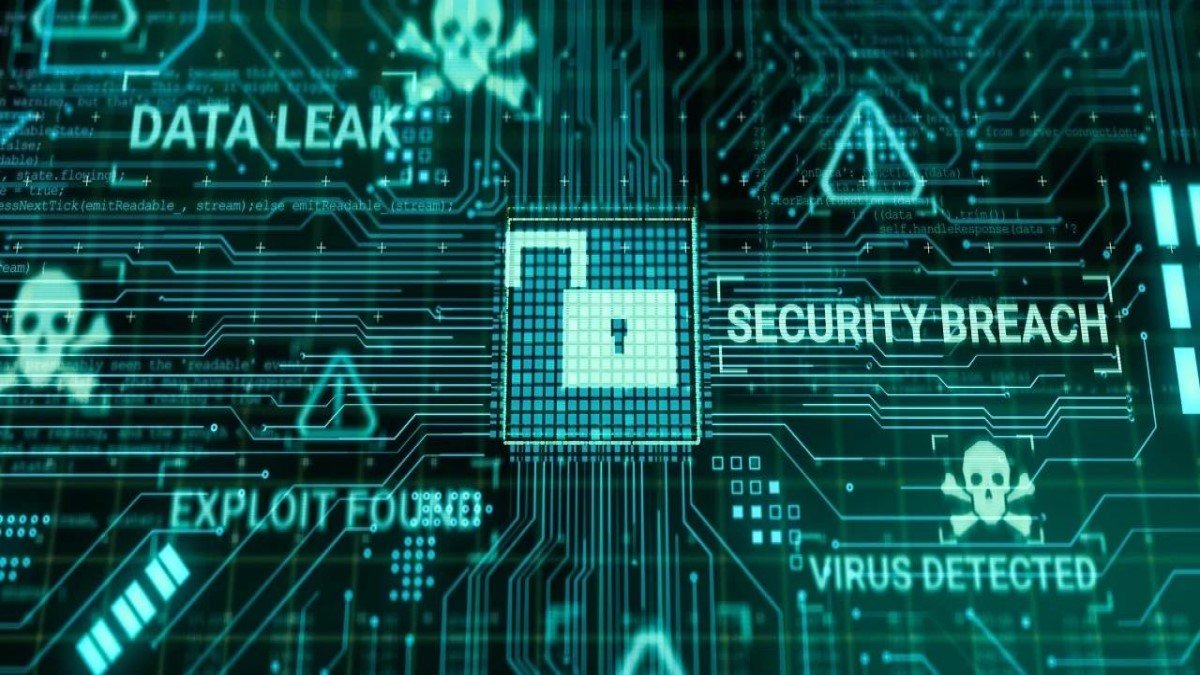
When people hear “Ledger” and “data leak” in the same sentence, the mind jumps to the nightmare scenario: compromised seed phrases, drained wallets, irreversible loss. That reaction is understandable—crypto’s finality trains us to fear the irreversible. But it’s also precisely why incidents like this need careful framing. According to the information provided, the exposure originated from Ledger’s third-party payment and commerce partner Global-e, not from Ledger’s own platform, firmware, or hardware stack. No attacker accessed seed phrases, on-chain balances, or cryptographic secrets. Payment card data was also not exposed.
So why does this still matter? Because it highlights a quieter reality of modern security: the weakest link is often not the vault—it’s the lobby. Hardware wallets may protect keys extremely well, but the user’s identity and contact surface can still be weaponized. In 2026, many crypto losses are less about breaking cryptography and more about bending humans.
1) What reportedly happened—and what did not happen
Based on the incident description:
• The root cause: Global-e detected unauthorized access to a cloud environment, which resulted in the exposure of names and contact information for some Ledger customers. The total number of affected users and the exact timing have not been publicly detailed.
• What Ledger says is safe: Ledger’s platform, hardware devices, and software were not compromised. No party had access to 24-word recovery phrases (seed phrases), private keys, blockchain balances, or other crypto secrets.
• What else is reportedly safe: Payment-card information and payment data were not exposed.
• Who is responsible for notification: Global-e is described as the data controller, meaning Global-e has the primary responsibility to notify affected users and manage incident response communications, while coordinating with Ledger.
• Broader scope: Attackers also accessed order data from other brands using Global-e’s systems, suggesting a multi-merchant incident rather than a Ledger-specific intrusion.
If you are a Ledger user, the key sentence is simple: this is a data exposure, not a hardware wallet hack. That distinction is not cosmetic—it changes which risks are plausible and which actions actually help.
2) The real risk after contact-data exposure: phishing becomes personalized
When contact information leaks, the attacker’s most valuable asset is not your email address—it’s the context attached to it. “This person bought a hardware wallet” is high-quality targeting. It allows scammers to write messages that feel credible because they match your life. And credibility is the currency of phishing.
Here is how the threat model changes:
• Generic phishing becomes tailored phishing. Instead of “Dear user,” you may see your name, a plausible order reference, or “shipping confirmation” language.
• Attackers can time messages around plausible events. A fake “security update,” “order issue,” or “refund confirmation” feels natural after a public incident.
• Attackers can push users toward the one irreversible action that matters: entering their seed phrase. Hardware wallets are designed so that you never share the seed phrase online. Phishing attempts try to trick you into breaking that rule yourself.
In other words, the breach doesn’t give attackers your keys—but it gives them a better script to convince you to hand the keys over.
3) Why third-party breaches are becoming the dominant security story
Ledger’s statement—“not our system”—reflects a broader pattern in tech: products are increasingly built from ecosystems. Checkout providers, cloud systems, marketing platforms, shipping integrators, customer support tooling—these components live outside the core product but sit directly on the user’s data. Over time, the “attack surface” shifts from a single fortress to an extended supply chain.
This matters for crypto because crypto users often do the hardest part right (self-custody, hardware devices), then get exposed through the easiest part (email, SMS, customer-service impersonation). Traditional cybersecurity has a term for this: the attacker goes where the ROI is highest. Breaking modern cryptography is hard. Social engineering is cheaper.
So the deeper lesson is not “Ledger is unsafe.” The lesson is: your security is now partly determined by vendors you didn’t choose. You didn’t personally pick the checkout partner. You didn’t audit the cloud. Yet those systems can influence your risk because they shape what attackers can learn about you.
4) Practical defense: what actually reduces risk right now
In a brand-safe, educational tone, the goal is not fear—it’s procedure. Here’s a simple checklist that maps to how these attacks usually unfold:
1) Treat all “Ledger/Global-e” emails as suspicious by default. Even if they look polished. Attackers can copy logos and language easily. Professional design is not proof.
2) Never share your recovery phrase—ever. No support agent, no “security team,” no “verification form” should request it. Legitimate companies do not need it and should never ask.
3) Do not click links in emails or DMs about “urgent action.” If you must check something, navigate manually to official sources you already trust. The safest click is the one you don’t make.
4) Watch for “order problem” and “refund” lures. These are effective because they trigger a fast emotional response: worry or relief. Attackers use that moment to bypass caution.
5) Consider tightening your contact surface. If you use the same email for high-value accounts and public signups, you may want to separate them over time. This is not urgent, but it’s a resilience upgrade.
6) Upgrade authentication where possible. If your email provider supports stronger MFA methods, use them. Many crypto compromises start with email takeover rather than wallet compromise.
Notice what is not on the list: you do not need to panic-move funds purely because your contact data may have been exposed. If your seed phrase and device security remain intact, the main risk is deception—not cryptographic breach.
5) How to interpret incident communications without getting trapped
Another subtle risk after breaches is “communication confusion.” Users receive multiple messages—some legitimate, some fraudulent—and the volume itself becomes overwhelming. The attacker’s advantage is not only deception; it’s noise.
A useful mindset is to separate information from instruction:
• Information tells you what happened. You can read it calmly.
• Instruction tells you to do something right now. This is where phishing lives.
Legitimate breach notifications often advise heightened vigilance. Phishing messages demand immediate action: “Verify,” “reconnect wallet,” “validate seed phrase,” “claim compensation,” “confirm address,” “avoid suspension.” The more urgent the command, the more skeptical you should become.
6) The bigger implication: the next security frontier is identity, not keys
Crypto started with a premise: protect the private key. That remains true. But as the ecosystem professionalizes, a second premise becomes equally important: protect the user’s identity surface. Identity exposure doesn’t break cryptography, but it can break behavior.
This is why the most realistic long-term security improvements won’t come only from better wallets. They’ll come from better default operational practices: data minimization, compartmentalized emails, safer customer support flows, stronger anti-phishing education, and tighter vendor risk management.
In a sense, this incident is a reminder that crypto is growing up. A mature financial system isn’t attacked only at the vault; it’s attacked through invoices, customer records, and administrative access. The good news is that these attacks can be mitigated with boring discipline. The bad news is that boring discipline is not as emotionally satisfying as “buy a better device.”
Conclusion
Ledger’s incident—attributed to third-party partner Global-e—does not appear to compromise seed phrases, wallet hardware, or cryptographic secrets. But it does matter because it shifts the risk from “wallet hack” to “identity-driven phishing.” This is the supply-chain reality of modern crypto: your security depends not only on key management, but also on the vendors that touch your personal data before you ever open the box.
The best response is calm and procedural: assume scammers will exploit the moment, tighten your verification habits, and remember the one rule that remains undefeated—never share your recovery phrase.
Frequently Asked Questions
Were seed phrases or private keys exposed?
No, based on the incident description provided. Ledger states that no one had access to 24-word recovery phrases, private keys, blockchain balances, or crypto secrets.
Was payment card information exposed?
According to the details provided, payment card data and payment information were not exposed.
What should users do immediately?
Be cautious with emails and messages that reference Ledger or Global-e, avoid clicking links, and never share seed phrases. The main risk after contact-data exposure is targeted phishing.
Why is Global-e communicating with users?
Global-e is described as the data controller in this incident, meaning it has primary responsibility for user notification and incident communication, while coordinating with Ledger.
Disclaimer: This article is for educational purposes only and does not constitute financial, legal, or cybersecurity advice. Security situations can evolve as investigations progress. Always rely on official communications from verified channels, and follow best practices for account and device security.