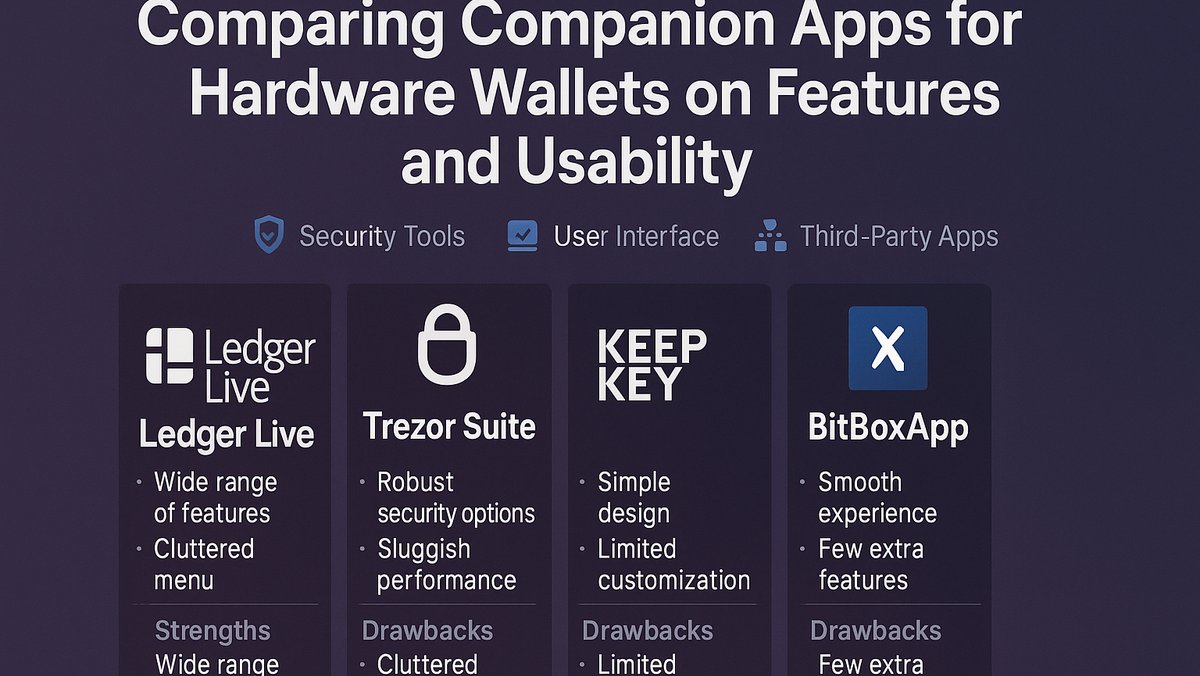
Hardware Wallet Companion Apps: Securing and Managing Your Digital Assets
As cryptocurrency adoption continues to rise, securing digital assets has never been more important. Hardware wallets remain the gold standard for offline storage, protecting private keys from online threats. However, managing these wallets has been made easier with companion apps. These apps bridge the gap between offline security and online usability, offering features that simplify transactions, portfolio tracking, and integration with decentralized applications (dApps).
What Are Hardware Wallet Companion Apps?
Hardware wallet companion apps are mobile or desktop applications designed to work with physical wallets like Ledger, Trezor, and Keystone. They allow users to view balances, initiate transfers, and manage assets without exposing sensitive keys to the internet. Instead, the app communicates with the hardware wallet, which signs transactions offline before broadcasting them to the blockchain.
Top Hardware Wallet Companion Apps
1. Ledger Live
Ledger Live is the official app for Ledger hardware wallets. It supports a wide range of cryptocurrencies, staking, and DeFi integration. Its clean interface makes it suitable for both beginners and advanced users. Additional features include portfolio tracking and compatibility with Ledger's Nano X Bluetooth wallet.
2. Trezor Suite
Trezor Suite combines usability with advanced security. It supports Bitcoin, Ethereum, ERC-20 tokens, and other assets. Its desktop-first design prioritizes transparency and includes privacy features like Tor integration. Users can also customize transaction fees for greater control.
3. Keystone Companion App
The Keystone app offers QR code-based transactions for air-gapped signing, minimizing attack vectors. It supports multi-chain compatibility and is popular among DeFi users. With a focus on usability, the app allows seamless portfolio management across different blockchains.
4. SafePal App
SafePal provides both software and hardware wallet solutions, with its app serving as a gateway to decentralized exchanges (DEXs), token swaps, and staking. It is particularly appealing for users who want mobile-friendly access to DeFi services.
Key Features and Benefits
- Secure Transaction Signing: Private keys remain within the hardware wallet, reducing conducting a security breach risks.
- Multi-Chain Support: Many apps support assets across Ethereum, Bitcoin, Binance Smart Chain, and other blockchains.
- dApp Integration: Companion apps often connect with Web3 wallets like MetaMask, enabling participation in DeFi and NFT marketplaces.
- Portfolio Management: Real-time balance tracking and performance insights across multiple assets.
- Staking and Governance: Some apps let users stake tokens and participate in protocol governance directly.
Risks and Considerations
While hardware wallet companion apps improve convenience, they also introduce potential risks. Users should download apps only from official sources to avoid deceptive credential-stealing scheme attacks. Additionally, mobile apps may be less secure than desktop versions if the device itself is compromised. Connectivity issues, firmware mismatches, or lack of support for new tokens can also cause frustration. As always, keeping hardware wallet firmware and companion apps updated is essential for maintaining security.
Future Outlook
As DeFi and multi-chain ecosystems expand, companion apps are expected to integrate deeper with decentralized protocols. We may see more features like in-app NFT galleries, cross-chain swaps, and institutional-grade reporting tools. With increasing regulatory oversight, these apps could also begin offering tax reporting and compliance features, making them even more critical for mainstream adoption.
Conclusion
Hardware wallet companion apps play a vital role in making secure crypto management accessible. They combine offline protection with the flexibility of online features, empowering users to stay safe without sacrificing convenience. Whether you’re a casual investor or a DeFi enthusiast, choosing the right companion app ensures you get the most out of your hardware wallet.
Further Reading and Resources
Best Crypto Apps | Signals | Crypto
Frequently Asked Questions
What are hardware wallet companion apps? They are applications that allow users to manage crypto assets securely by connecting to hardware wallets.
Are these apps safe? Yes, when used correctly. Private keys remain in the hardware wallet, but users must ensure apps are downloaded from official sources.
Do they support multiple blockchains? Most major companion apps now support Bitcoin, Ethereum, Binance Smart Chain, and more.
Can I use them for DeFi? Yes, many companion apps integrate with dApps, allowing access to staking, swapping, and NFT markets.
Which app is best for beginners? Ledger Live and Trezor Suite are widely considered beginner-friendly while maintaining strong security.