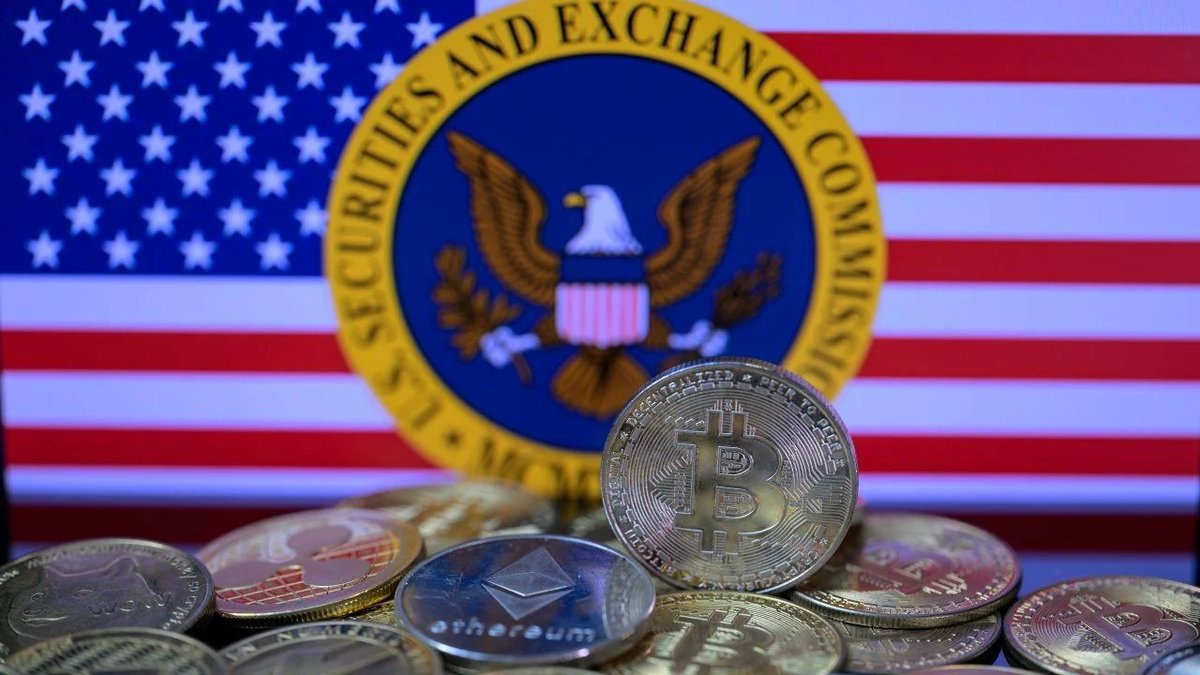
How SEC Regulations Are Shaping Stablecoin Development

2025-09-21

Written by:David Lee
How SEC Regulations Are Shaping Stablecoin Development
⚠ Risk Disclaimer: All information provided on FinNews247, including market analysis, data, opinions and reviews, is for informational and educational purposes only and should not be considered financial, investment, legal or tax advice. The crypto and financial markets are highly volatile and you can lose some or all of your capital. Nothing on this site constitutes a recommendation to buy, sell or hold any asset, or to follow any particular strategy. Always conduct your own research and, where appropriate, consult a qualified professional before making investment decisions. FinNews247 and its contributors are not responsible for any losses or actions taken based on the information provided on this website.

Stablecoins have become the backbone of the crypto ecosystem, serving as a bridge between traditional finance and digital assets. However, the SEC’s growing scrutiny of stablecoin issuers is reshaping how these assets are created, backed, and used by investors worldwide.

The Role of Stablecoins in Crypto

Stablecoins like USDT, USDC, and DAI provide a critical function: stability. By pegging their value to fiat currencies, they reduce volatility and allow investors to move funds across exchanges quickly. This has made them indispensable for trading, DeFi, and cross-border transactions.

SEC’s Regulatory Approach

The SEC views certain stablecoins as potentially unregistered securities, particularly if they promise returns or are backed by investment contracts. The agency has also expressed concerns about reserve transparency and whether issuers maintain sufficient collateral to guarantee stability.

Key Areas of Concern

  • Transparency: Are issuers providing real-time audits of reserves?
  • Investor Protection: What happens if reserves are insufficient during a crisis?
  • Systemic Risk: Could a stablecoin collapse trigger wider financial instability?

Impact on Stablecoin Issuers

Increased SEC oversight has prompted issuers to adopt stricter compliance practices. For instance, Circle (USDC) now publishes regular attestations of its reserves, while others face pressure to improve governance and disclosures.

Global Implications

While the SEC’s jurisdiction covers the U.S., its actions influence global policy. Countries like the EU have responded with frameworks such as MiCA (Markets in Crypto-Assets), which sets standards for stablecoin issuers in Europe.

Risks for Investors

  • Regulatory actions could limit stablecoin availability in the U.S.
  • Issuers may face fines, lawsuits, or restrictions on operations.
  • Volatility in stablecoin markets could affect liquidity across the entire crypto ecosystem.

Future of Stablecoin Development

Despite challenges, the outlook for stablecoins remains strong. Institutional adoption, central bank digital currencies (CBDCs), and the rise of algorithmic models all point to ongoing innovation. However, compliance will be critical for survival.

Further Reading

Market | Altcoins | Signals

Frequently Asked Questions

Why is the SEC concerned about stablecoins? The SEC worries about whether issuers have sufficient reserves and whether some stablecoins qualify as unregistered securities.

Will stablecoins be banned in the U.S.? A complete ban is unlikely, but stricter regulations and disclosures are expected.

How should investors prepare? Stick with stablecoins backed by transparent reserves and keep an eye on regulatory updates.

Are stablecoins safe for long-term holding? They are designed for stability, but risks remain if issuers fail to manage reserves responsibly.
More from Altcoin Analysis

View all
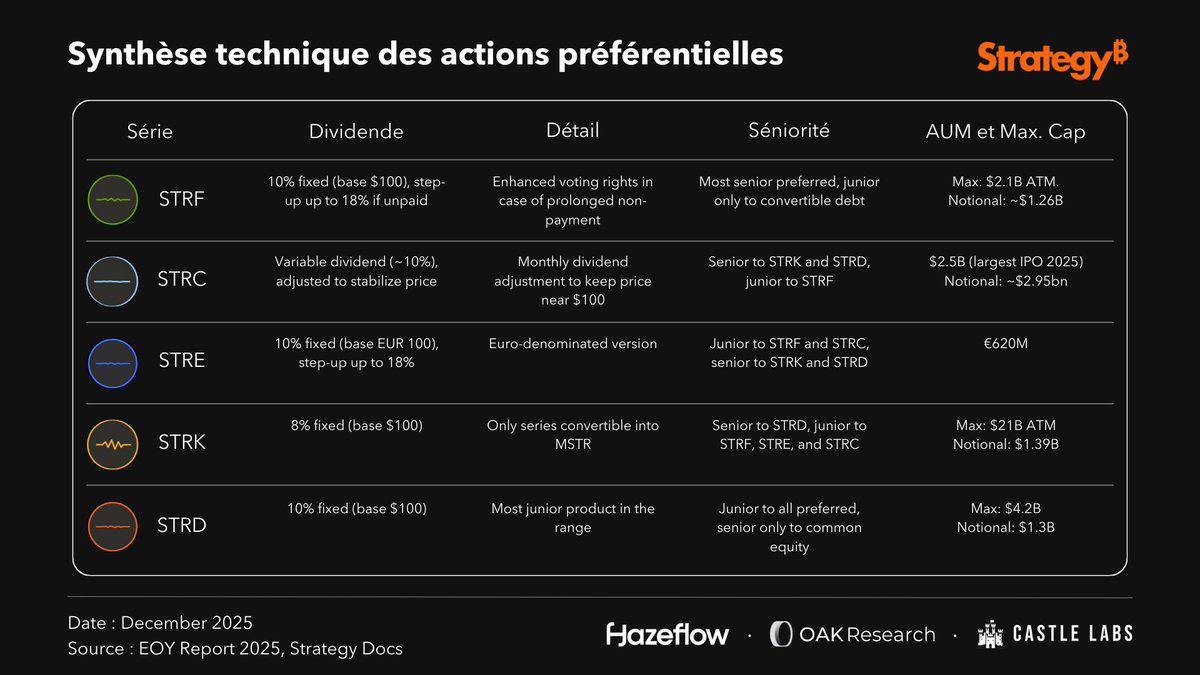
Strategy’s Pivot: How Perpetual Preferred Shares Turn a Bitcoin Treasury Into a Yield Factory

Strategy is no longer “just borrowing to buy Bitcoin.” By issuing perpetual preferred shares across multiple series, it is building a capital-markets machine that manufactures yield products on top of a Bitcoin balance sheet—without the classic matur

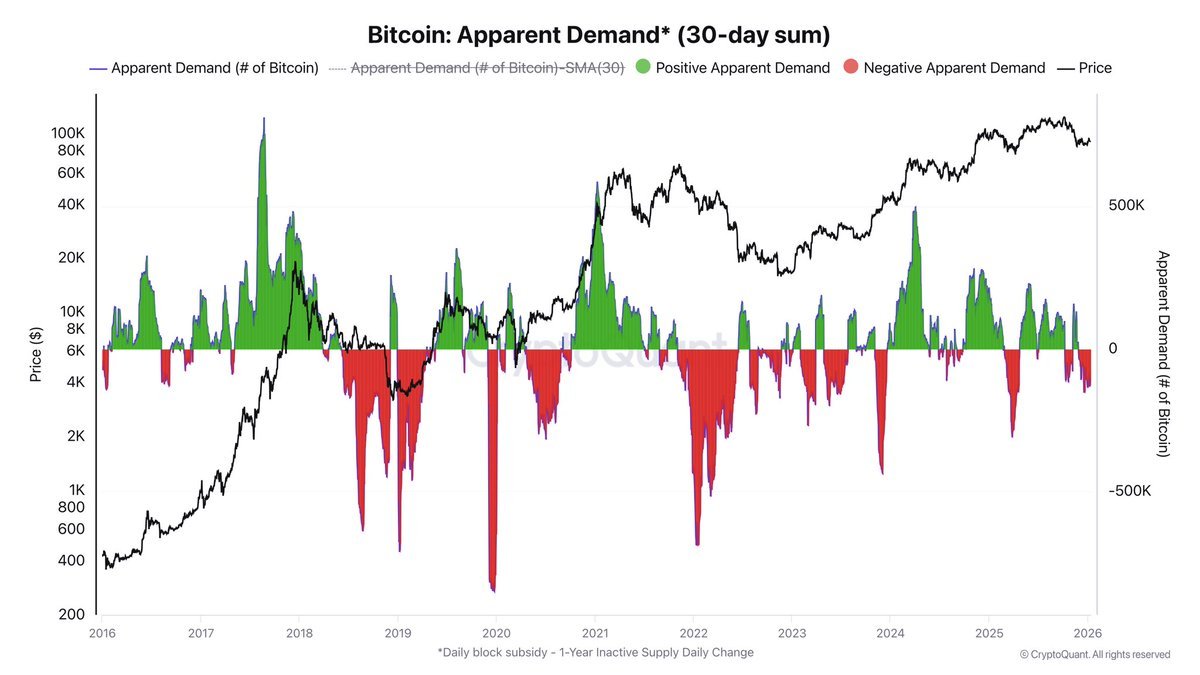
Bitcoin’s Apparent Demand Turns Deeply Negative: A Warning Signal—And a Test of the New Market Structure

On-chain ‘apparent demand’ has slipped to roughly -106,000 BTC on a 30-day sum, suggesting weakening net absorption. But in a market shaped by ETFs, derivatives, and fragmented liquidity, negative demand is less a prediction than a map of where risk—

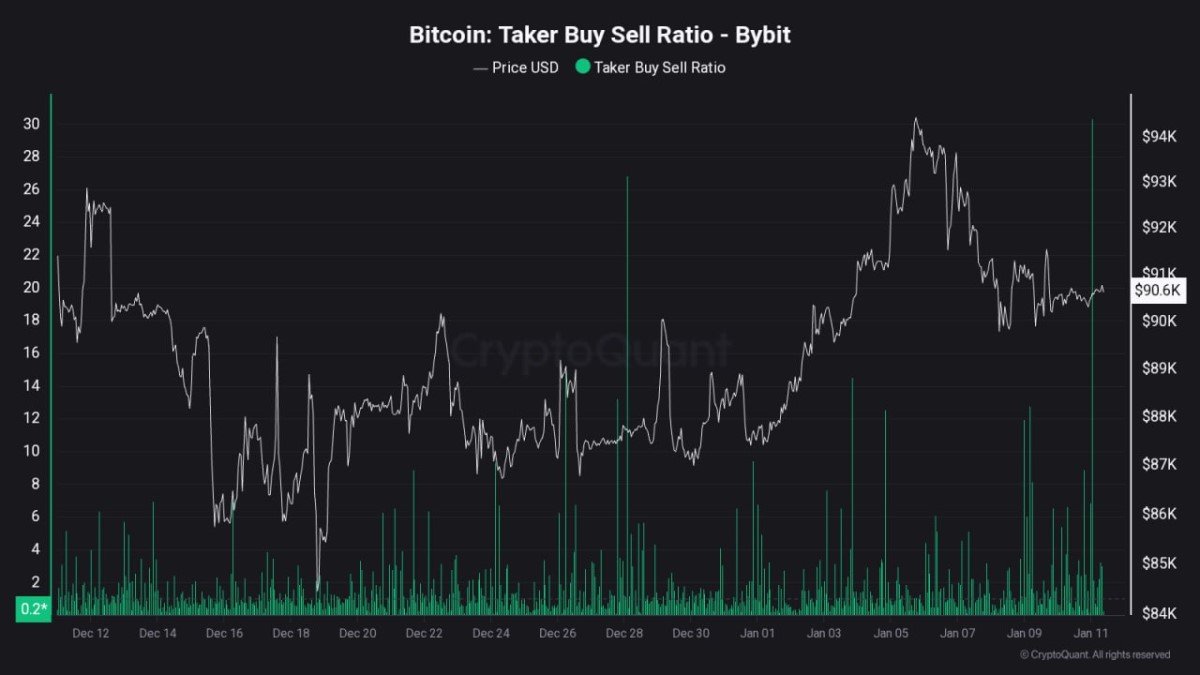
A 30x Taker Buy/Sell Spike on Bybit Doesn’t Just Mean ‘Bullish’—It Reveals Who’s Being Forced to Pay Up

Bybit’s Bitcoin taker buy/sell ratio reportedly hit ~30.33—an extreme reading that signals aggressive market buys dominating execution. But a spike like this can mean three very different things: new longs entering, shorts being forced out, or hedged

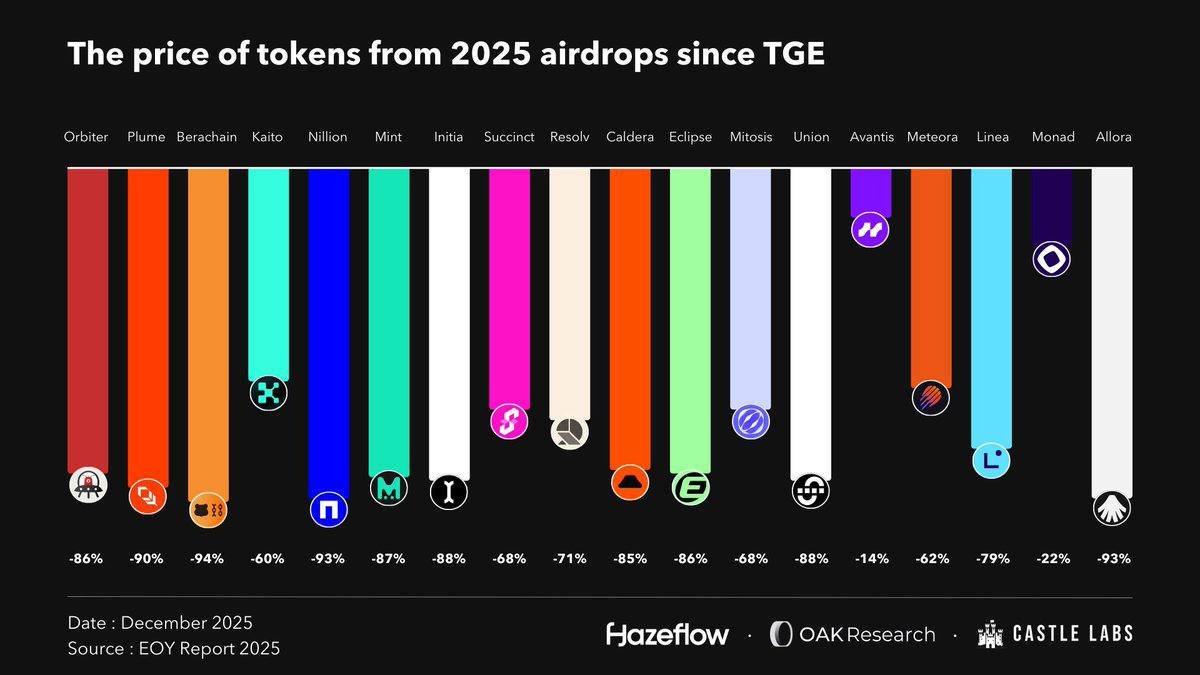
2026 and the Extinction Era of Worthless Tokens: What 2025 Airdrops Taught the Market

In 2025, the market stopped treating token launches as celebrations and started treating them as risk events. With major airdrop tokens down heavily since TGE, 2026 is shaping up to be an extinction era—where only protocols with real revenue, real us

How Big Can the Stablecoin Pie Really Get by 2030?

Stablecoin payments reportedly reached $2.9T in 2025, and forecasts cited by Bloomberg suggest a path toward $56.6T by 2030. The real question isn’t whether stablecoins grow—it’s which “jobs” they replace, and what must be true for the internet’s dol

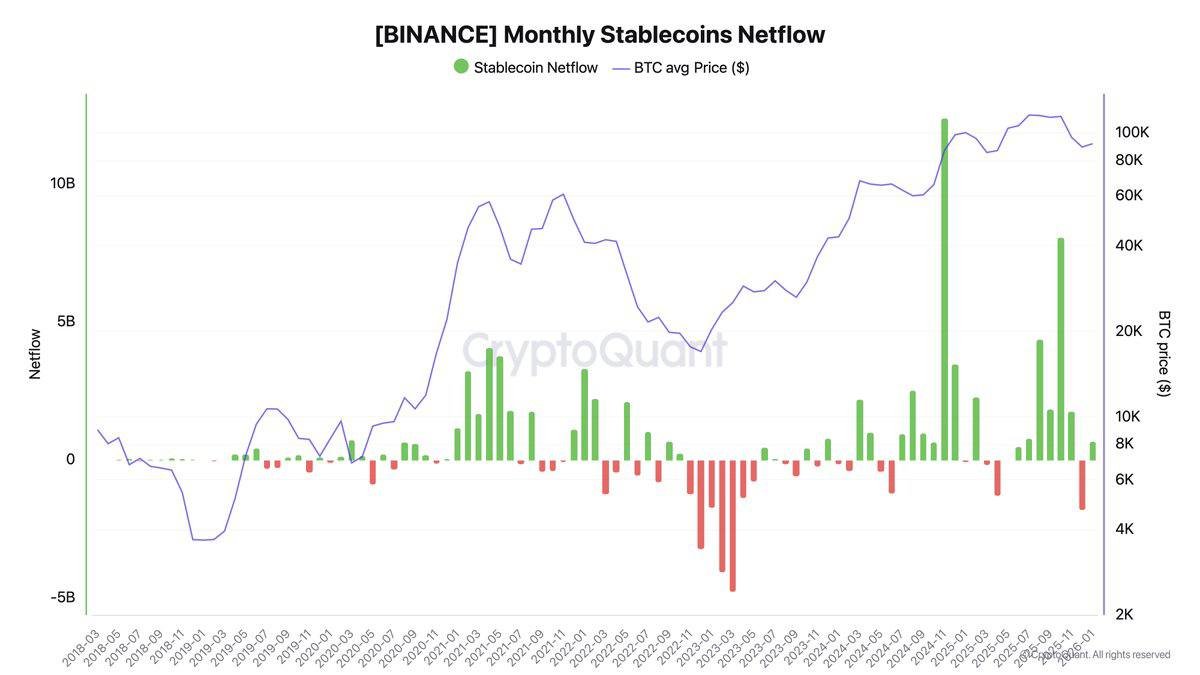
Binance Sees $670M Stablecoin Net Inflow After a Weak December: Why “Dry Powder” Is Real—But Not a Buy Button

After December showed roughly $1.8B in stablecoin net outflows from Binance, early January flipped positive with more than $670M net inflow in a single week. That looks like returning buying power—but the deeper story is how stablecoins move through