
Record $19B Crypto Liquidations in 24 Hours — What Really Happened on Oct 10–11?

2025-10-10

Written by:Avery Grant
Record $19B Crypto Liquidations in 24 Hours — What Really Happened on Oct 10–11?
⚠ Risk Disclaimer: All information provided on FinNews247, including market analysis, data, opinions and reviews, is for informational and educational purposes only and should not be considered financial, investment, legal or tax advice. The crypto and financial markets are highly volatile and you can lose some or all of your capital. Nothing on this site constitutes a recommendation to buy, sell or hold any asset, or to follow any particular strategy. Always conduct your own research and, where appropriate, consult a qualified professional before making investment decisions. FinNews247 and its contributors are not responsible for any losses or actions taken based on the information provided on this website.

In the 24 hours spanning Oct 10 (UTC), crypto endured the largest single-day liquidation in history: roughly $19B in positions wiped and ~1.6M traders forced out, as tariff threats against China triggered a swift, cross-asset risk-off swing

Crypto derivatives just suffered a historic reset. Across major venues, about $19 billion in leveraged positions was liquidated within a single day — the largest on record — with an estimated ~1.6 million accounts affected. Several desks logged a first-hour cascade in the $3–7B range, underscoring how quickly margin calls can snowball when liquidity thins.

The spark: tariff shock and a scrapped summit

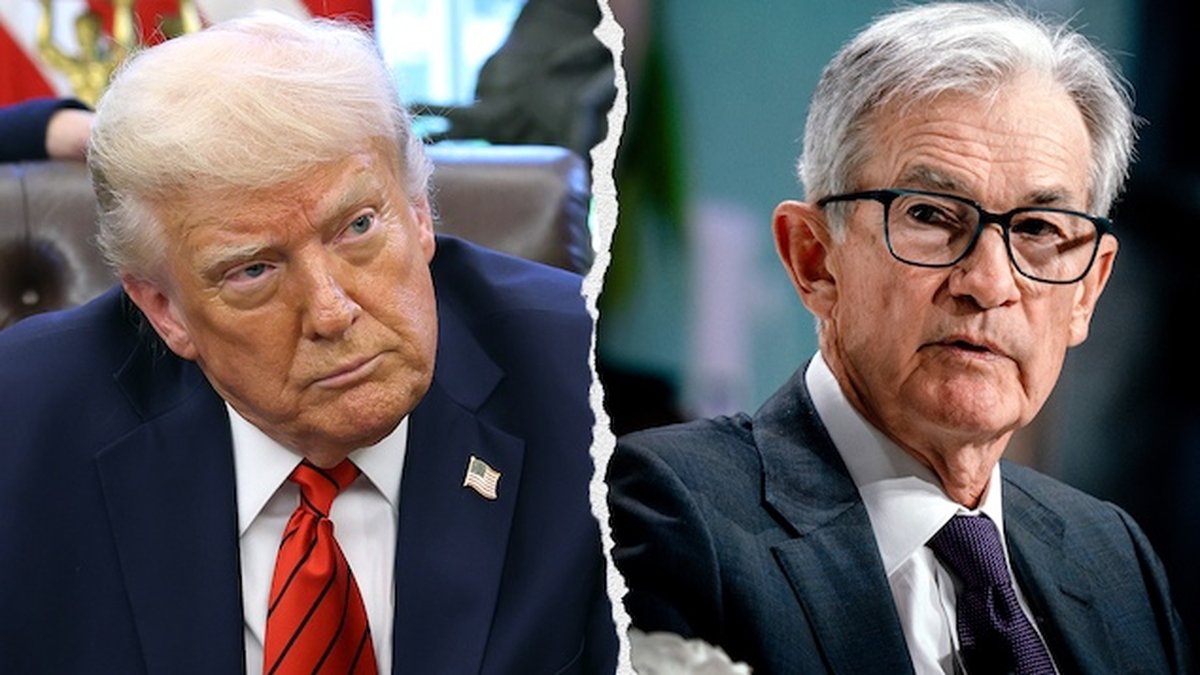
The wipeout followed a sharp escalation in U.S.–China tensions. President Donald Trump threatened a “massive” hike in tariffs on Chinese imports and indicated there was no reason to proceed with an upcoming meeting with President Xi — rhetoric delivered as Beijing tightened export controls on rare earths. Risk assets recoiled, volatility spiked, and crypto sold off in lockstep with equities.

By the numbers: why this one was the biggest

  • Total liquidations (24h):$19B, a new all-time record for the asset class.
  • Traders affected:1.6M accounts closed out across exchanges.
  • Open interest reset:$9.5–10B in OI erased alongside the liquidation wave.
  • Data source of record: Aggregators (e.g., CoinGlass) corroborated the magnitude and cadence of the flush.

Price action and microstructure

Bitcoin (BTC) slid to an intraday low near $104,800 before stabilizing, while Ether (ETH) dropped into the low $3,600s. With books thin and basis compressing, forced long unwinds accelerated — funding flipped negative, spreads widened, and liquidations beget more liquidations.

Why it unraveled so fast

  1. Positioning was crowded: BTC had set fresh highs earlier in the week, leaving longs vulnerable to a macro headline.
  2. Headline risk was binary: Tariff threats and a canceled leader-level meeting revived trade-war playbooks (flight to safety, sell beta).
  3. Liquidity stepped back: As volatility popped, some market makers reduced size, amplifying slippage and cascades.

What to watch next (next 48–72 hours)

  • Policy tape: Any executive action detailing tariff size, scope, and timing, plus signals of Chinese retaliation on rare earths.
  • Cross-asset tells: Equity breadth, semiconductors, EM FX, and the dollar path; sustained stress there typically caps crypto beta.
  • Derivatives health: Liquidation prints and OI rebuild; another multi-billion flush without macro relief would argue for patience.

Scenarios

  1. Formal escalation: A concrete tariff docket or broader export limits keep risk premia elevated; crypto underperforms until clarity arrives.
  2. De-escalation via back channels: Cooler rhetoric and no new measures invite mean reversion; ranges rebuild as funding normalizes.
  3. Staggered uncertainty: Mixed messages keep chop in play; watch funding, basis, and stablecoin flow for early direction.

Bottom line

Oct 10–11 delivered the largest single-day liquidation event in crypto’s history — ≈$19B wiped and ~1.6M accounts closed — catalyzed by tariff brinkmanship and a scrapped Trump–Xi meeting. The move was macro-led, not an on-chain failure. With leverage partly flushed, two-way volatility is likely as traders watch Washington–Beijing headlines and the OI rebuild. Respect the new ranges; separate forced flow from conviction flow.
Further Reading and Resources

Altcoin Analysis | Exchanges | Apps & Wallets

More from Crypto & Market

View all
South Korea Re-Opens the Corporate Door to Crypto: Why the Guardrails Matter More Than the Headline

South Korea’s corporate crypto thaw is less about a bullish headline and more about market plumbing: guardrails, custody, compliance, and how a retail-driven venue learns to absorb process-driven capital. The most durable impact will show up in liqui

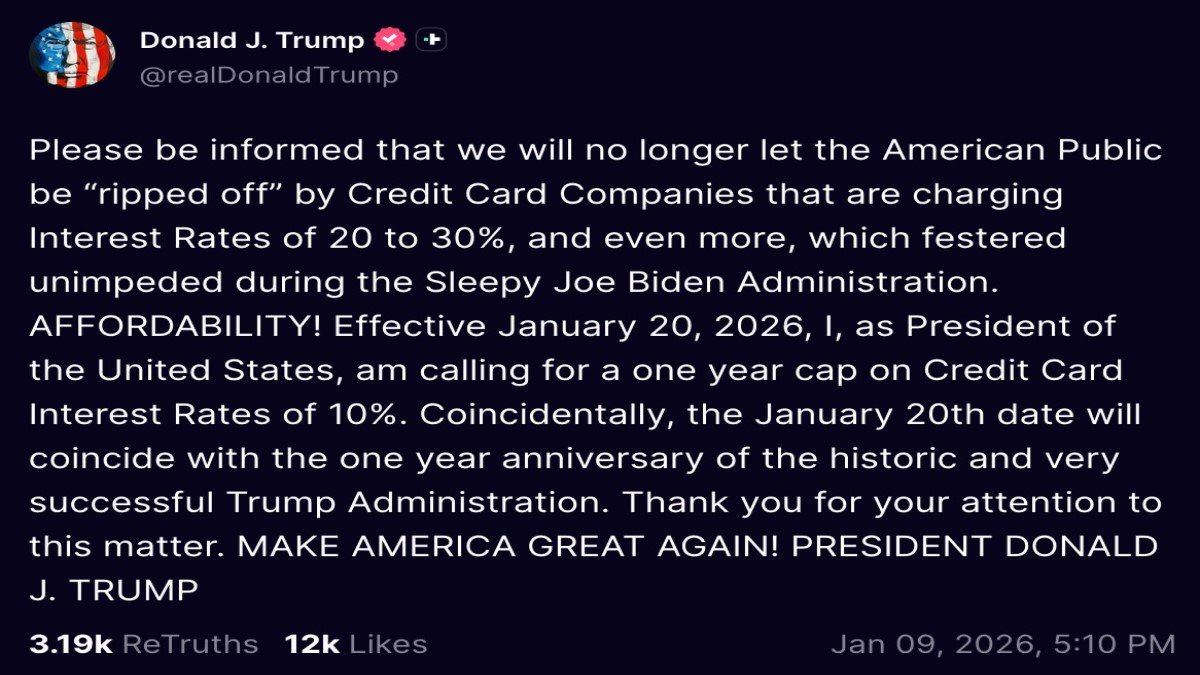
The 10% Credit Card APR Cap Debate: Consumer Protection, Credit Rationing, and the Hidden Cost of “Affordable” Money

A proposed 10% cap on credit card interest rates frames a classic policy tradeoff: reduce household burden today, or risk shrinking access to unsecured credit—especially for high-risk and low-income borrowers. The real question isn’t whether 20%–30%

When Compliance Becomes an Attack Surface: France’s Crypto Safety Problem Isn’t On-Chain

As crypto integrates into mainstream finance, the biggest risk shifts from private keys to identity databases. France’s recent incidents expose a new kind of vulnerability: compliance itself.

Crypto’s Real 2026 Battleground: Market Plumbing, Not Narratives

The last 24 hours didn’t just move prices—it exposed where crypto’s center of gravity is shifting: from hype cycles to infrastructure, legality, and the plumbing that routes real money.

a16z’s $15B Signal and the New Defense‑Tech Cycle: When Venture Capital Starts Pricing Geopolitics

Andreessen Horowitz’s reported $15B raise isn’t just a big number—it’s a clue about what kind of risk capital wants in 2026: infrastructure, AI capability, and security-adjacent cash flows shaped by policy.

Crypto Is Quietly Becoming a Real Estate Rail in Europe — Not Because Banks Are Bad, but Because Settlement Is Broken

Wealthy buyers are increasingly using crypto to purchase property across Europe via intermediaries like Brighty. The story isn’t “crypto replaces banks”—it’s that crypto offers faster settlement and a new way to prove source-of-funds when traditional