Global Bond Yields Decline as Investors Shift to Safety

2025-09-17

Written by:Marcus Lee
Global Bond Yields Decline as Investors Shift to Safety
⚠ Risk Disclaimer: All information provided on FinNews247, including market analysis, data, opinions and reviews, is for informational and educational purposes only and should not be considered financial, investment, legal or tax advice. The crypto and financial markets are highly volatile and you can lose some or all of your capital. Nothing on this site constitutes a recommendation to buy, sell or hold any asset, or to follow any particular strategy. Always conduct your own research and, where appropriate, consult a qualified professional before making investment decisions. FinNews247 and its contributors are not responsible for any losses or actions taken based on the information provided on this website.

Global Bond Yields Decline as Investors Flock to Safe Havens

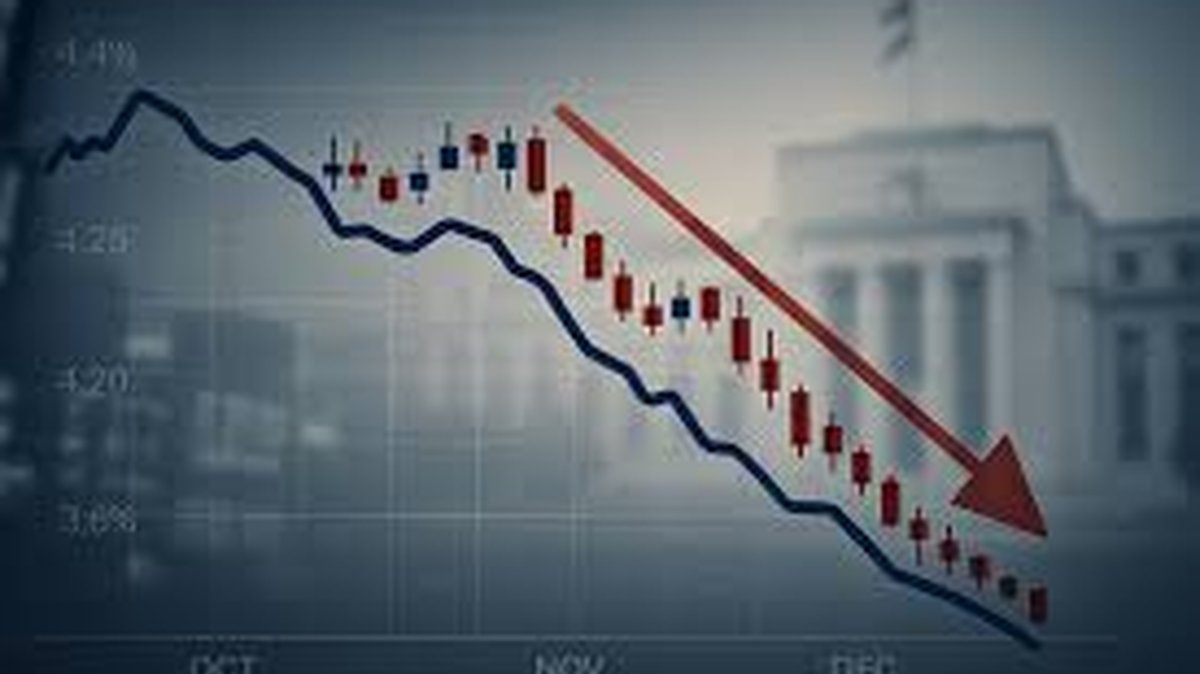
Global bond markets rallied on Thursday, driving yields lower as investors sought refuge in government securities amid mounting economic uncertainty. The move came after a string of weaker U.S. economic data and renewed concerns over slowing global trade, fueling a flight to safety across major financial centers.

Weaker Data Sparks Demand for Sovereign Debt

In the U.S., Treasury yields declined across the curve, with the benchmark 10-year note falling several basis points. Similar moves were seen in Germany’s Bunds and Japan’s Government Bonds (JGBs), as investors priced in a higher probability of future monetary easing. Analysts said the shift underscores rising caution among market participants who view sovereign debt as a hedge against potential downturns.

Economic Uncertainty and Trade Slowdown

The decline in yields followed data showing sluggish manufacturing activity and softening consumer sentiment in major economies. At the same time, global trade flows have weakened due to persistent supply chain bottlenecks and waning demand from key markets. Economists warned that the combination of these factors could signal a deeper slowdown in the second half of 2025.

Investor Sentiment Turns Defensive

While equity markets remained relatively stable, bond traders moved quickly to lock in yields before potential policy shifts. “The market is clearly positioning for a more cautious growth outlook,” said one strategist at a London-based investment firm. “With inflation trending lower and growth risks rising, bonds are back in favor as a defensive asset.”

Central Banks Face Renewed Pressure

Market expectations for monetary easing have strengthened. Investors now anticipate that the Federal Reserve, European Central Bank, and Bank of Japan may adopt a more accommodative stance if data continues to soften. Analysts suggested that further deterioration in growth indicators could accelerate the timing of policy adjustments.

Global Market Implications

The rally in bonds has broader implications for asset allocation and currency markets. Lower yields tend to support equities with strong dividend profiles and reduce borrowing costs for corporations. However, they can also signal rising concerns about future earnings and economic resilience, prompting a cautious tone among global investors.

Conclusion: A Flight to Quality in Uncertain Times

The latest bond rally reflects a renewed flight to quality as investors navigate a complex macroeconomic landscape. With geopolitical tensions, uneven inflation progress, and slowing trade weighing on sentiment, sovereign bonds have regained their role as a key safe-haven asset. Market observers expect yield volatility to persist as central banks weigh the balance between inflation control and growth stability.

More from Crypto & Market

View all
South Korea Re-Opens the Corporate Door to Crypto: Why the Guardrails Matter More Than the Headline

South Korea’s corporate crypto thaw is less about a bullish headline and more about market plumbing: guardrails, custody, compliance, and how a retail-driven venue learns to absorb process-driven capital. The most durable impact will show up in liqui

The 10% Credit Card APR Cap Debate: Consumer Protection, Credit Rationing, and the Hidden Cost of “Affordable” Money

A proposed 10% cap on credit card interest rates frames a classic policy tradeoff: reduce household burden today, or risk shrinking access to unsecured credit—especially for high-risk and low-income borrowers. The real question isn’t whether 20%–30%

When Compliance Becomes an Attack Surface: France’s Crypto Safety Problem Isn’t On-Chain

As crypto integrates into mainstream finance, the biggest risk shifts from private keys to identity databases. France’s recent incidents expose a new kind of vulnerability: compliance itself.

Crypto’s Real 2026 Battleground: Market Plumbing, Not Narratives

The last 24 hours didn’t just move prices—it exposed where crypto’s center of gravity is shifting: from hype cycles to infrastructure, legality, and the plumbing that routes real money.

a16z’s $15B Signal and the New Defense‑Tech Cycle: When Venture Capital Starts Pricing Geopolitics

Andreessen Horowitz’s reported $15B raise isn’t just a big number—it’s a clue about what kind of risk capital wants in 2026: infrastructure, AI capability, and security-adjacent cash flows shaped by policy.

Crypto Is Quietly Becoming a Real Estate Rail in Europe — Not Because Banks Are Bad, but Because Settlement Is Broken

Wealthy buyers are increasingly using crypto to purchase property across Europe via intermediaries like Brighty. The story isn’t “crypto replaces banks”—it’s that crypto offers faster settlement and a new way to prove source-of-funds when traditional